A few years ago, artificial intelligence (AI) shifted from being the domain of a handful of experts to becoming a technology deeply embedded in our daily conversations. While it brings remarkable advances, especially in scientific research, have we underestimated its impact on creativity and employment, in favor of convenience?
AI’s value in scientific research
Let’s take a step back. Artificial intelligence is an incredible tool with real benefits for society. Two examples come to mind: medical research and nature conservation.
In medicine, AI plays a key role in cancer detection. According to a Harvard study, AI can identify tumors with 94% accuracy by analyzing thousands of medical images. Thanks to these advances, it can predict survival rates and suggest personalized treatments, significantly improving diagnosis and patient care. Other AI tools can detect anomalies, which might be breast cancer, years before a human doctor might spot them. Another study also shows that AI can help design personalized treatments tailored to each individual and type of cancer, leading to the best possible outcome.
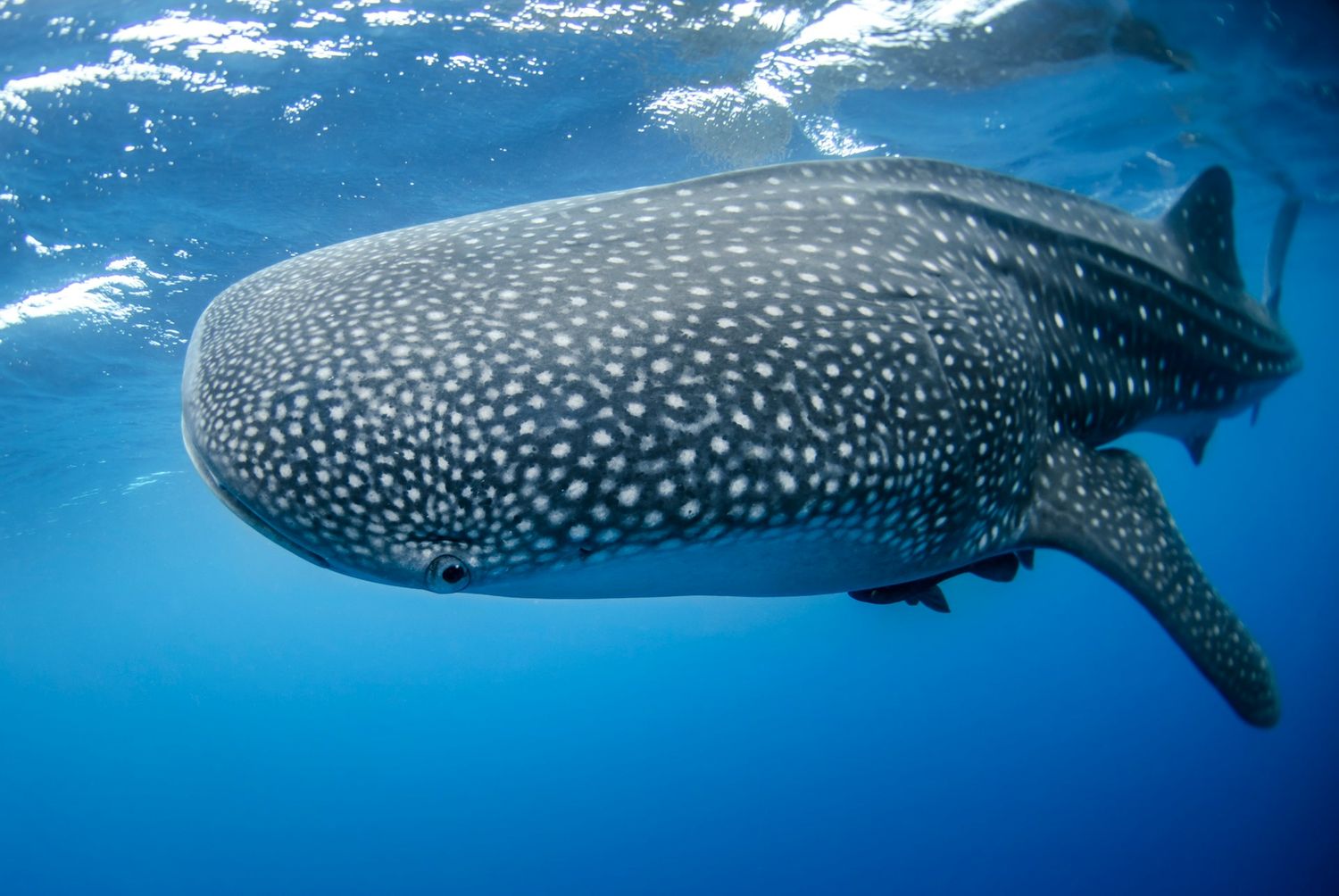
In wildlife conservation, AI is helping biologists detect and identify animals. According to Whaleseeker, this tool uses aerial images and cameras to spot marine mammals 97% faster than humans can manually count them. It’s a fascinating step forward for research and the protection of vulnerable populations. Similarly, Sharkbook identifies whale sharks by recognizing their unique body patterns, allowing researchers to track individual animals and study their migration routes.
These breakthroughs show AI’s enormous potential to transform critical fields like healthcare and conservation. Yet its rapid development also raises essential questions: how do we ensure AI remains ethical, well-regulated, and beneficial to society as a whole?
The creative world at risk
AI is an extraordinary tool that can change lives. But creators worldwide are now facing the hidden danger of its rapid democratization. ChatGPT, for example, is no longer a secret: it can draft long texts, help brainstorm, generate images, or even code complex software.
While these tools undeniably make life easier, there is a real danger lurking beneath the surface. Many people are losing jobs because AI can do certain tasks faster and without a salary.
Veo 3 by Google is equally concerning, as it can create increasingly convincing videos. In a time when some people already question traditional media, we may soon face the unsettling challenge of telling what is real from what is a deepfake online.
Music is also affected: you can now find entire tracks on YouTube and other streaming platforms created entirely by AI. The voices, the instruments—all synthetic yet so realistic. But can an algorithm truly replace an artist who spends years refining their craft? A performer sings with their own sensitivity—something no AI can fully replicate.
All this convenience lets us do much more than before, but often without truly understanding what we create. For instance, someone might generate an essay or compose music with AI, but without practicing writing or playing guitar themselves, can they really call themselves experts? These specializations risk disappearing. But can human skill and experience ever truly be replaced by a machine?
The beauty of imperfection
AI helps us create faster and with near-perfect accuracy. But if everything becomes flawless, where does that leave the soul of human creation?
Pouring ourselves into our work—our strengths and weaknesses alike—is what makes it authentic. Mistakes are part of being human, and we should make peace with that. Society often seeks perfection, yet realistically, it’s unattainable. There will always be something “more perfect” than what came before.
A photographer scouts locations, waits for the right light, and captures a unique moment in time. A painter doubts, corrects, and evolves with each brushstroke, creating an artwork infused with emotion. AI, by contrast, follows pre-set rules. It feels nothing and cannot weigh an artistic choice the way a human does.
To conclude, AI is a valuable tool in very specific contexts. Scientific research can move forward faster, making better use of human resources. Yet it’s important to fully grasp the impact AI may have on human creativity. Using convenience to create means our minds don’t learn and develop their own skills.
For example, I used AI (ChatGPT) to refine my texts, only to realize it affected my own writing ability. I chose instead to embrace my imperfections and learn to believe in my own capabilities. Creativity is something to work on constantly, like a muscle. And when you stop using this part of your brain, it's when you need to rely more and more on external help like an AI.
Let’s keep learning from our mistakes and keep our minds sharp, instead of letting laziness take hold.