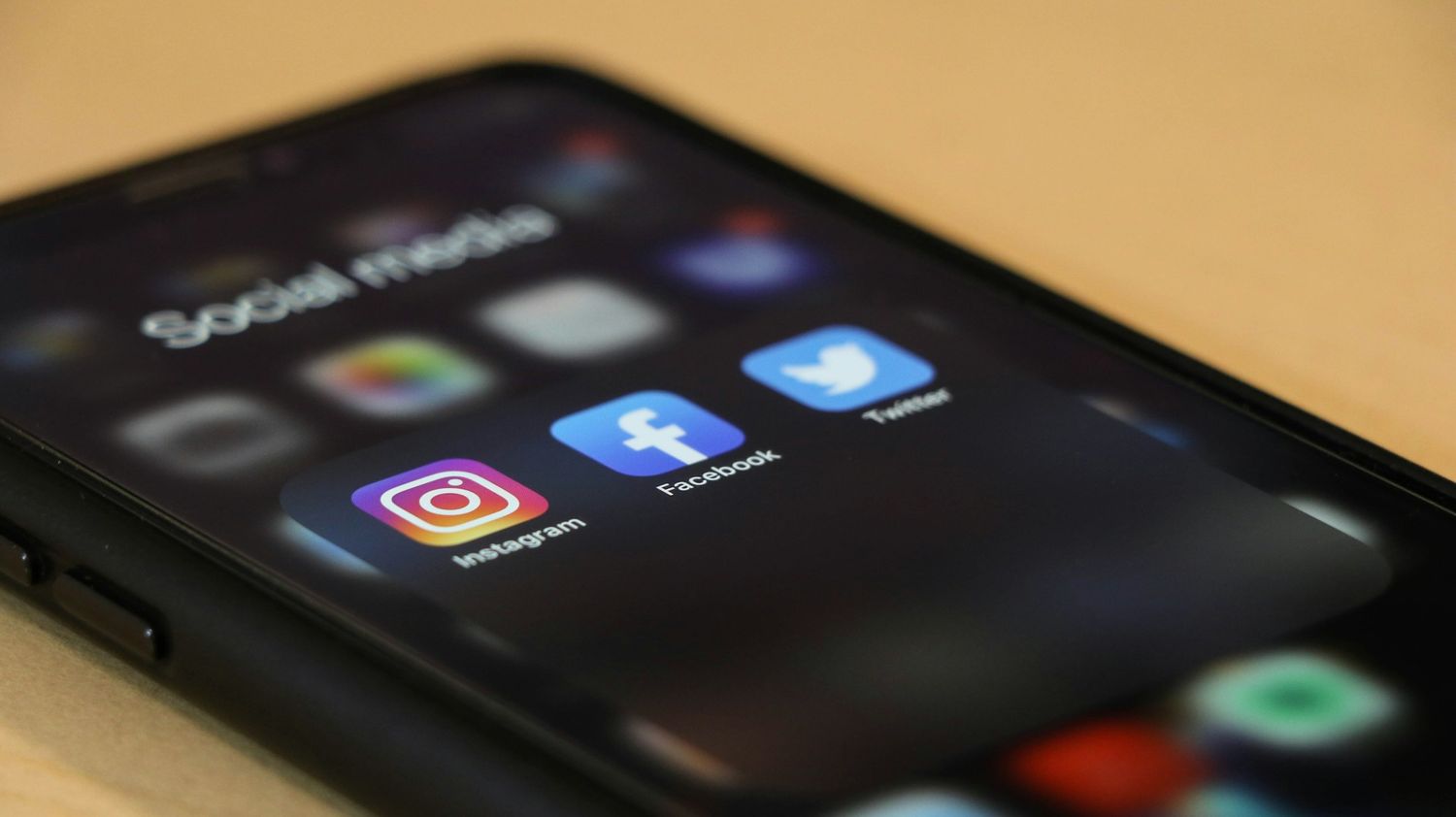
In today's hyper-connected world, digital distractions are omnipresent. Whether at home, at work or even doing a hobby we enjoy, constant notifications, endless scrolling and overflowing inboxes exhaust us mentally. Studies show that excessive screen time is linked to higher stress levels and poorer sleep, reducing productivity.
What if there was a way to reclaim your time and attention?
That's where digital minimalism comes in, a philosophy focused on the intentional use of technology and the simplification of digital life. By decluttering, you create space to reflect, improve focus, and rediscover creativity.
What is digital minimalism?
Digital minimalism is about giving priority to quality over quantity when it comes to digital interactions. It's an increasingly widespread global movement, a consequence of our growing dependence on technology. On average, a person uses a screen for more than 6h38 a day, according to the Digital 2025: Global Overview Report.
So, instead of using technology mindlessly, digital minimalism invites us to use it more responsibly and sustainably. It's not about abandoning technology altogether, but focusing on what really matters.
In the following section, we'll look at a few tips that may lead you to rethink your use of digital technology. The aim is not for you to follow all the following tips to the letter, but to help you make conscious decisions about your current situation. On the other hand, if you're reading this article, you're probably already planning to make some changes in your life.
Practical tips to declutter your digital life
Value quality over quantity
- Track your screen time and decide what to cut down. For example, limit YouTube or your browser to 45 minutes a day.
- Delete unused apps — less digital clutter brings more mental clarity.
- Focus on apps and tools that truly align with your goals.
Cut down on social media
People spend more than 2 hours a day on social platforms, often leading to anxiety and comparison. In recent years, studies have shown that loneliness is growing in our society, even though we are all connected virtually. Limiting social media use can reduce depression symptoms but also help to reconnect with the people around us in a more meaningful way. Here is what you can do to limit your social media usage:
- Delete social media apps from your phone; use them only on desktop to stay intentional.
- Unfollow accounts that don’t add real value — it’s normal to feel FOMO at first, but your mind will thank you.
- If you feel ready, consider deleting accounts altogether and keeping in touch through blogs, newsletters, or direct messages.
Declutter your digital files and inbox
Digital clutter can feel overwhelming — but small steps help:
- Unsubscribe from newsletters that no longer interest you.
- Regularly organize and delete unnecessary files and duplicates.
- Declutter your photo library by removing blurry shots, memes, and old screenshots. o Decluttering personal photos reduces digital overwhelm and enhances emotional well-being (Psychological Science, 2021).
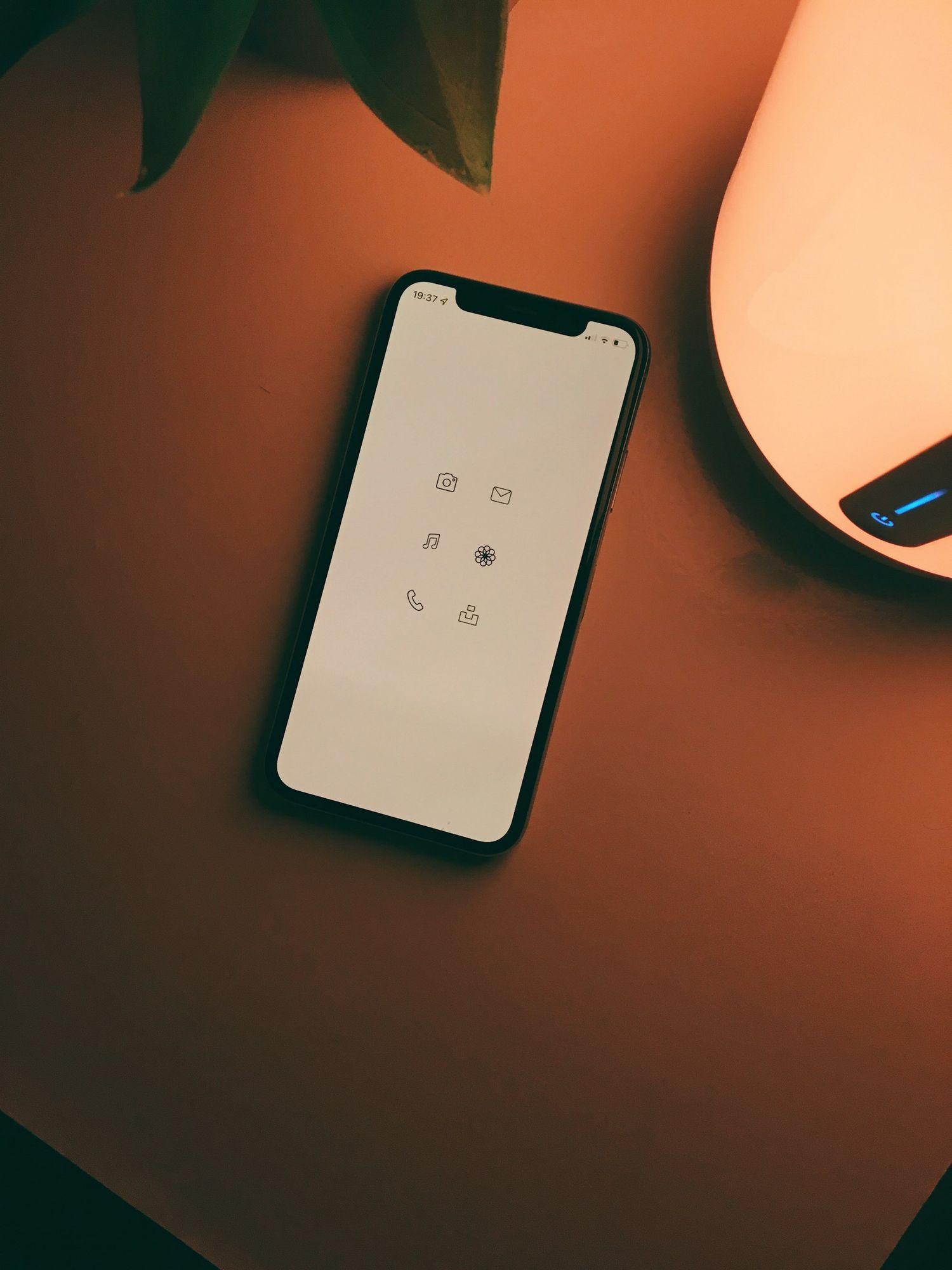
- Keep your desktop and phone home screen simple and organized.
Use an RSS feed reader
Algorithm-driven feeds push viral and polarizing content.
Using an RSS reader like Feeder or Feeeed helps you curate what truly matters — so you can explore topics you care about without endless distractions.

Prioritize offline activities
Reconnect with the physical world:
- Spend time in nature — even short walks can boost mental well-being.
- Move your body: yoga, dance, or stretching reduce screen fatigue.
- Read physical books to deepen focus and spark imagination.
- Try creative hobbies like painting, cooking, or photography.
- Join local meetups, game nights, or workshops to nurture real-life connections.
Set boundaries
- Turn on Do Not Disturb or silent mode during meals or before bed.
- Establish screen-free times: for instance, no screens an hour before sleeping.
- Turn off non-essential notifications to regain control of your attention.
Use technology as a tool, not a distraction
- Ask yourself: Why am I opening this app?
- Replace mindless scrolling with purposeful activities.
- Try productivity techniques like the Pomodoro method.
- Call instead of texting when you want deeper conversations.
Challenges & how to overcome them
- FOMO – Schedule specific times to check social media rather than quitting cold turkey.
- Habitual scrolling – Keep your phone in another room or use app blockers.
- Email overload – Unsubscribe ruthlessly and use filters.
- Resistance to change – Start small; even reducing screen time by 30 minutes makes a difference.
The benefits of less screen time
- Improved focus and creativity
- Reduced stress and anxiety
- Better sleep quality — less blue light helps your body produce melatonin naturally
- More time for meaningful hobbies and relationships
Conclusion
Digital minimalism isn’t about rejecting technology; it’s about choosing how and why we use it. Small, conscious changes can lead to a simpler, more balanced digital life — where attention becomes a choice, not a reaction.
Explore more
- “Sick of Scrolling? Digital Minimalism Could Help.” All in the Mind, Apple Podcasts, 2024, https://podcasts.apple.com/ca/podcast/sick-of-scrolling-digital-minimalism-could-help/id73330911?i=1000673692663.
- Blue Light Has a Dark Side. Harvard Medical School, 2019, https://www.health.harvard.edu/staying-healthy/blue-light-has-a-dark-side.
- “Why a Cluttered Environment Clouds Thinking.” Association for Psychological Science, 2013, https://www.psychologicalscience.org/news/releases/why-a-cluttered-environment-clouds-thinking.html.
Image credits
Images from Unsplash:
– Book by Ben White
– Hiking in nature by Raquel Fereshetian
– Minimalist phone by Steven Shi