Iceland has always held a special place in my heart. It was the location of my first solo trip abroad, where I volunteered on a farm in the east fjord. Surrounded by wild nature and wide-open spaces, I immediately felt more serene and in tune with myself than in a fast-paced city life.
A few years later, I went back in autumn to visit the south of the island, covered in a layer of golden snow, colored by the sun that remained low in the sky. It was also at that time that I discovered North Sailing and the magnificent Opal, a two-masted schooner, as I was looking for an ecological and unique way to see the Northern Lights. In the end, I didn’t see any auroras that evening, but sailing quietly across those waters felt magical in its own right. Thanks to the wind that was pushing us along.
In the days that followed, I came across Ocean Missions a small organization, then just beginning its journey in Húsavík. Their approach toward marine preservation and education immediately appealed to me: combining science, adventure and awareness-raising, as close as possible to whales and the ocean.
I’d had a few exchanges with the team in the past, hoping to volunteer one day. However, this year felt a bit rough for me. Mainly because my job lacked meaning for me and didn't reflect any of my core values. Staying within four walls wasn't what I'd dreamed of. Far from the wide-open spaces and nature that inspire me so deeply.
So, I took a deep breath and decided to participate in the third edition of the Hope Expedition, a sailing journey within the Hope Spot in North Iceland (more on that later). It was a choice made in the hope of reconnecting with my lost self — and dedicating time to what I love most: being close to nature and wildlife.
Ocean Missions
Ocean Missions is a small, passionate non‑profit organization based in Húsavík, North Iceland. Born from a shared love for the sea and its wildlife, their mission is to protect marine ecosystems through a blend of scientific research, environmental education, and hands‑on conservation.
What makes them unique is their philosophy: they set sail into the North Atlantic aboard sustainable vessels, collecting data, cleaning remote shorelines, and sharing knowledge directly with those who join them.
Through every expedition, they hope to spark a deeper connection between people and the ocean — reminding us that protecting the sea means protecting life itself.
Day 0 - The Journey Begins
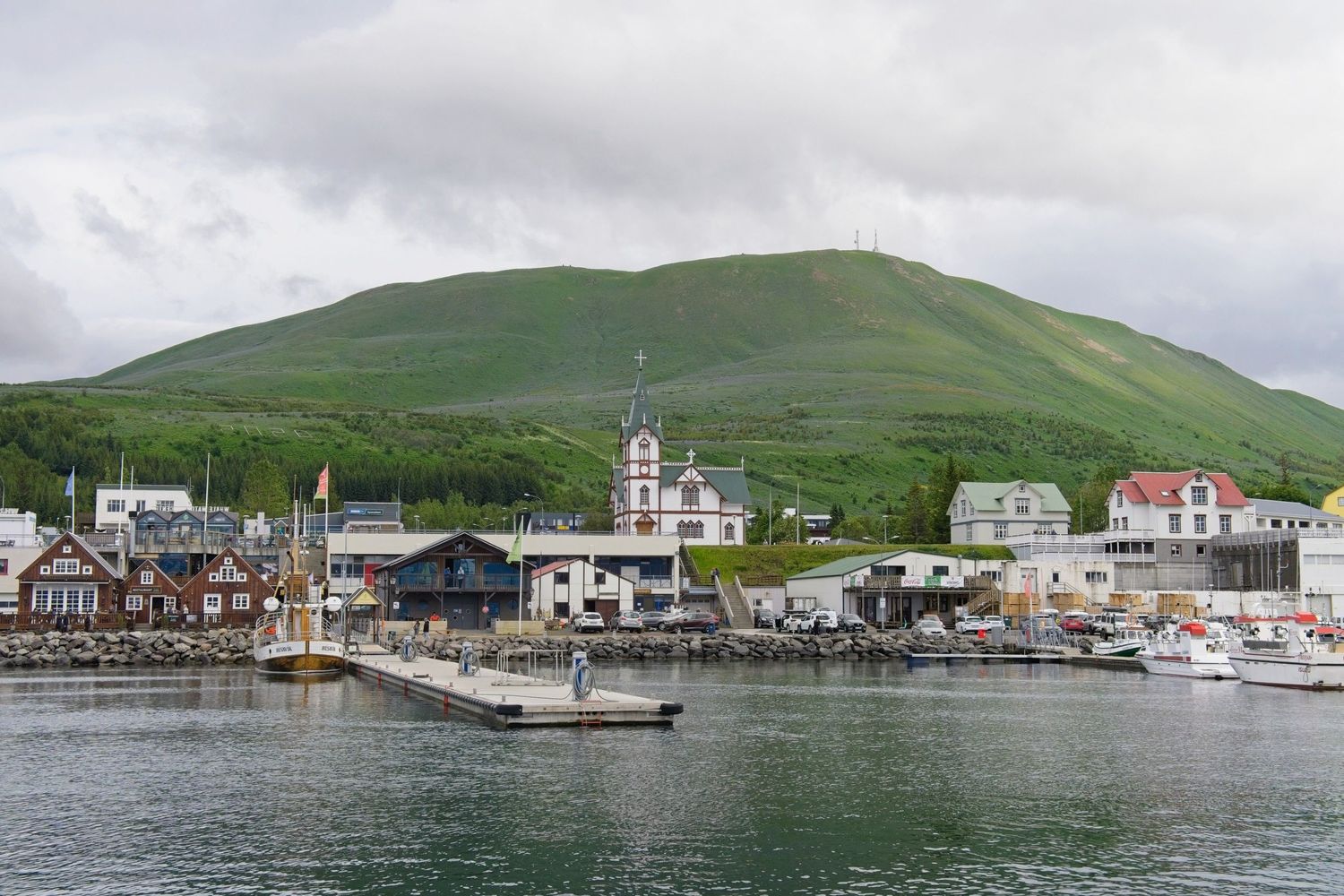
It's been a long time since I felt so excited by the unknown I was facing. “What am I doing here?” I asked myself, as I watched the landscape unfold through the window of the van that's transporting me and another participant from Akureyri to Húsavík. Maybe it was the need to step away from the monotony, to challenge myself beyond the digital noise, and reconnect with what truly matters. Something deep inside was pushing me toward this adventure. This small town of about 2,500 inhabitants — known as the whale-watching capital of Europe — would be my home for the next week. Many species of cetacean come to Skjálfandi Bay in summer, because of the cold and nutritious waters.
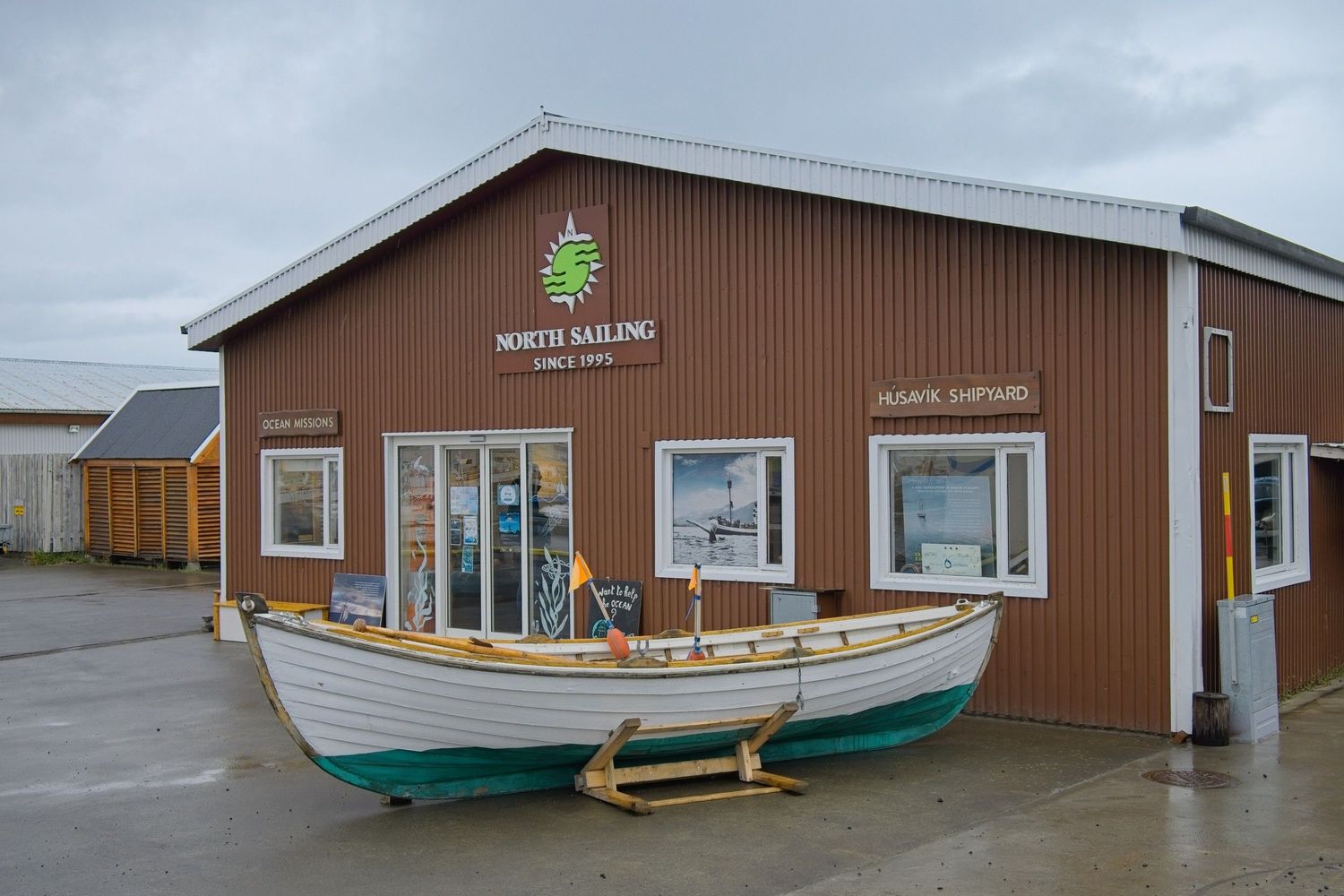
Arriving in Húsavík, I walked towards the docks, where I spotted the office of Ocean Mission. From the outside, it's a very charming building, decorated with various items taken during previous beach cleanup and a beautiful wooden boat. By stepping inside, I met another participant, here to film a series of short documentaries in different parts of the island. I also met Gaia, a team member, and Belén, the founder of Ocean Missions. Both were very happy to see us coming for this expedition, because it helps research and it's also a good way to bring awareness to everything surrounding the ocean.
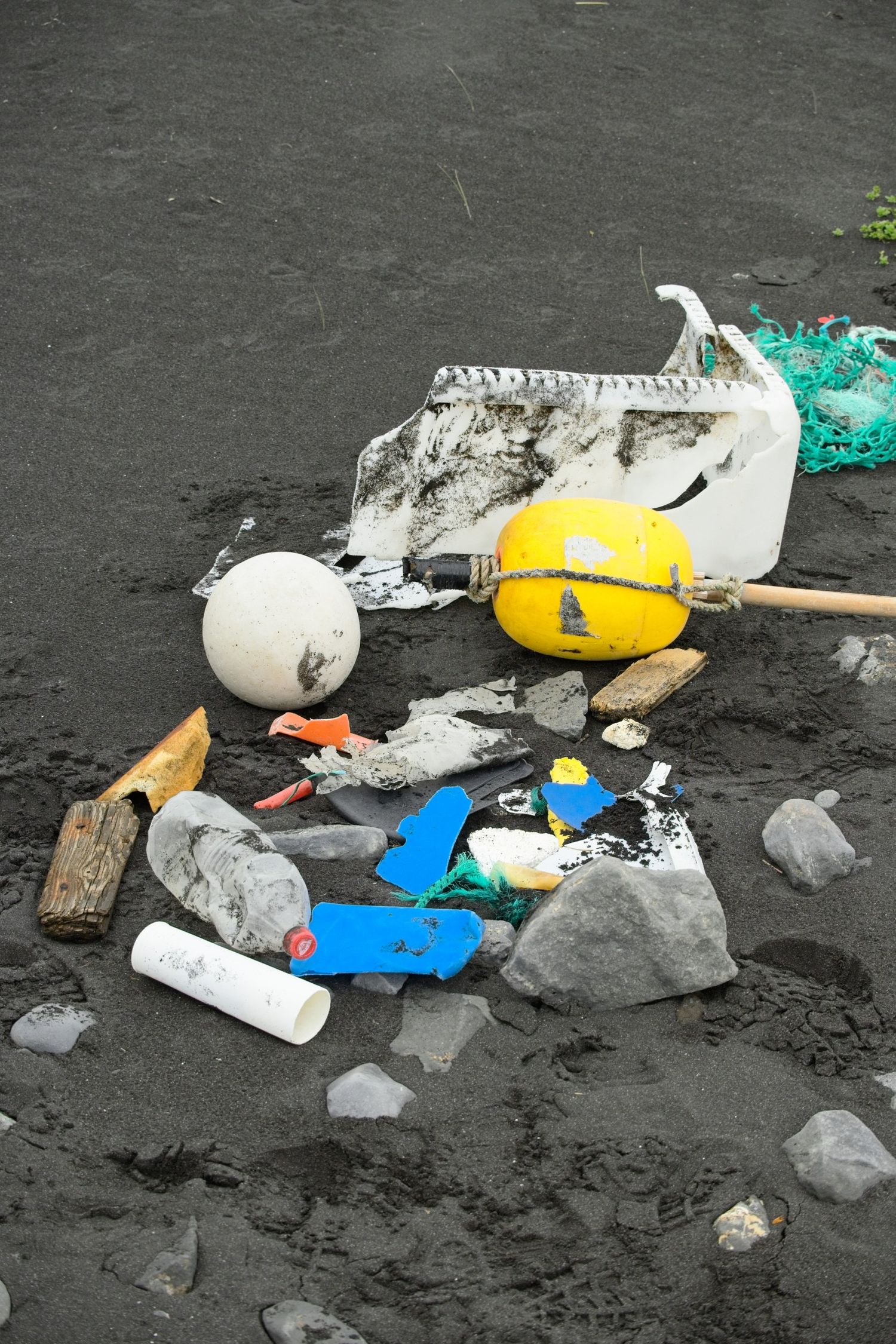
After a quick introduction, I was rapidly invited to follow the group to do our first beach cleanup. The expedition wasn't even started that we jumped into a van to go to a nearby beach, located North of the town. I'm not saying no to useful work to preserve the shoreline, which are littered with all kinds of debris. We were given some gloves and bags, and we started walking on the beach to find man-made items. We found plastic containers, an enormous fishing net and various bits of plastic, but the saddest thing was the discovery of a lifeless puffin, its wing wrapped in a net. Moments like this give even deeper purpose to the conservation work that Ocean Missions does and it motivates me for the days to come. We aren't doing that only to have a clean beach, but we do this for all the living that need an environment unperturbed by humans' civilization.
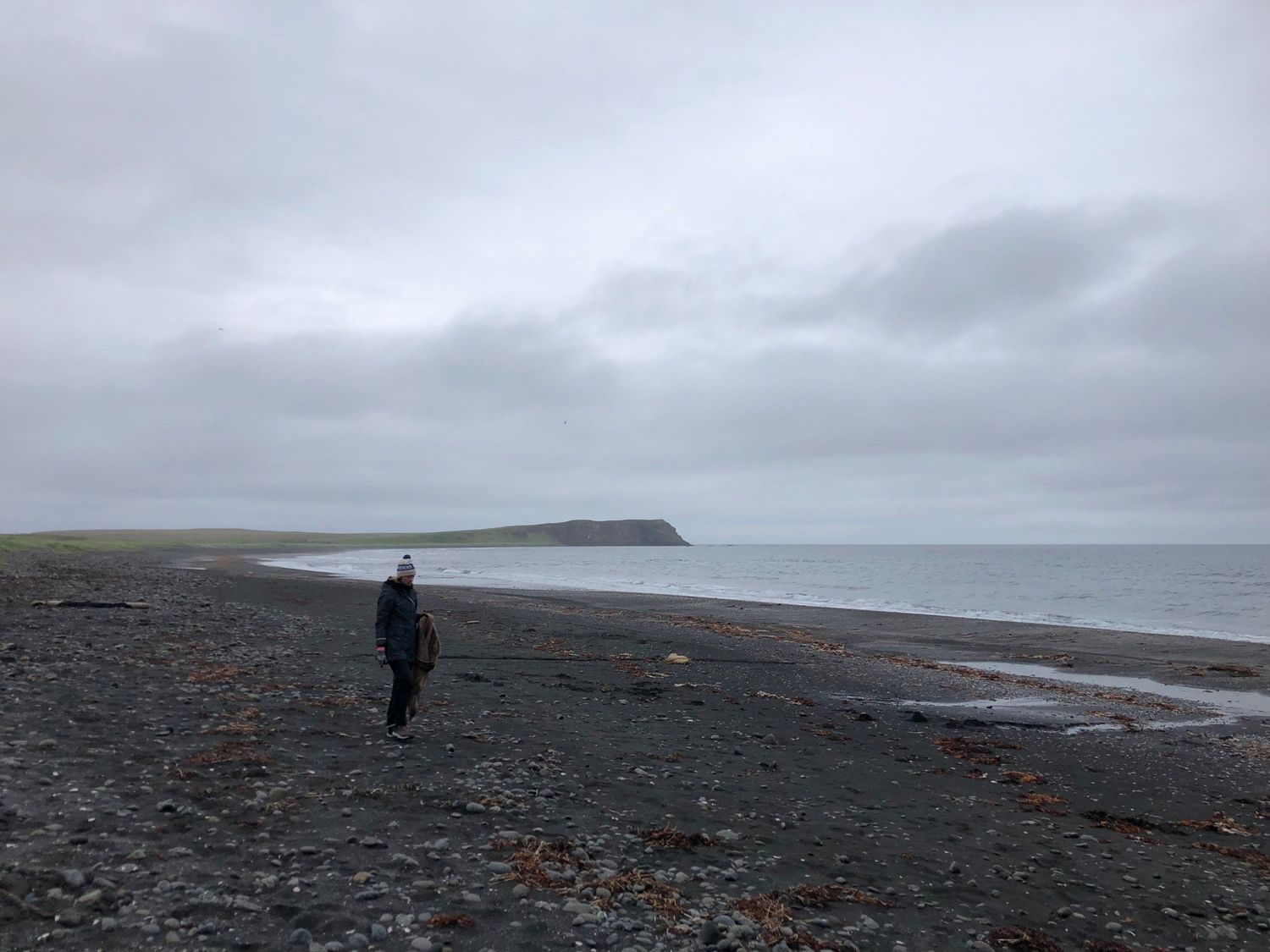
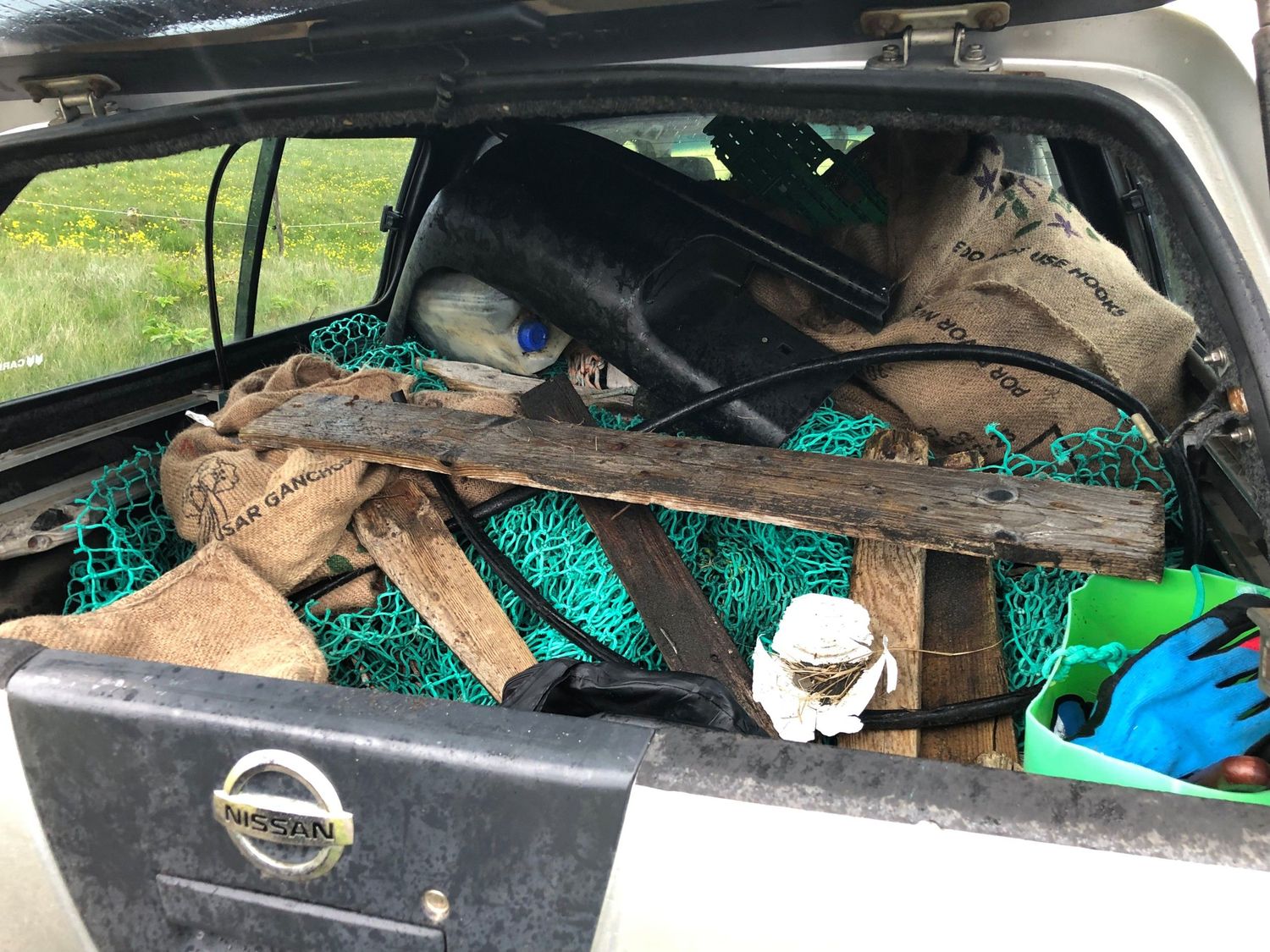
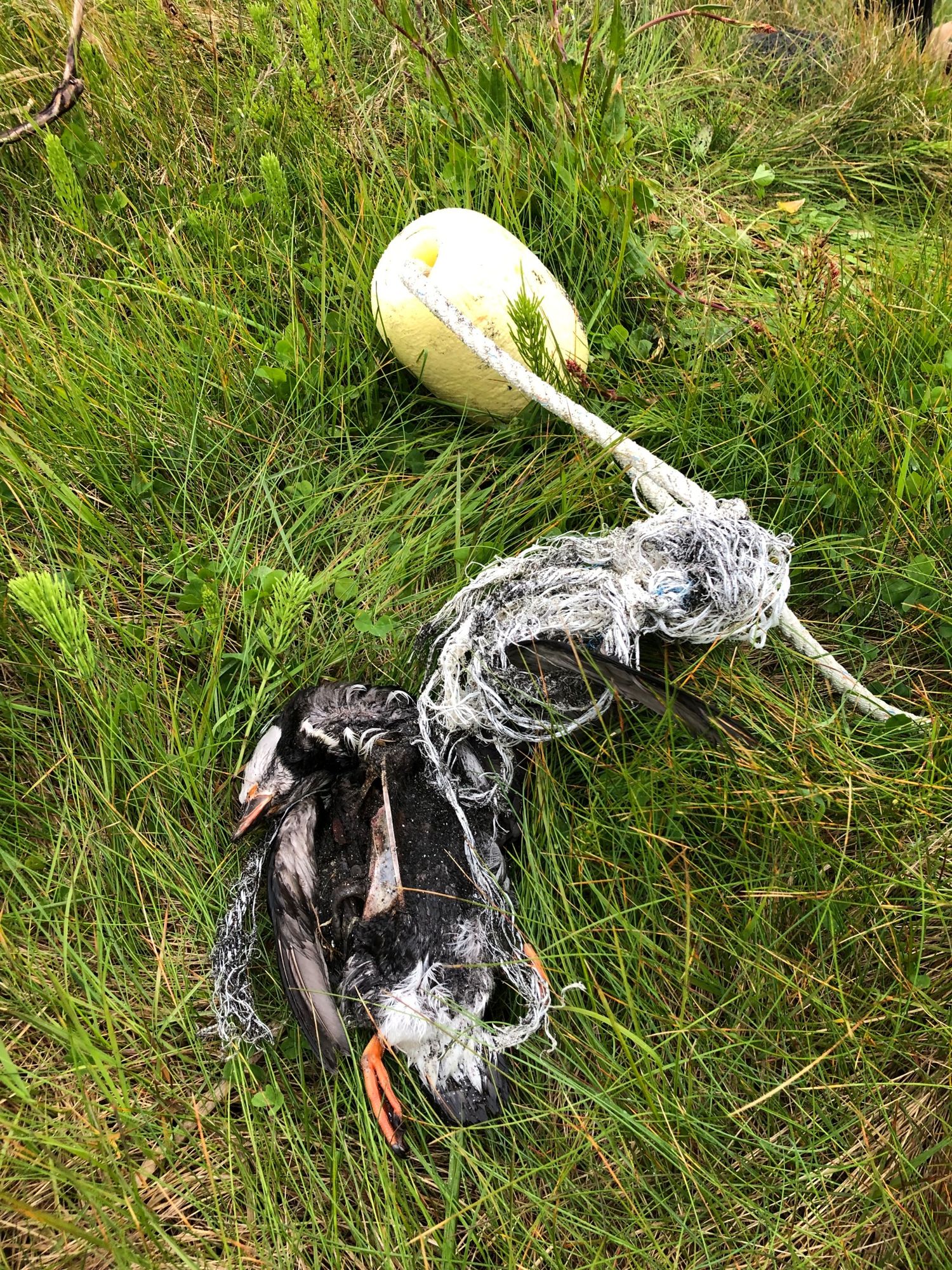
I hadn’t expected much from this first day, which was only supposed to be my arrival, but in just two hours of picking up litter on the beach, I felt I had done something far more meaningful than a whole year at my job back home. It made me feel alive again, and I couldn’t wait to see what the days ahead would bring.
A little later, we reached the schooner Hildur — a beautiful and comfortable wooden boat, built in Akureyri in 1974 — where we were about the spend the first night.
Day 1 - Beach & Whales
The following day, I met up with the other participants I hadn't had time to see the day before. Everyone was coming from different paths in life: one was changing careers to become a shipbuilder in the USA; another was working in tech in Germany; and a few were studying science — which made sense, since this expedition was about sailing through the Hope Spot, an area dedicated to protecting whales and other marine life. Even though not all of us had a scientific background — myself included, and I did feel a little out of place at times — we all shared the same passion for the ocean. The six of us were all here to learn, but most importantly, to experience what it’s like on the field: collecting microplastic data, helping with whale research, and becoming citizen scientists, even just for a week.
After a good breakfast, we began a three-day land program, crafted by Belén and Gaia, to introduce us to Húsavík and many more things the organization is doing in the North of Iceland. For this first day, Belén introduced us to Ocean Missions and what its mission in terms of ecosystem preservation and how participatory science benefits the environment.
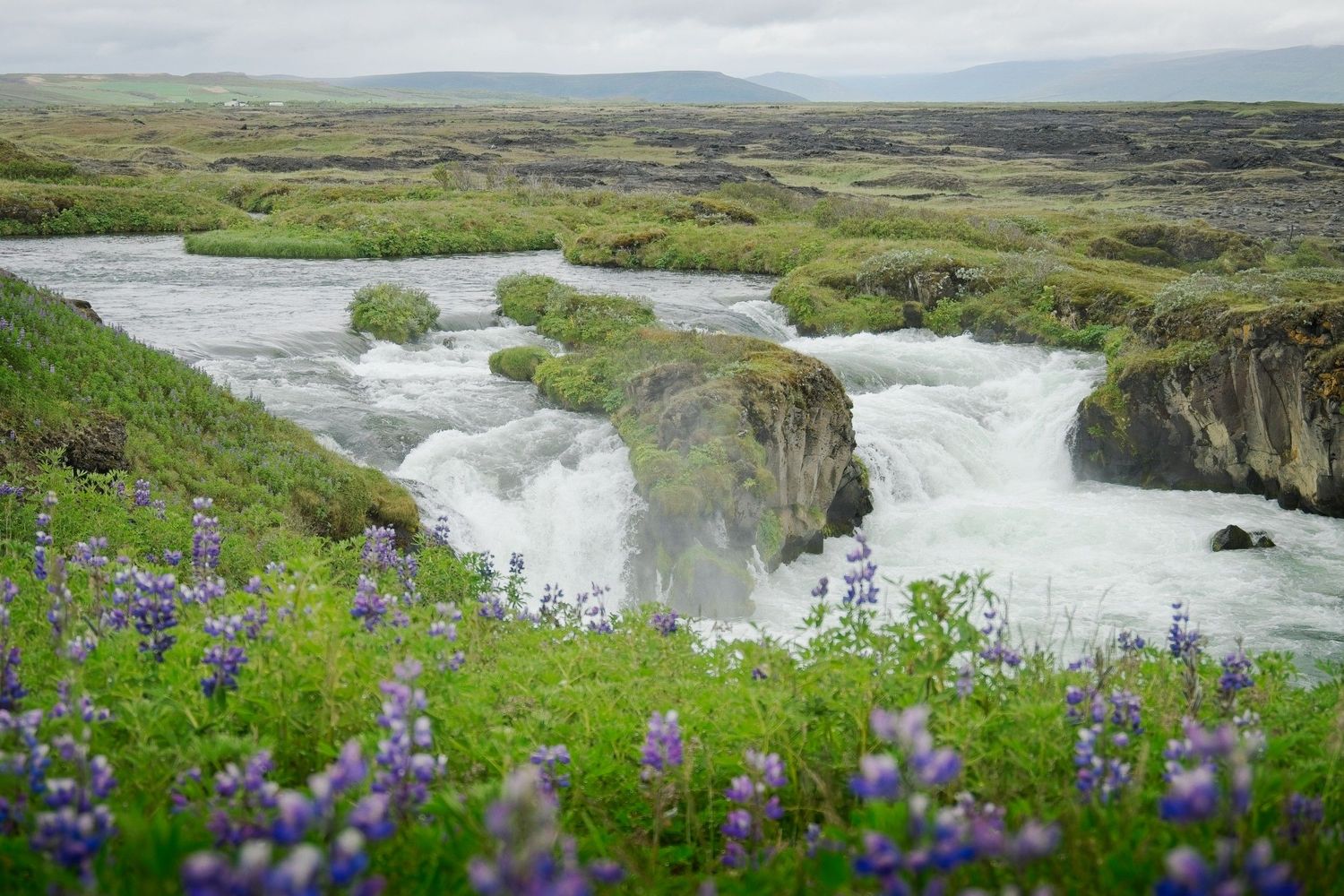
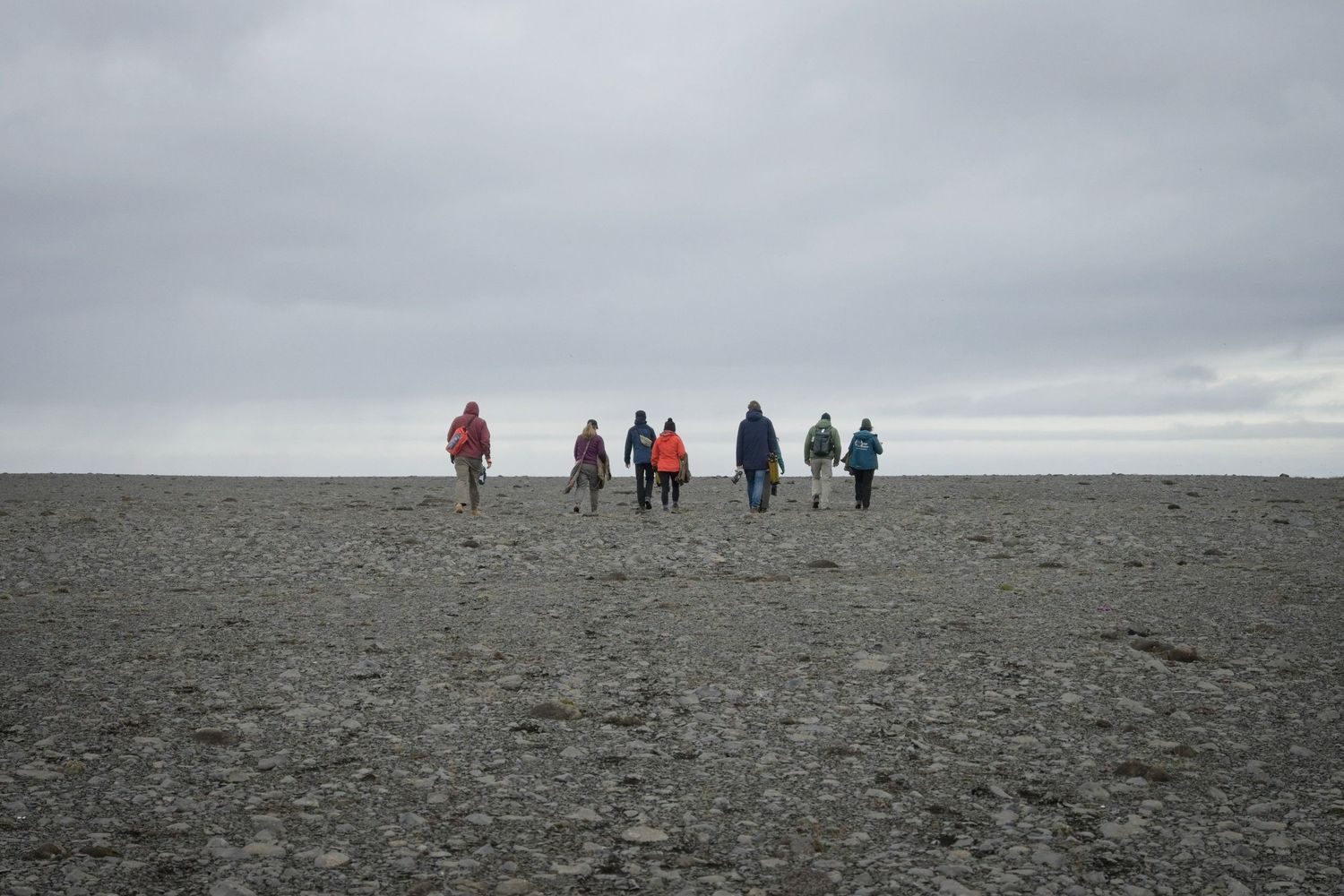
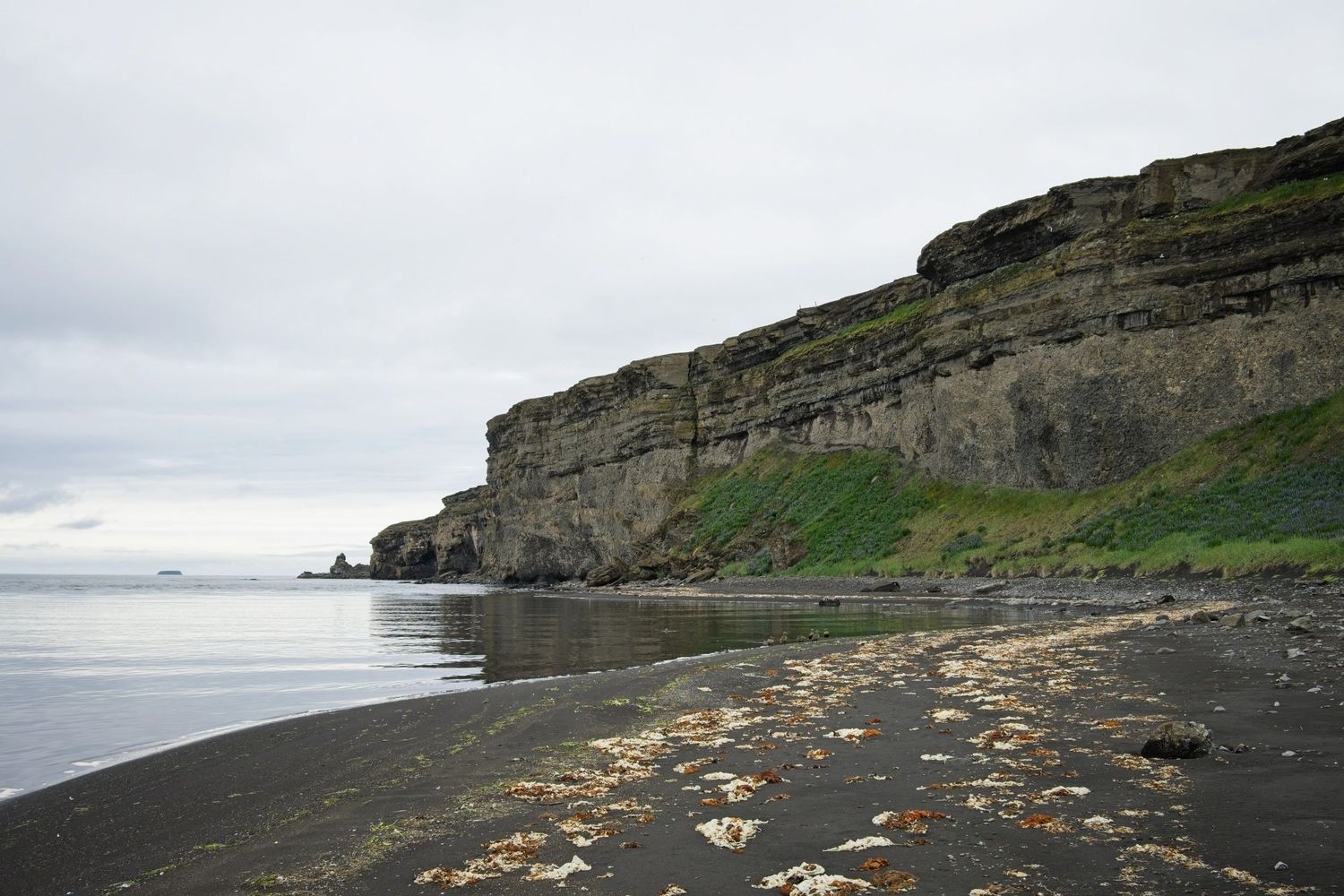
Following the presentation, we headed South to Laxâmyri, meaning “salmon river”. There was a beautiful waterfall, and some locals were fishing down the stream. After a 15-minute walk through what looked like a moonscape — the dark sand swept away by the wind — and surrounded by the calls of Arctic terns, we arrived on the beach to do our first official beach cleanup.
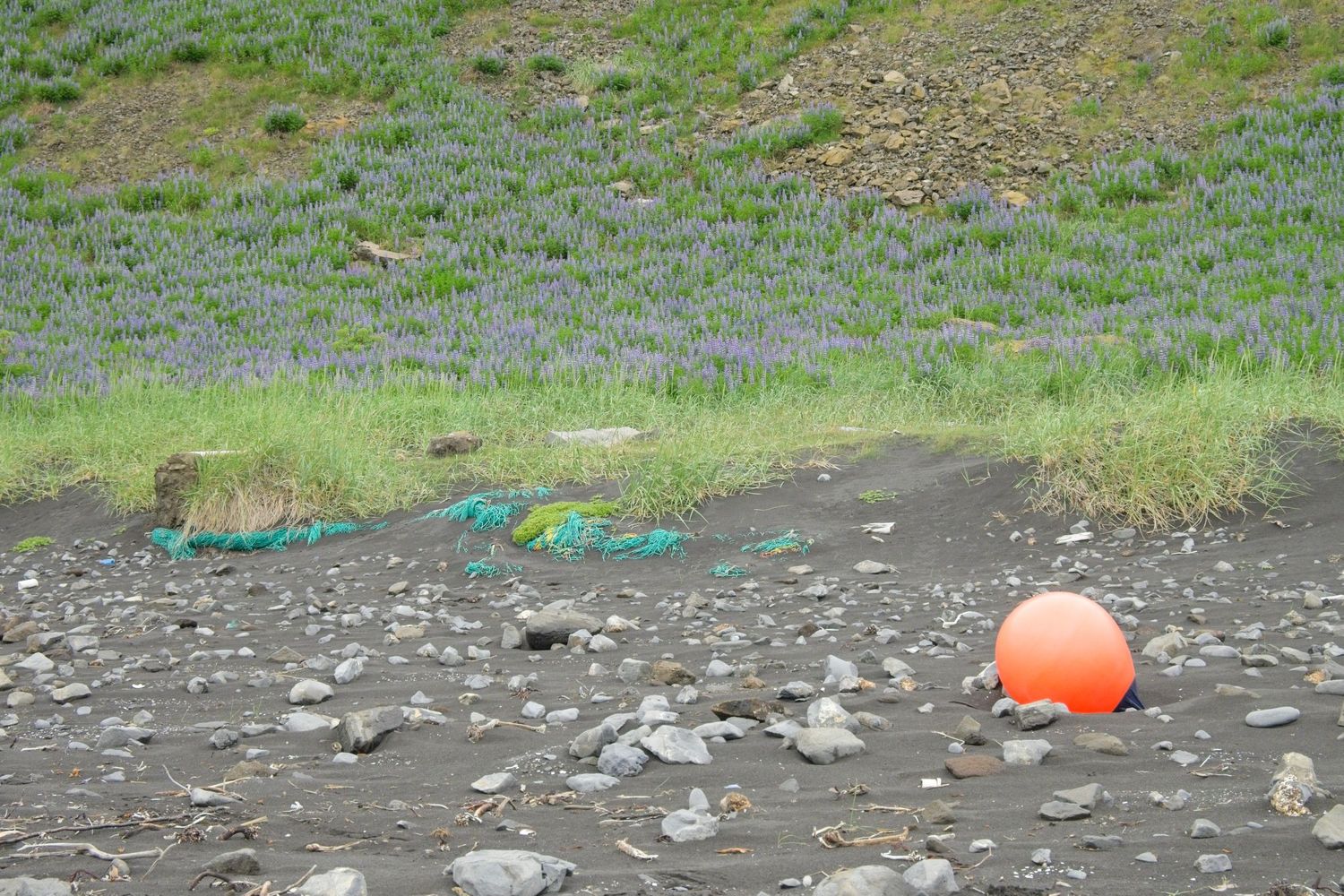
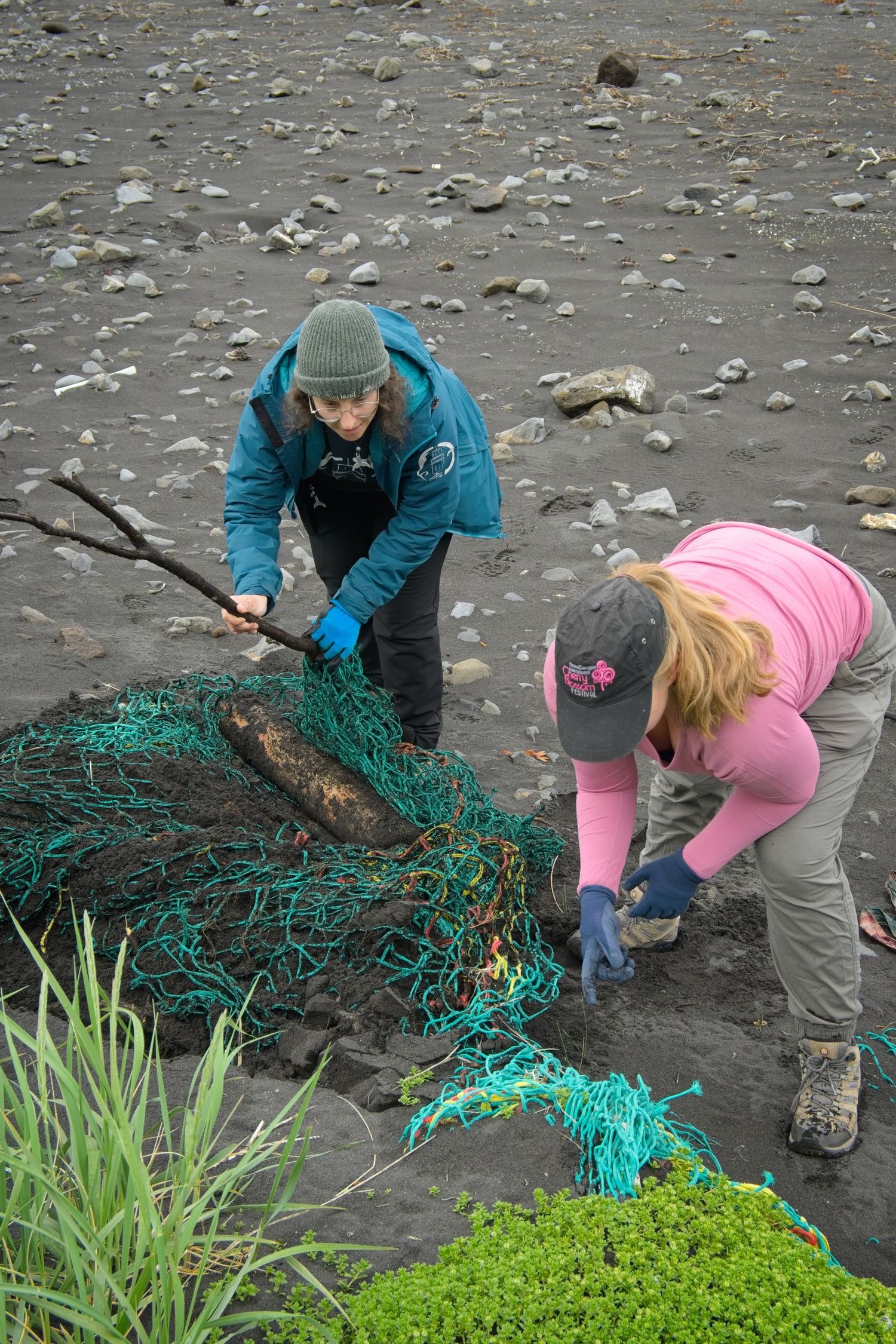
We were alone, accompanied by the songs of birds and ducks on the water's edge. It was quiet and peaceful. But in this calmness, we had to give those birds and animals a clean environment to raise their babies. We formed a line to cover a large perimeter, and me and the rest of the group began our search for plastics, or any other items created by man. I have to admit that the line didn't last long, which was funny in itself, but we were all on the lookout for the slightest intruder on the beach. We found multiple plastic bottles, but again, most of the things we collected were fishing gears or came from the fishing industry. We found a gigantic net stranded in the sand and under some vegetations. It was impossible to remove with our bare hands — so, we cut the parts we could remove, and we left the rest there unfortunately. However, we were told that OM (Ocean Missions) would come back with better tools to remove the net. They do 2 to 3 beach cleanups weekly, which is very amazing and important to have a healthy ecosystem.
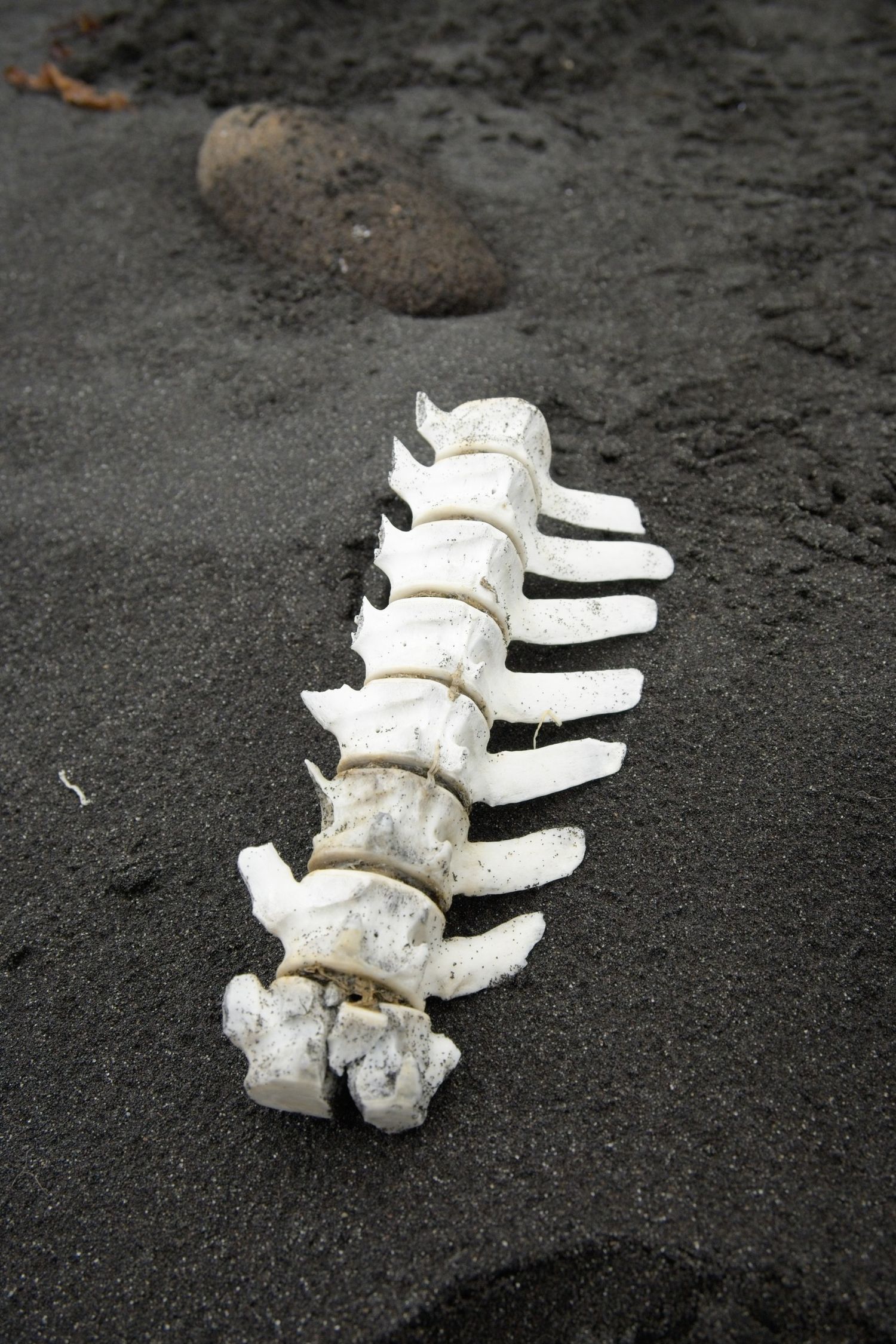
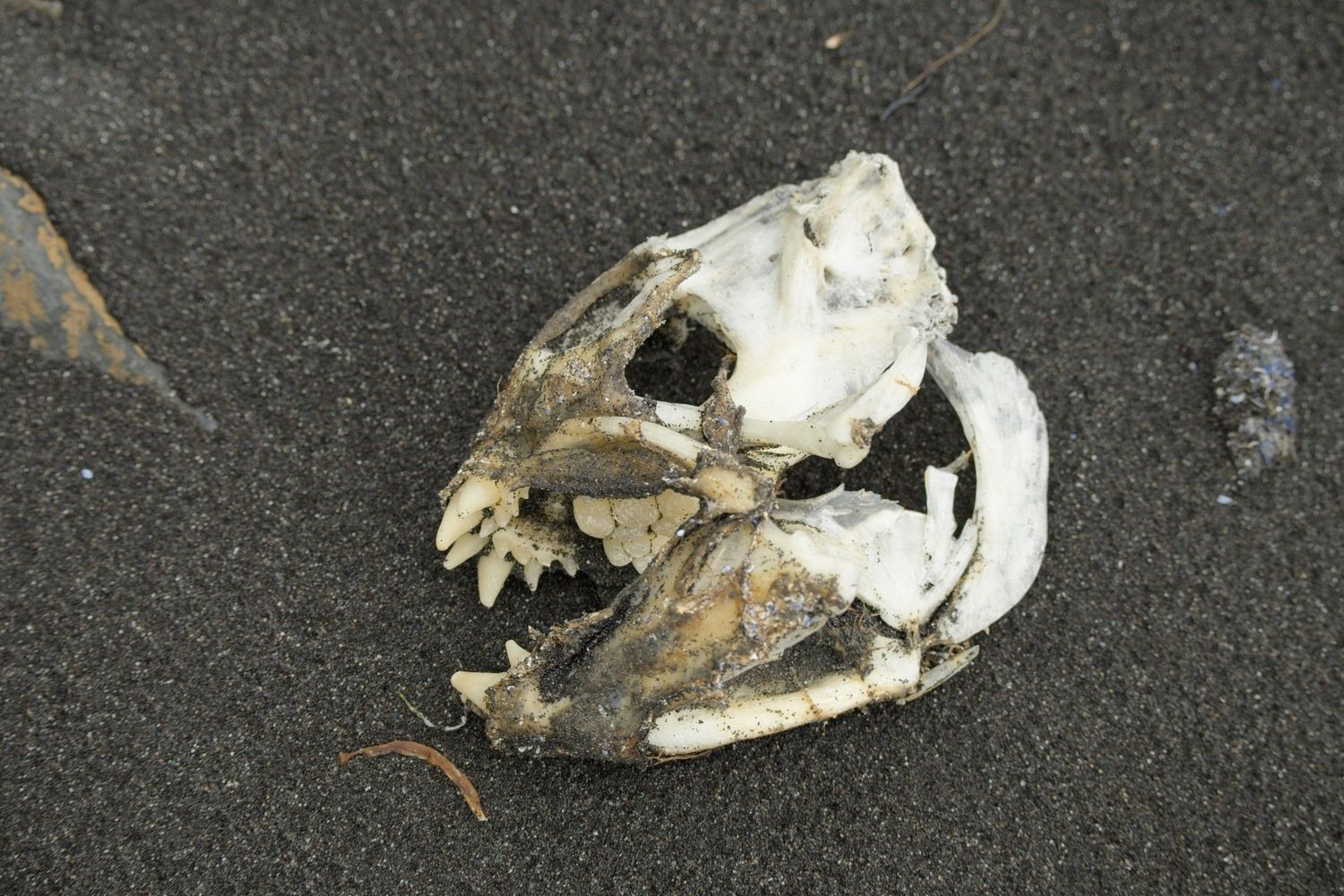
One thing that really surprised me is the number of bones we found on the beach. Normally, when I visit beaches, or even in the forest at home, everything is clean. Public beaches are cleaned regularly (I hope so) and many animals are taking the bones away in more wild areas. But on this Icelandic beach, far from any human interaction, we found some very interesting bones, including a spine of an unknown species and a wolf fish skull.
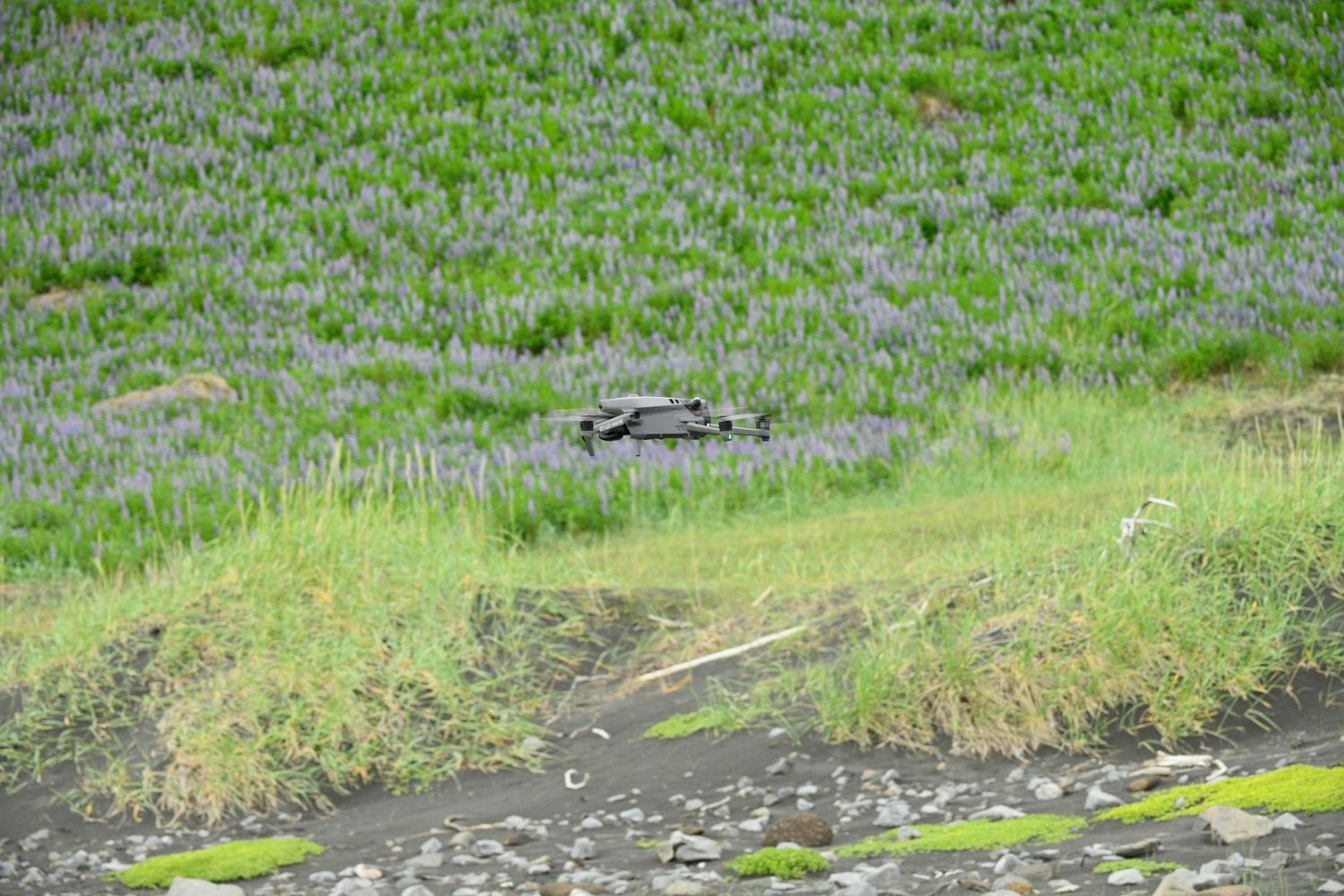
Meanwhile, we were joined by the ICEBERG Project team and the sound of a buzzing drone in the sky. Their goal is to collect aerial photos of beaches using drones, along with detailed photographic data of litter from several angles, to train an AI model that could automatically detect this waste in the future. While we were picking up trash along the shore, the team carefully selected some items — bottle caps, bits of foam, and other debris. Using a setup of three cameras, they captured these objects in almost 3D, which helps the system recognize litter from multiple perspectives.
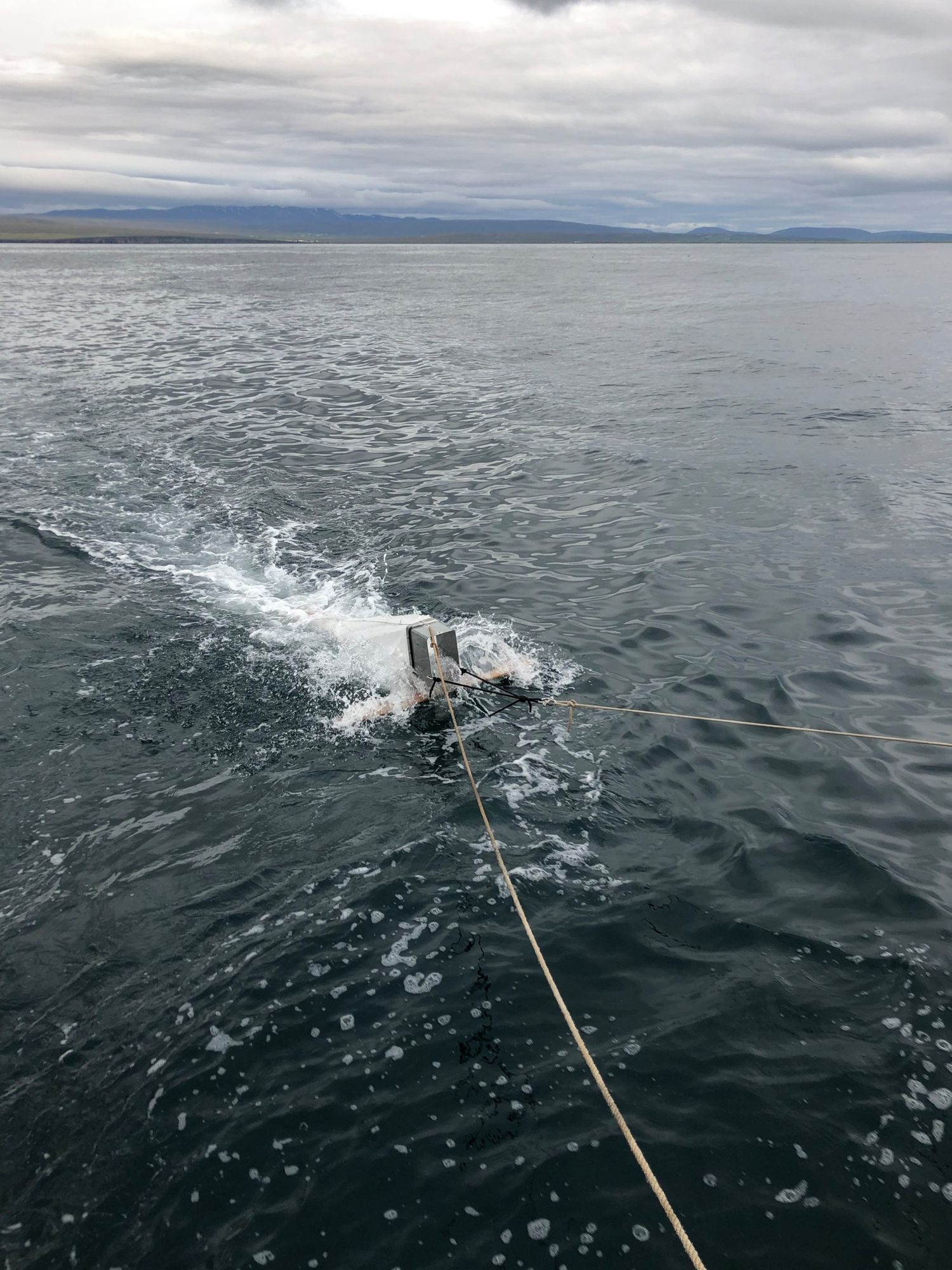
After a while, we went back to the cars with our bags full of garbage and returned to the town. After lunch, we all met in the OM office for a presentation about the Hope Spot — which includes Skjálfandi Bay, Eyjafjörður and Grímsey Island — and the plastic pollution impacting the area. We learned a lot about the meso (5-10mm) and the microplastic (0,3-5mm) found in the Hope Spot. To gather this data, Ocean Missions use two types of manta trawl — one for low-speed sailing and one used at a higher speed — where they can collect sample of what's on the surface of the water. With the water flow, the speed of the boat and the distance traveled, they can calculate the concentration of zooplankton in the water, but also find microplastic at time. It's a very important step to find out how nutritive is the water for the cetaceans, but also to see how polluted it is and what we can do about it. According to the collected data from microplastic particles, 36,7% are lines coming from fishing gear, 27% are fragments of diverse objects and 18,3% are from boat paint. We have been told that there is currently no infrastructure to prevent paint in the oceanic water, but it's something that may be coming in the future to contain paint when repainting boats, mostly from shedding or the use of water pressure.
The Icelandic Hope Spot
In Iceland, only 1% of ocean waters are protected — and globally, the situation is even more concerning, with only around 3% of the world’s ocean under protection.
The Hope Spot was created in collaboration with Mission Blue to raise awareness of the ocean’s importance in our lives. It has been scientifically identified as a critical area for the health of the ocean.
We now know that between 50% and 70% of the oxygen we breathe every day comes from the ocean. Thanks to photosynthesis by phytoplankton and other marine plants.
After the presentation, we spread out everything we’d collected on the beach earlier that day across the floor. Not to make a mess in the office, but to carefully sort each item into different categories, following the OSPAR method. This method involves surveying a 100- or 1000-meter stretch of beach, then categorizing the waste by type — like foam, string, plastic bags, fishing nets, and so on — and by size: plastic smaller than 2.5 cm, between 2.5 cm and 50 cm, or larger. It’s part of a framework through which 15 governments and the EU work together to protect the marine environment of the North-East Atlantic.
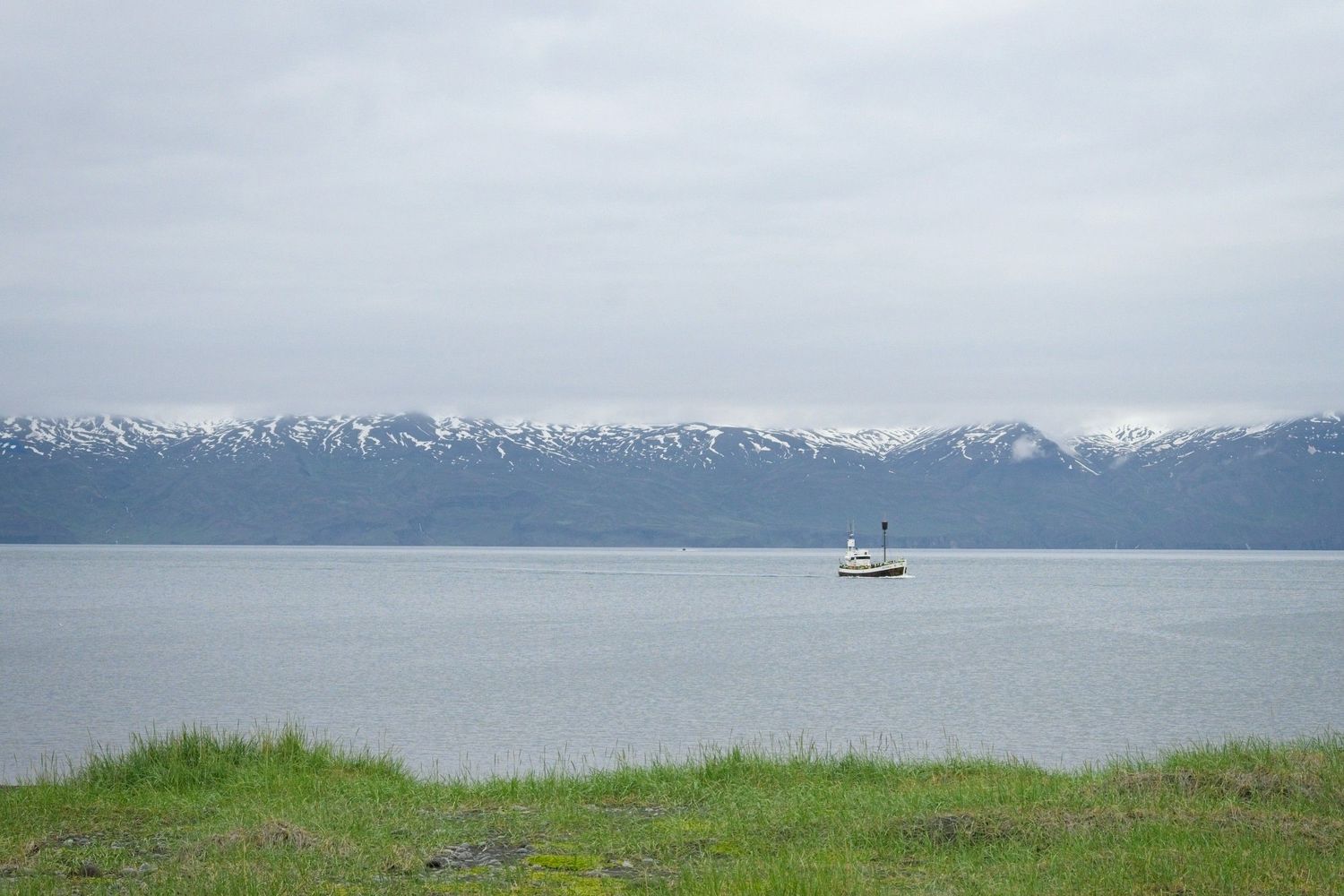
Later that day, after getting to know each other over a great meal aboard Hildur, we had one last thing planned. At 20:00, we set off from Húsavík aboard Dagfari for a whales & science tour in the bay. It felt unique to be sailing so late, out in the wild — but at this time of year, it’s the season of the midnight sun. So even at 20:00, with clouds whitening and softening the sky, the light looked almost the same as during the day. It’s hard to imagine the sun barely sets at all, and it was truly magical to be on the sea late at night. For this tour, we were accompanied by students from the University of Iceland, who were spending a couple of days in town.
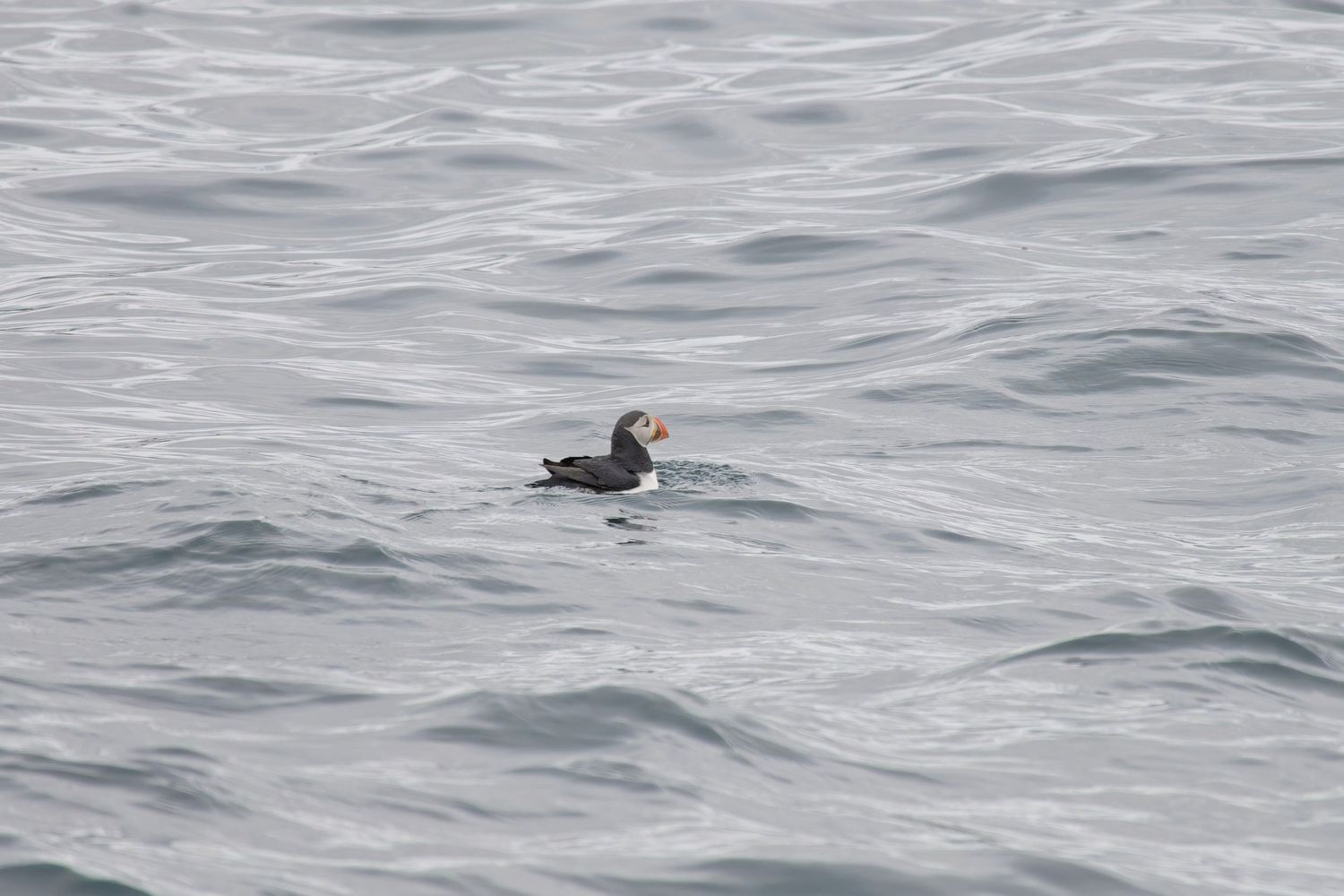
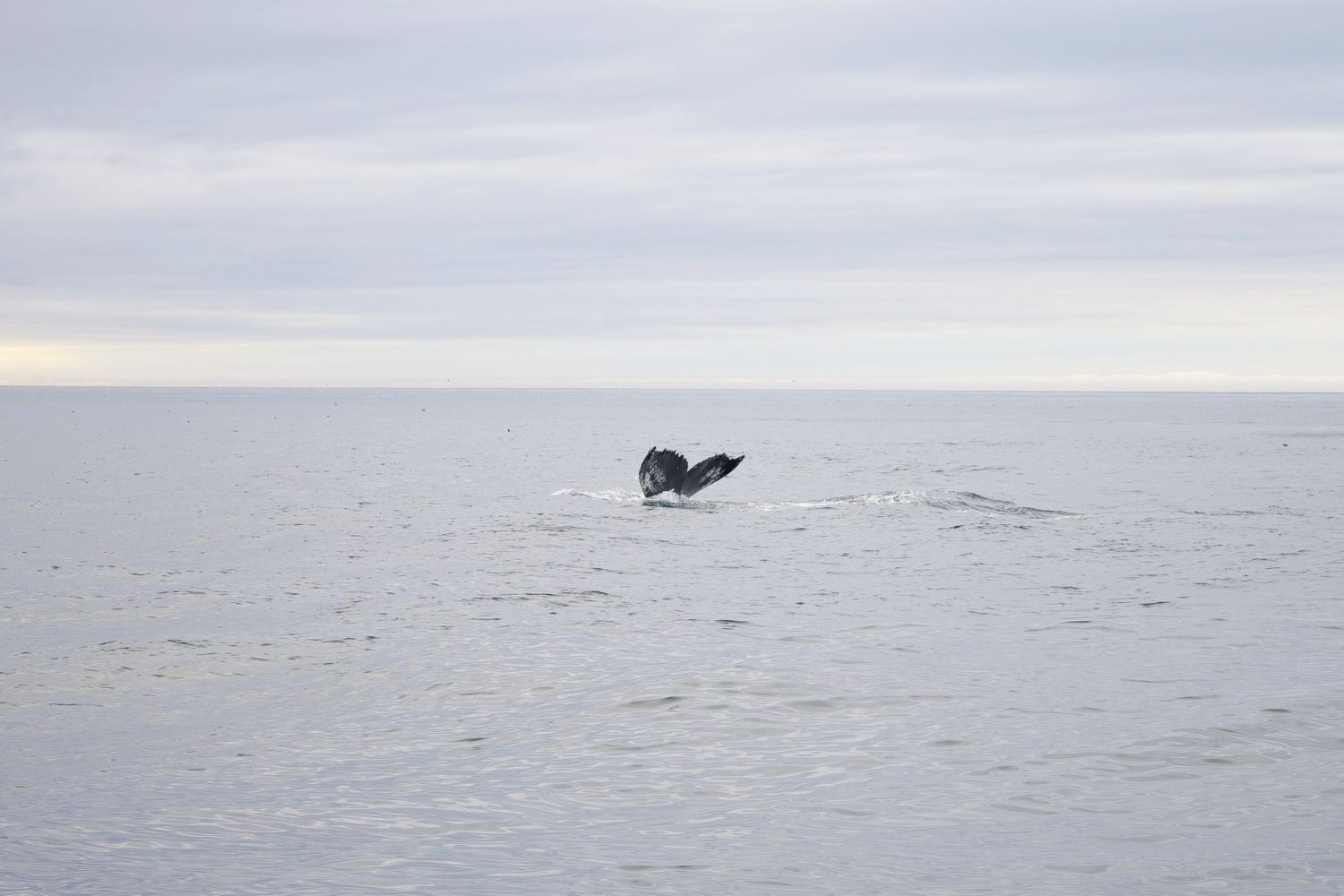
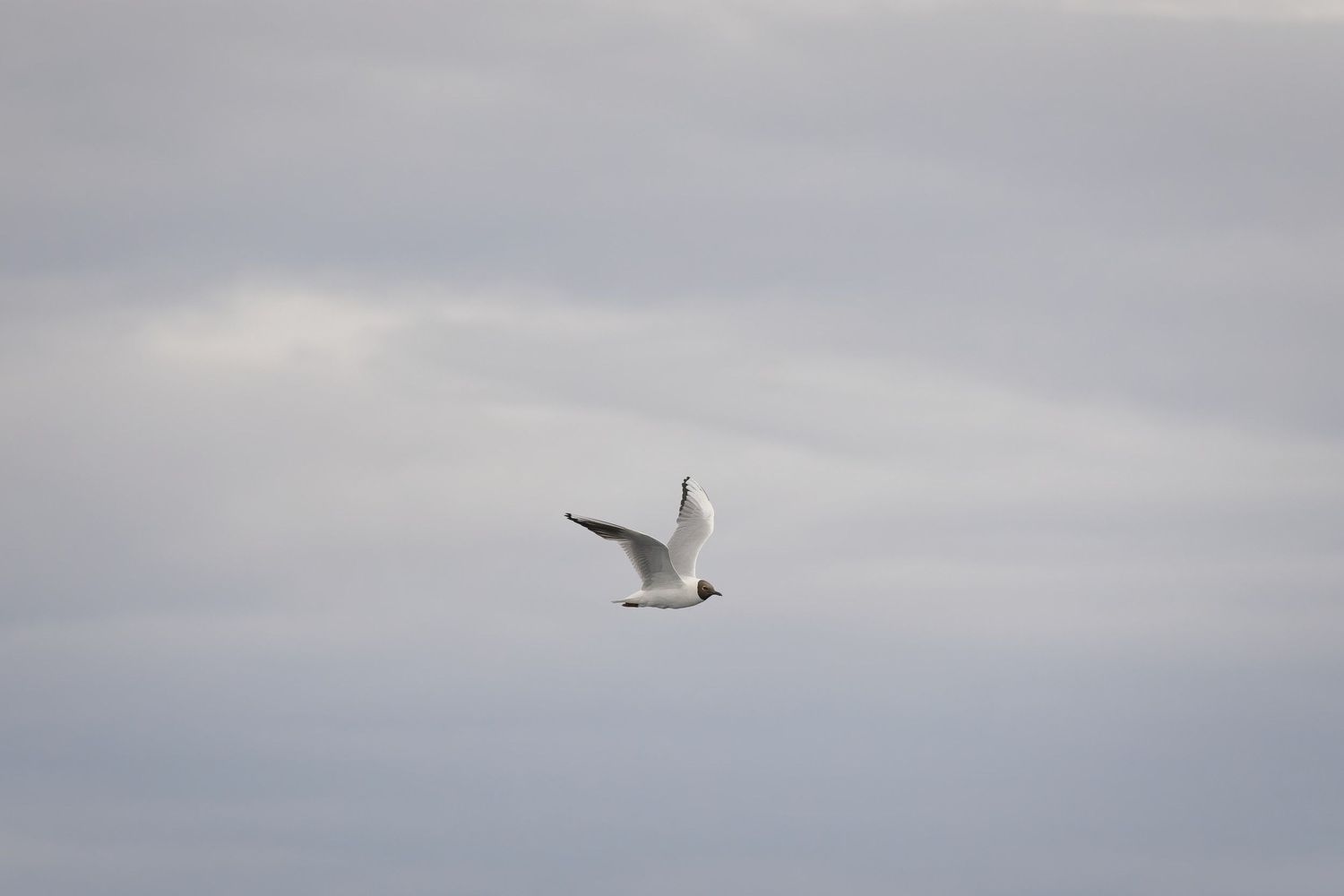
While we were at sea for the night, we were able to observe a lot of wildlife. Seagulls soaring near the boat, other birds circling around a fishing spot and attacking each other's for food. In the water, we were able to see many puffins and guillemots floating quietly and then diving when we were passing by. It was great to experience that freedom — to be one with nature. And when I thought seeing the birds was enough for the night, we heard a sound. A gentle splash followed by a breathing. A humpback whale was right there, on our right. And right after, a second whale came in. I think during that night, we saw a total of 4 humpback whales, some minke whales in the distance and surprisingly to me, some white-beaked dolphins that were jumping out of the water. I didn't know there was some dolphins so far North in the world, since we mostly see them in more tropical area like the Mediterranean or the Caribbeans, but I'm glad to now know that some species are living in the cold Arctic oceanic water.
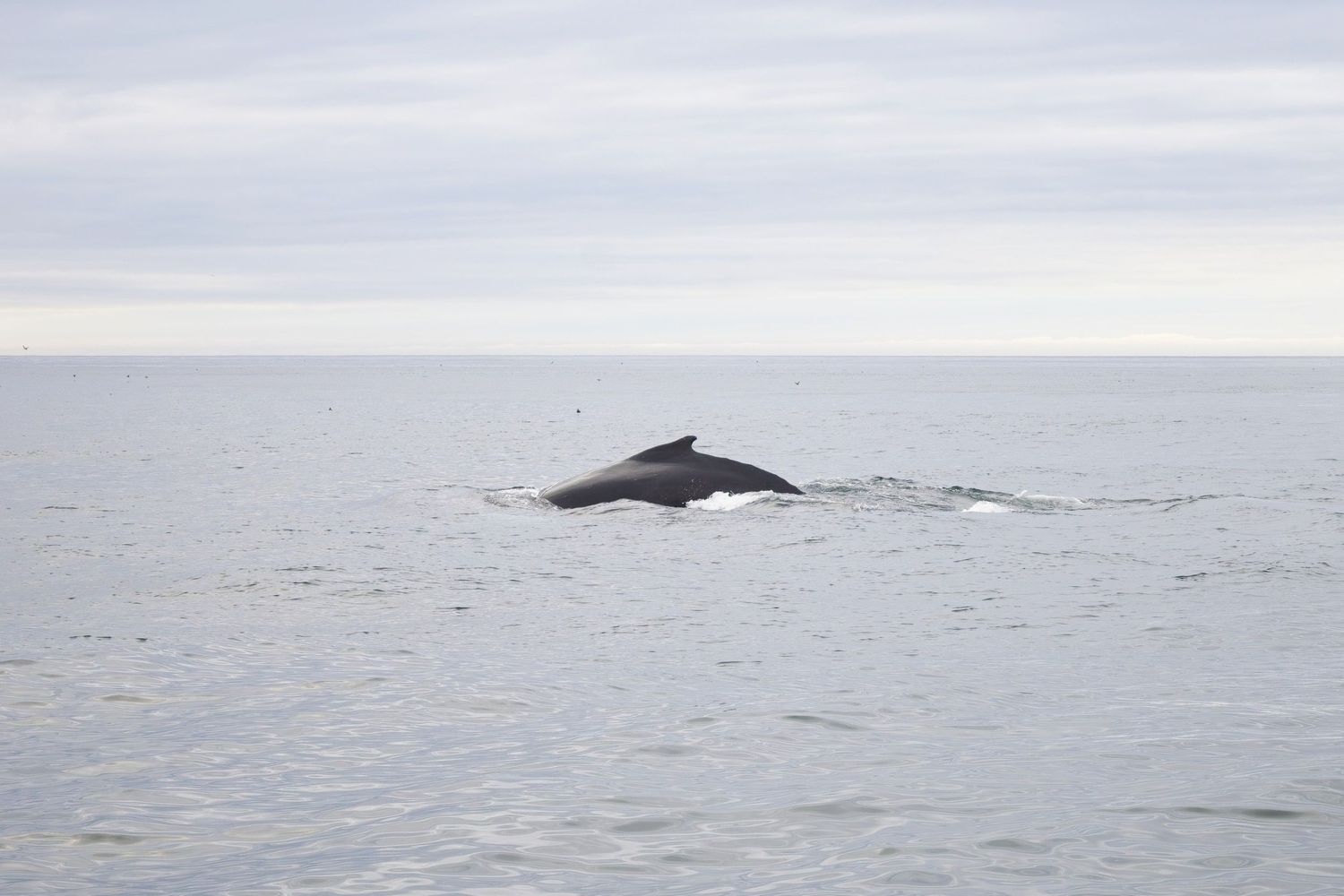
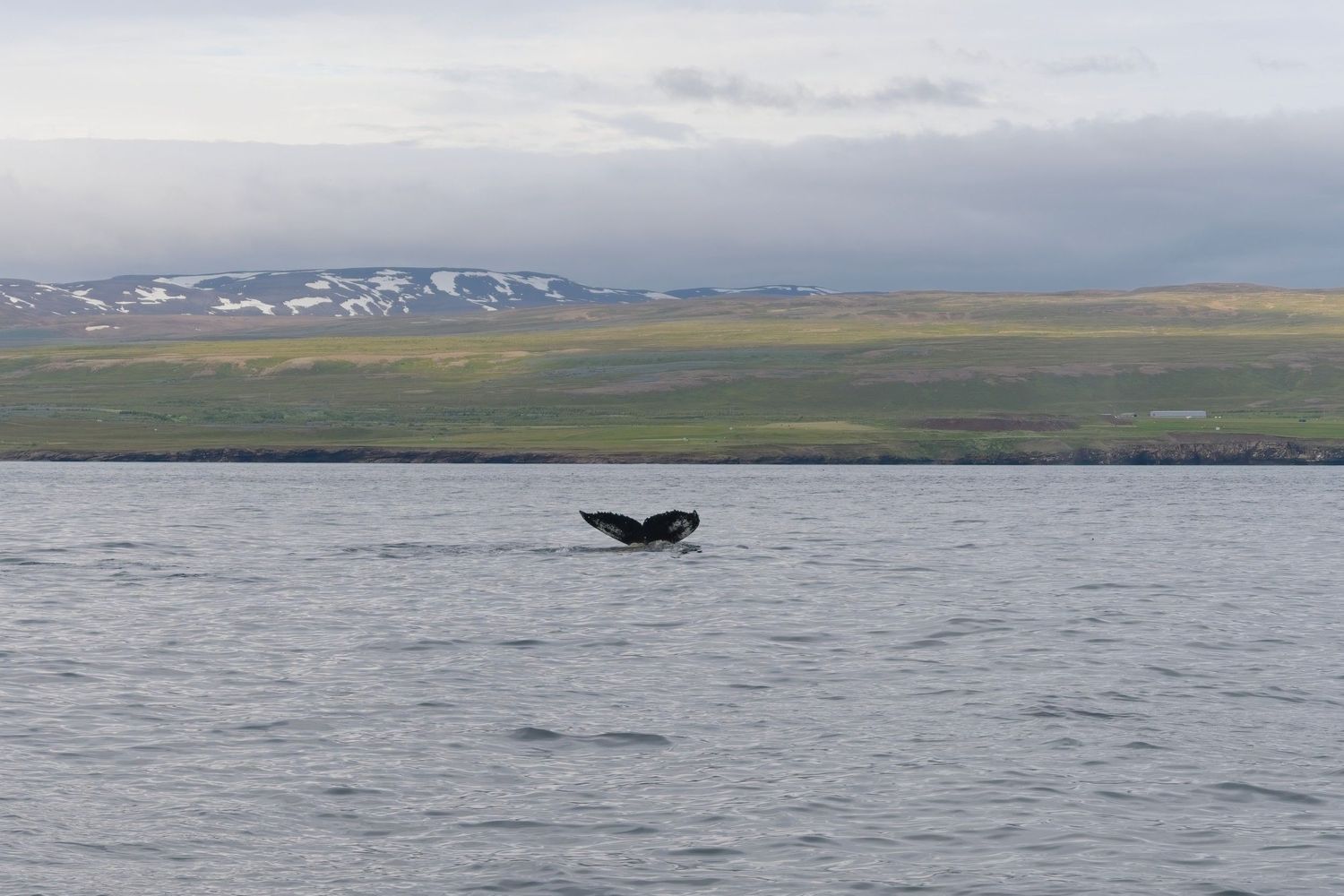
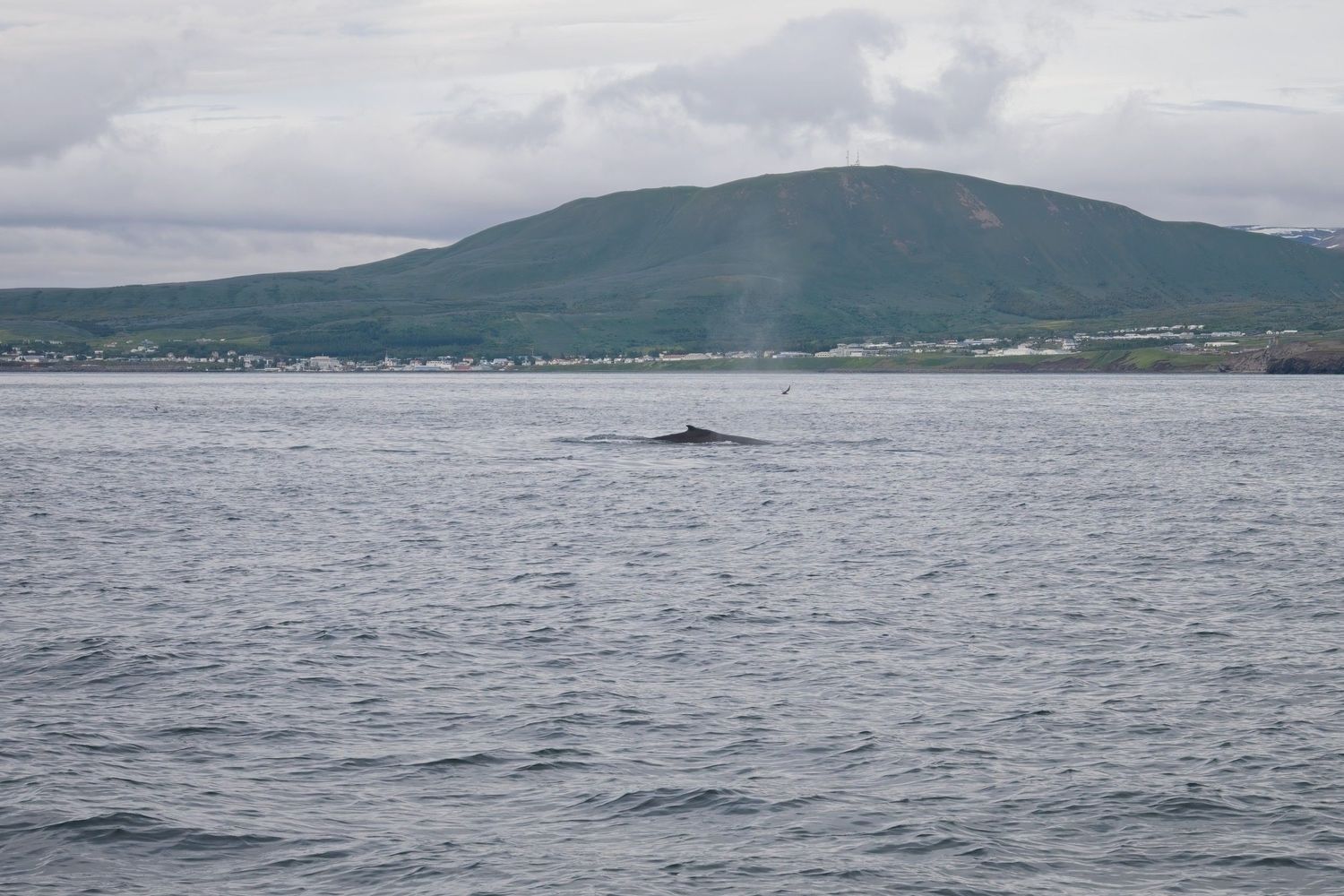
Since this was also a science tour, we also dropped the manta trawl into the water and sailed in a straight line, at 5 knots, for 30 minutes to collect as much plankton or microplastic as possible. We did that while watching the whales around the boat. It was calm and my sense were sharper than ever before — listening to every single noise of the waves, the whales and the birds. I felt so connected with the ocean and I felt like the rest of the journey would be incredible!
Near midnight, we went back to town, where we moved onboard Tilvera, a beautiful sailboat owned by Belén and Heimir, the captain who will be with us on the sea in the coming days.
Day 2 - Learning for the Ocean
I woke up exhausted from the day before. Not because it had been physically hard, but because I’d felt a bit seasick towards the end of our trip at sea. However, after a good breakfast of cereals, bread and fruit, I was ready for a new exciting day. This second day of the program promised to be just as exciting as the first. We wouldn’t go back out to sea — even though we were now living on a boat — but we would spend the day learning: diving deeper into the issue of plastic pollution and discovering the local perspective on the Hope Spot and what it means to Húsavík’s community.
We started with a presentation in the Ocean Mission office, by Apostolos Papakonstantinou, the co-founder of SciDrones. These drones are part of the ICEBERG Project which uses aerial imagery to detect marine litter along Arctic coastlines. It helps identify the hotspots and guides local communities to clean them up more efficiently. Earlier, I mentioned how multiple cameras are used to capture litter from different angles — this is what makes it so effective. It’s also a way for local communities to get involved in protecting their environment. So far, they’ve mapped over 2.4 million square meters of beach and tracked thousands of plastic items using AI-powered tools. Ocean Missions is taking part in this project and has now access to a drone to conduct aerial surveys of beaches around Húsavík.
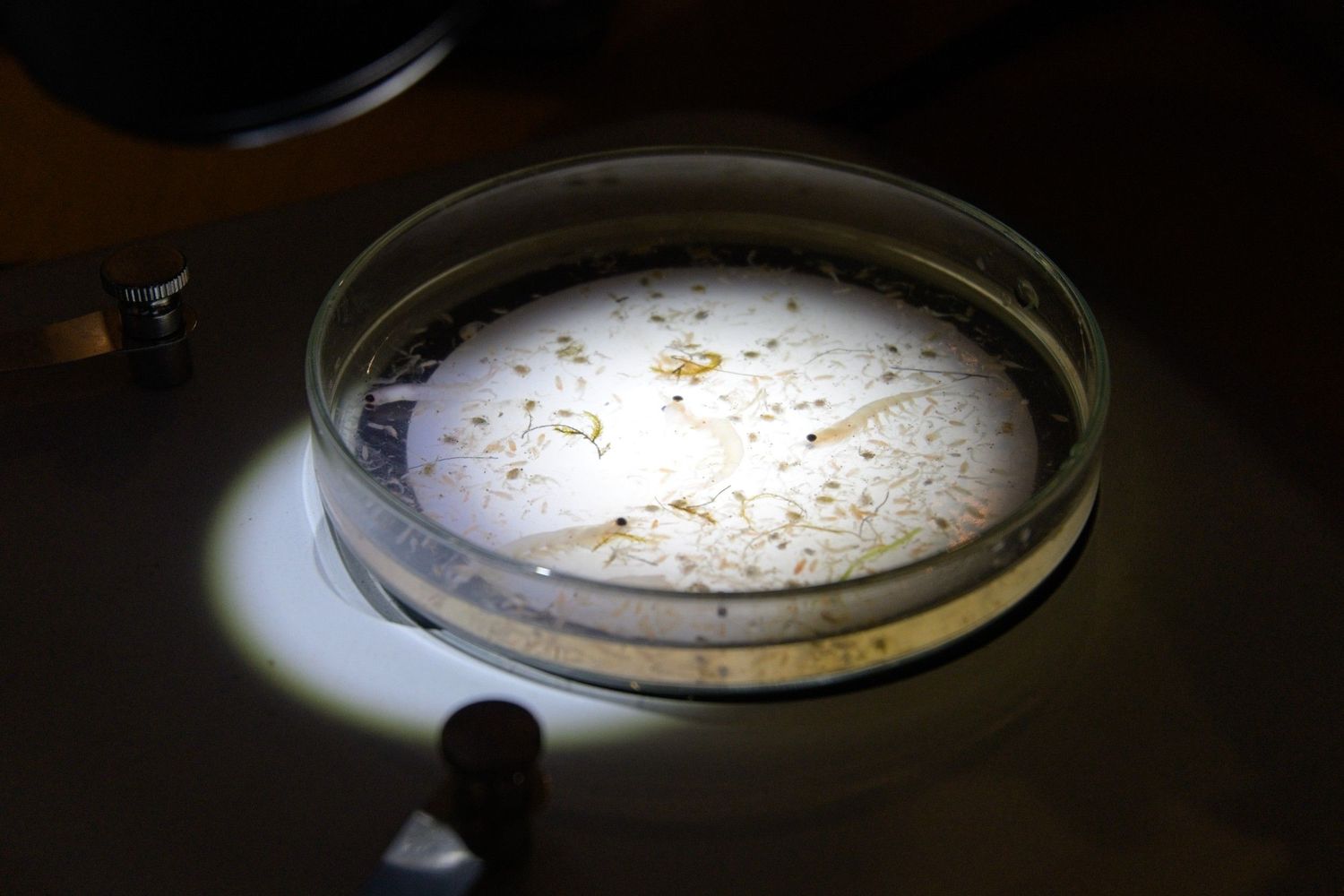
Our second activity of the day consisted of the analysis of what we took in the manta trawl the day before. We collected plankton from the surface layer, which can help researchers determine the health of the water and understand what whales are feeding on. Plankton are very interesting creatures. I thought it was much smaller than this, but zooplankton are actually visible with our naked eyes. We collected krill and copepods — both small crustaceans, with copepods being a key component of zooplankton. They feed primarily on phytoplankton, microscopic plant-like organisms also generating a significant portion of Earth's oxygen. These small creatures serve as essential food for larger aquatic species and help move energy and nutrients through the ecosystem. Our sample also included crab larvae, which are part of the zooplankton community in their early life stages, floating freely with the currents before eventually settling on the ocean floor. Now, every time I will swim into the ocean, I will think about these tiny organisms floating on the sea all around me, but invisible until you pay close attention or collect a water sample.
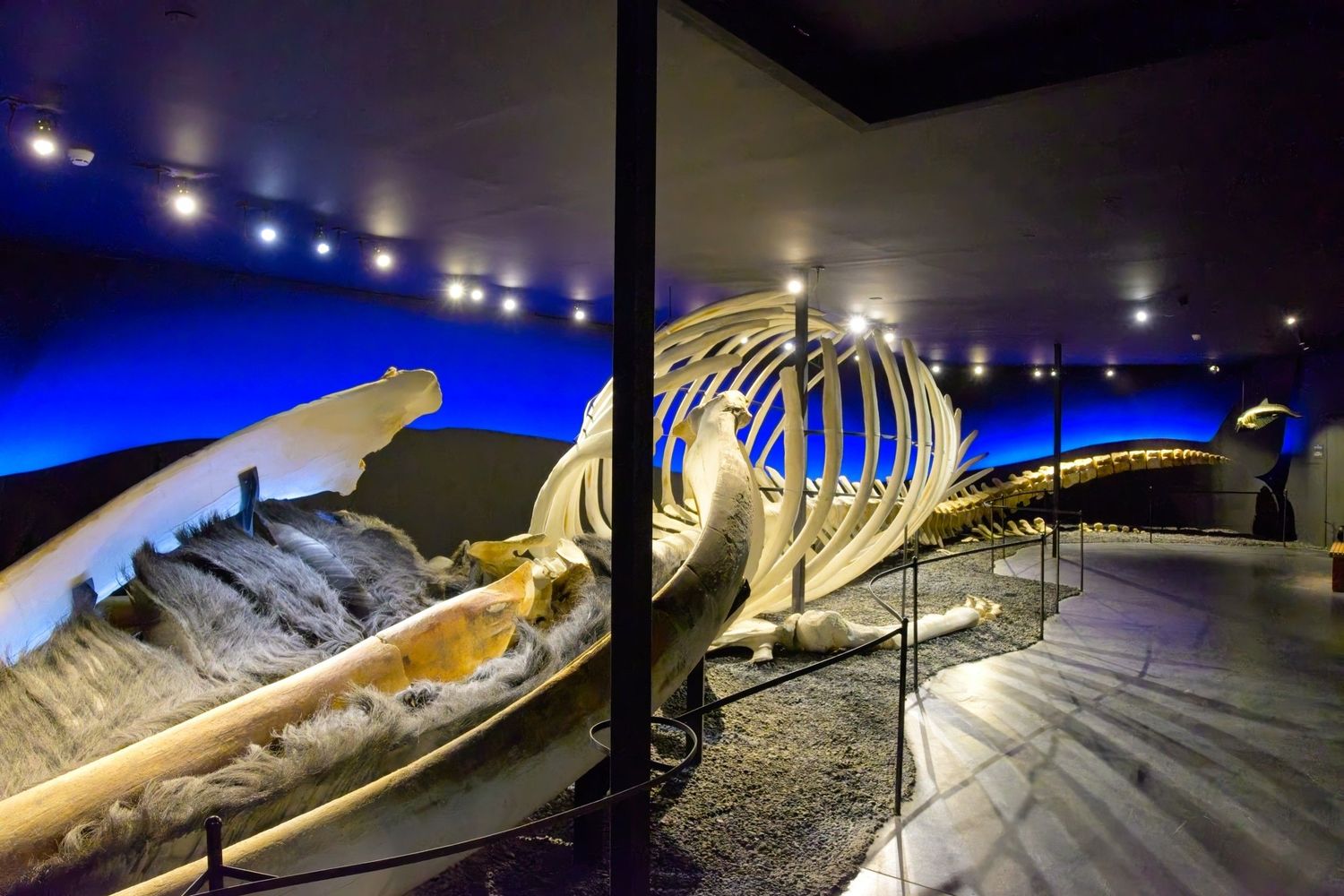
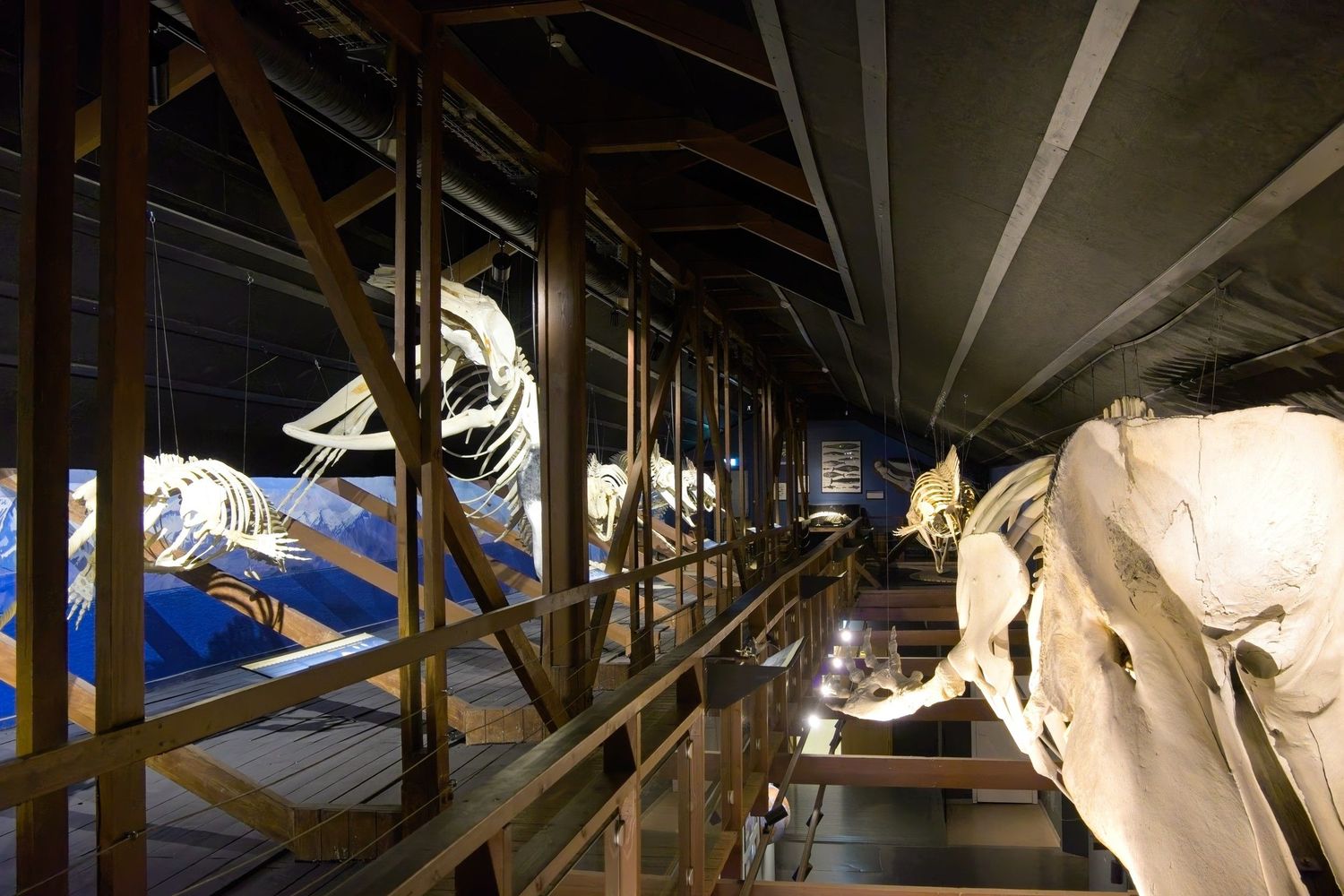
After this activity and a great lunch on the boat, we visited the Húsavík Whale Museum. We were guided by an incredible teenager, full of knowledge about whales in Iceland and the whaling history of the North. The museum itself is beautiful and in comparison, the one in Reykjavik feels rather underwhelming. Here, you can see real cetacean bones instead of plastic reproductions. During our visit, we learned how whales communicate, that their sense of touch is incredibly sensitive, we even saw a life-sized heart replica as big as me and we learned about the cycle of life between plankton, whales, and yes — their poop, which acts as fertilizer for phytoplankton and helps them grow. One of the highlights is a rare blue whale skeleton that makes you feel small standing next to it. The museum also dives into the history of Northern Iceland and its close connection to the ocean and whales. Whaling wasn’t originally a business; it was a way to feed families. That changed when Basque whalers came and began hunting whales aggressively. This led to a small conflict known as the "Butcher of the Basques", in which the Icelanders came out victorious. After that, the Basques never returned.
Overall, it’s a great museum for learning more about whales and the deep ties they hold with Icelandic culture.
If you think it was all, you are wrong. Later, Belén gave a presentation about the local perspective of the Hope Spot. We learned that a majority of the people are conscious about the importance of a healthy ocean for the community. Whether it is for tourism, via a more sustainable approach, or fishing, the benefits are real.
After that, we did a bit of art with some detritus we found on the beach. Buoys, boots, plastic junk, ropes, etc. Everything was available to us to express ourselves. Other than photography, I'm not an artist. However, I did something that represent an anemone in the ocean depth. We all did something representing the whale, the ocean or the majestic mountainous landscape. After this workshop, it was time for the dinner and free time before going to bed for the night.
Day 3 - The Stories Within
The third day was a continuation of the previous day, where we would learn from a lot of different topics. We started the day with a presentation by Charla, a marine biologist and whale researcher, about the different species of whales, dolphins or porpoises we could see in Skjálfandi Bay and Eyjafjörður.
We learned that in the recent years, there have been a shift in population between the humpback whales and the minke whales. I don't think they know why, but it's something they are monitoring. We were also shown how to identify individual whales:
- The minke whale can be recognized by the white contrast on its dorsal fin. (79 individuals identified)
- The blue whale as some marks and patterns on the body. (178 individuals stopped in Iceland to continue in the Arctic in 2022)
- The humpback whale can be identified by its fluke. (There have been 1271 individuals recorded from 2001 to 2024 — mostly juvenile of 10m long. About 100 to 150 are identified each year)
We also learned that 25% of the whales in Iceland have been entangled, which made me realize how little I thought it was a problem. We need to find solution and find alternative to those massive fishing nets causing damage to this fragile ecosystem. We need to do things smarter, in symbiosis with the environment and not in conflict with it.
After that, we went to the research center, where we met with Alli, who's doing research on the plastics in the population of fulmars. These birds look like seagulls, but they aren't. Fulmars are actually part of the petrel family and spend most of their lives at sea. Alli explained how they’ve become key indicators of ocean health because of their habit of ingesting plastic in the environment. Unlike many other birds, fulmars don’t regurgitate plastic or other non-edible items. Fortunately, the plastic is breaking down with time and when smaller than 1mm, it goes through the digestive system.
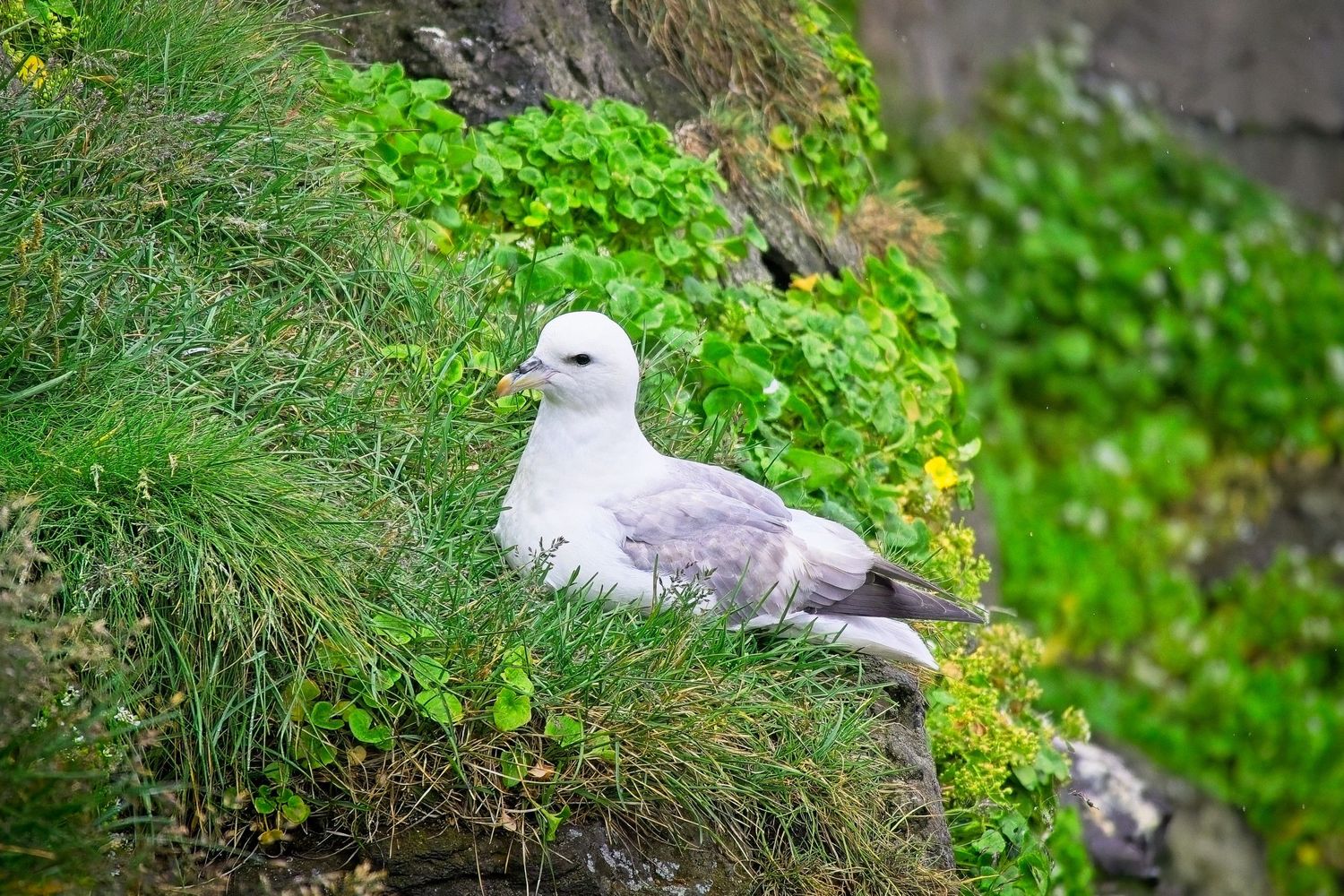
The research started in 2018 by the Northeast Nature Research Centre and the goal is to have less than 10% of the population of fulmar having more than 0.1g of plastic in their stomach. Last year, 16% of the population had more plastic than that. More work needs to be done, but Iceland is very clean in comparison with other Northern European countries.
It was also very interesting to learn how they are tracking the birds with a collar using the sun to locate approximate longitude and latitude of the bird. All without GPS! The data can be viewed on the Seatrack website.
Afterward, we visited the Húsavík Museum and explored stories about the first settlers of Iceland. Interestingly, there’s still a gentle debate over who arrived first between the inhabitants from the North and the South. The museum has an incredible collection of artefacts and old wooden boats for its marine history. We also saw a replica of a strange creature — which is a bit like a headless pig with whale skin — coming from the folklore of the inhabitants back in the days.
To end our final day on land, we went back to the Whale Museum to watch a film name "Arctic Mirage - Echo from the North" by Tristan Visser, a Dutch man who played music for the whales. It was a fantastic film and after that, we met with the artist on our boat where we discussed about its inspiration and many other things.
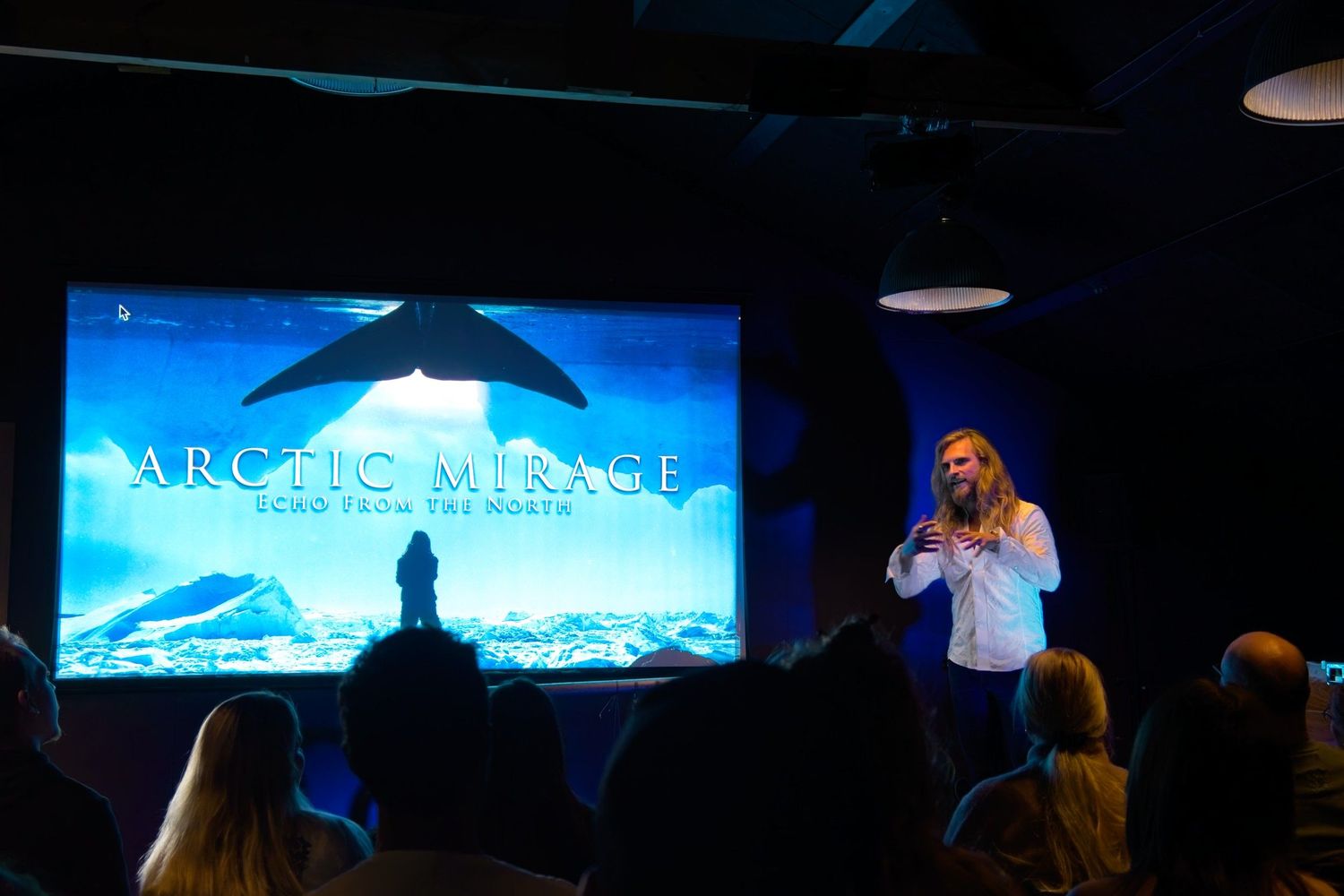
Arctic Mirage is a very inspiring movie about how a small thing, like an old cassette recording of a whale song, can evolve into an adventure of a lifetime. Accompanied by live music performed by Tristan, I was completely immersed in the story like never before. The music introduction we listened to bring me so many emotions. It was calm, yet surprisingly deep. I closed my eyes and felt so close to nature — the sound of the whale, the wind, and the sea — like the beginning of something unique, a journey to the unknown.
Then, the film started, and we saw how a crazy idea can turn into the most beautiful experience someone could live. Tristan sailed through the Arctic, on a simple sailboat, to find the bowhead whales, the ones singing on the old cassette he received. Through the connection with the locals in Greenland, or other parts of Northern Canada, we found how music is important to bring people together. It created another layer of authenticity, because what began as a mission to find a song turned into something much deeper—a shared story between cultures and traditions, oceans, and generations.
By the end, we almost forgot about the original goal of this expedition in the arctic, until a magic encounter with a large population of bowhead whales.
I will never forget this movie. It was meaningful and true in emotion.