After several days exploring Húsavík and learning about the Hope Spot, the town's rich history and the wildlife we were about the see, I felt confident that participating to this expedition was the best choice I've ever made.
At first, I hesitated. It was expensive, by far the most expensive trip I’ve taken. But once I met the Ocean Missions' team and the other participants, everything changed. I felt at home: a place where passion radiates from everyone around you, and where you can simply be yourself — without a mask. I realized that happiness comes from small things that align with your values.
Day 4 - Sailing to the Puffins
We woke up with excitement. It was our first day at sea, and the sun was shining, probably the only full day of sun we had during the whole trip. For some of us, it was our first time sailing. For me, it wasn’t, but it was my first time aboard this kind of boat, and the most time I’d spent on the water. if we put aside a cruise I did when I was much younger.
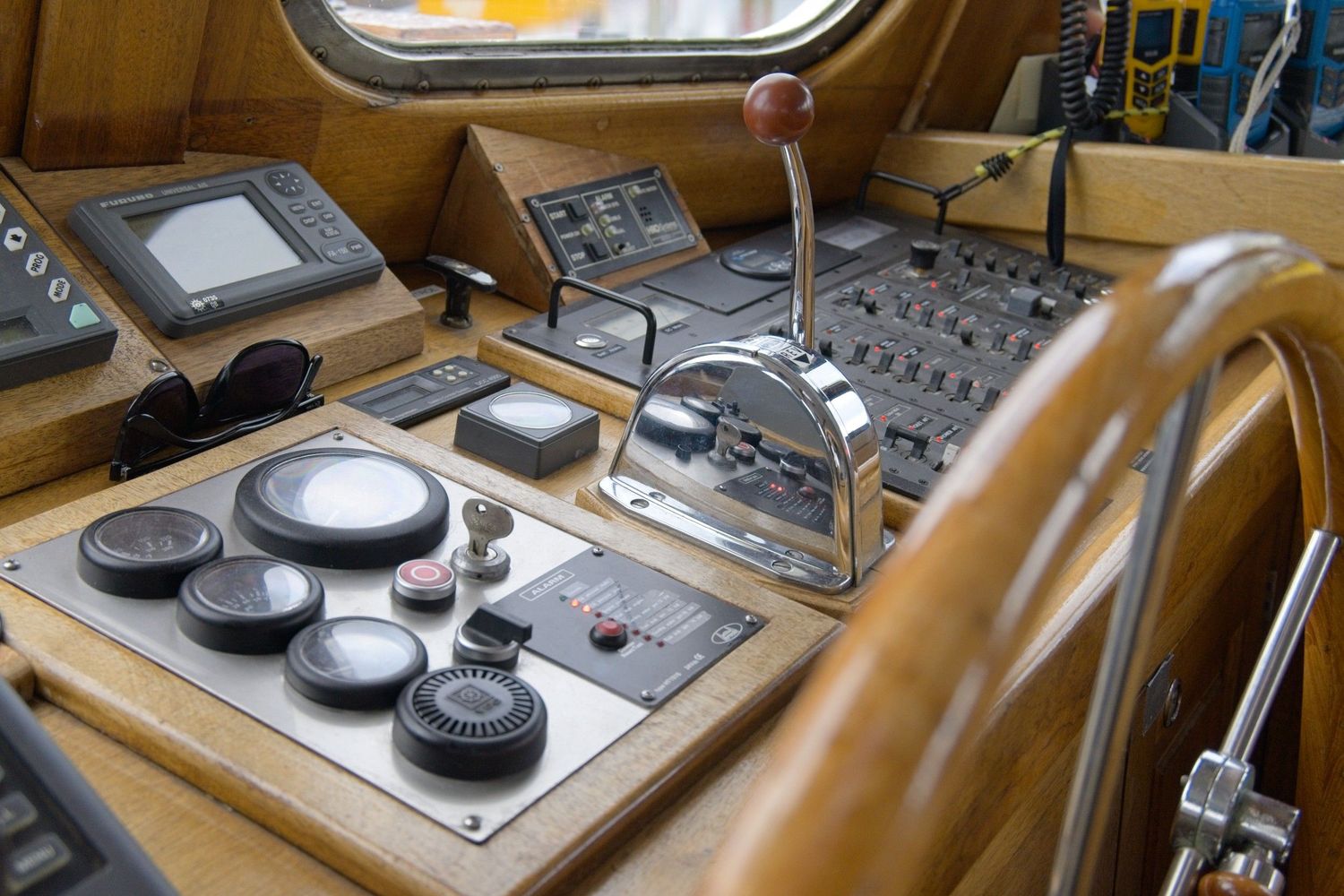
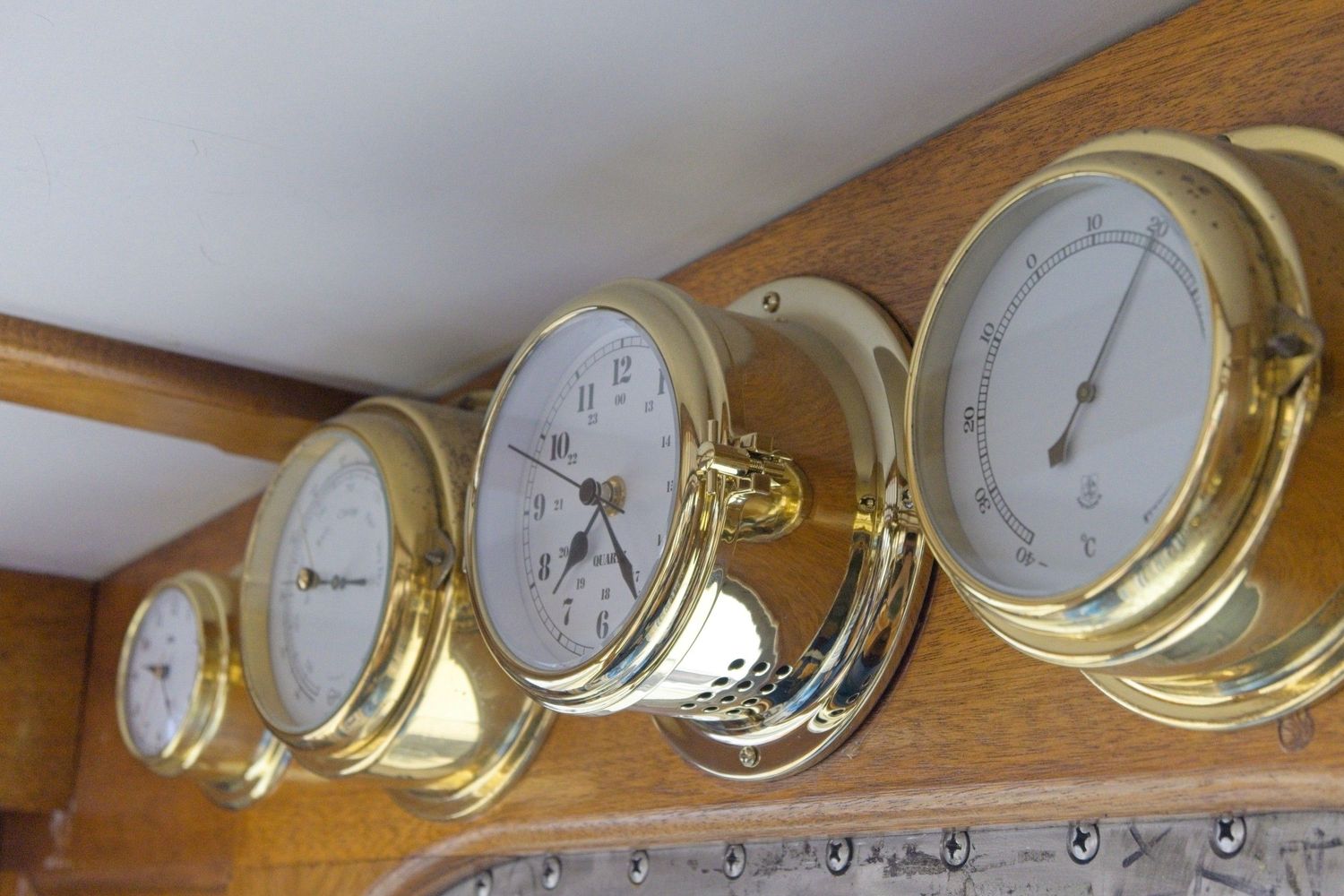
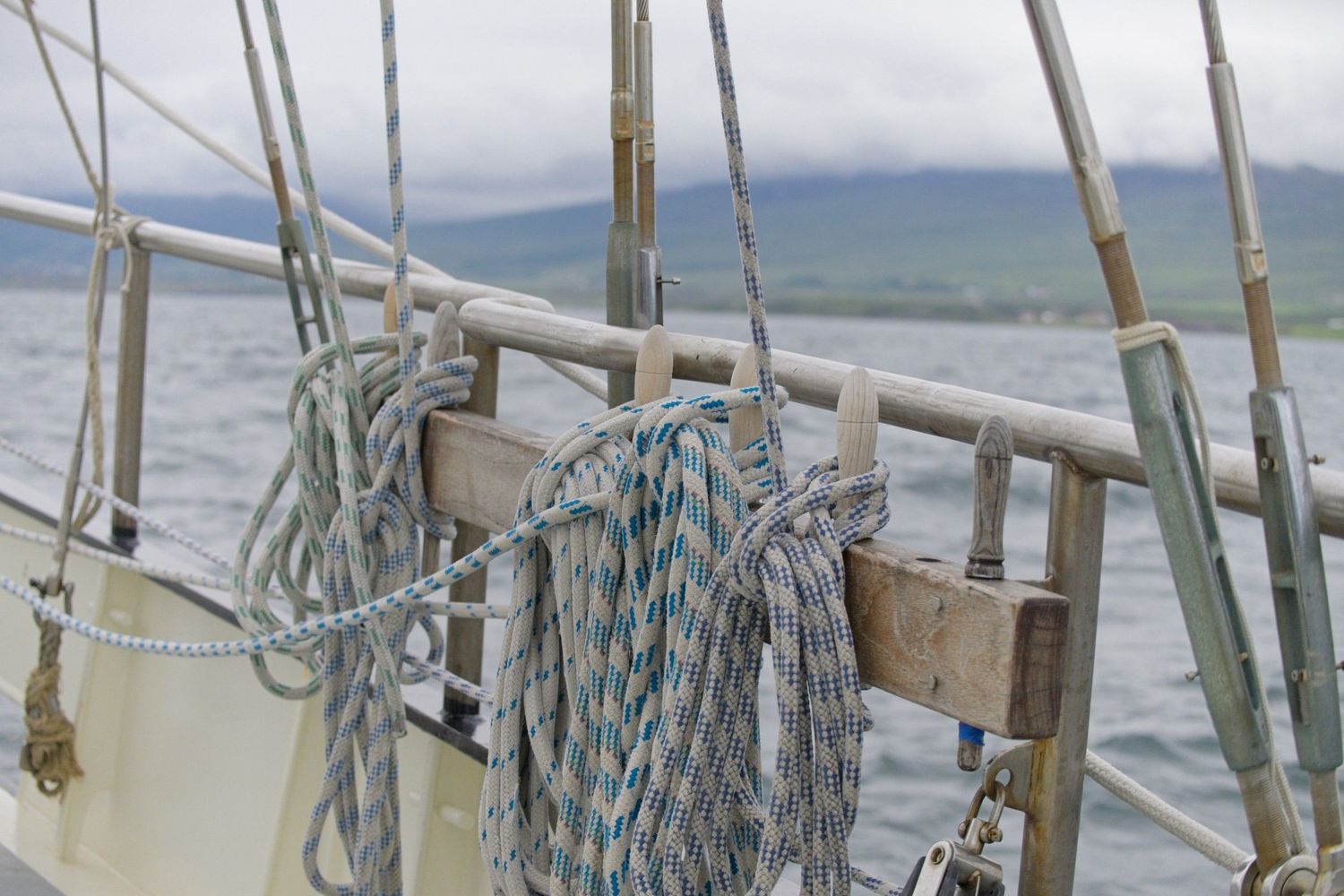
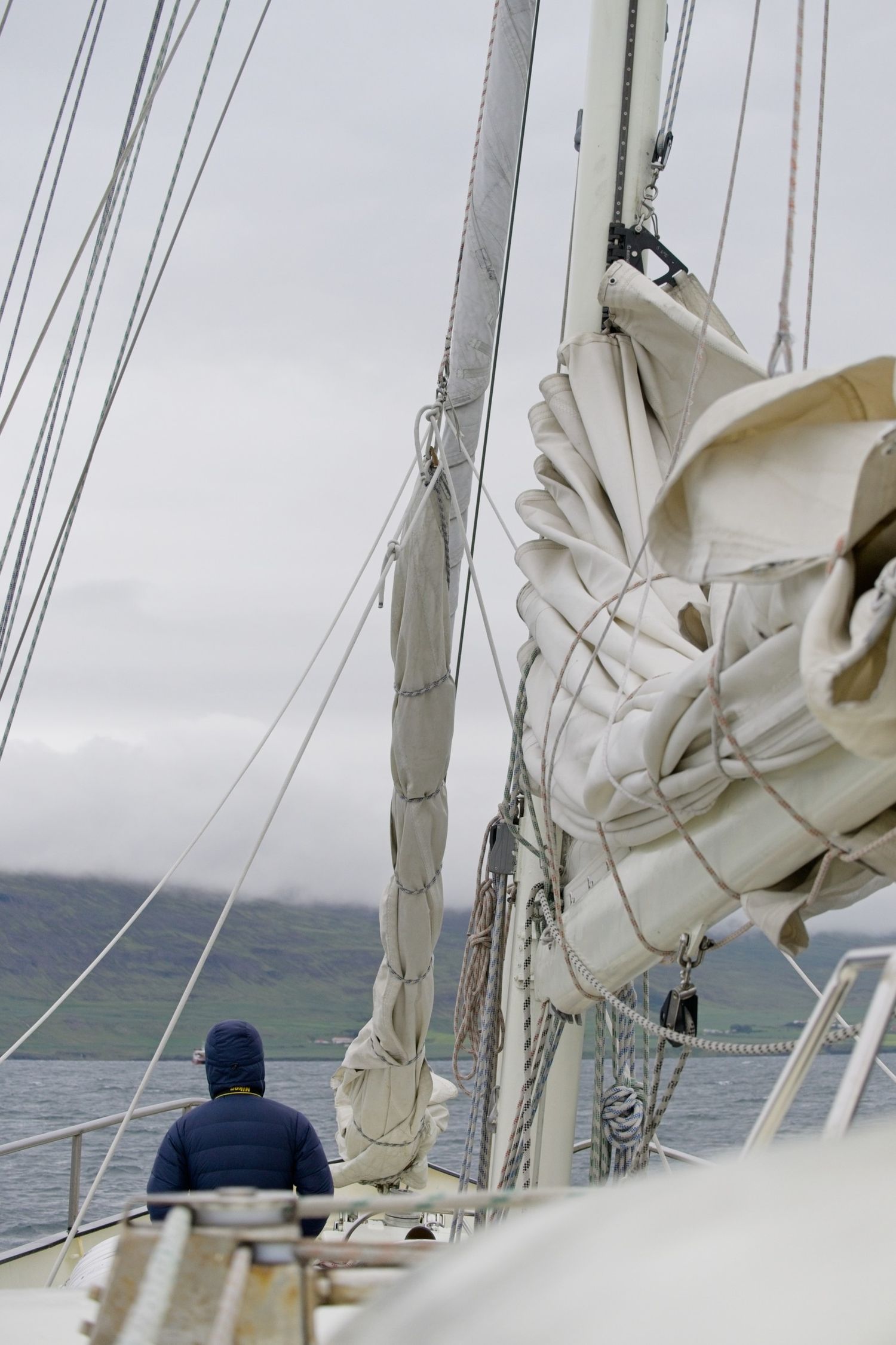
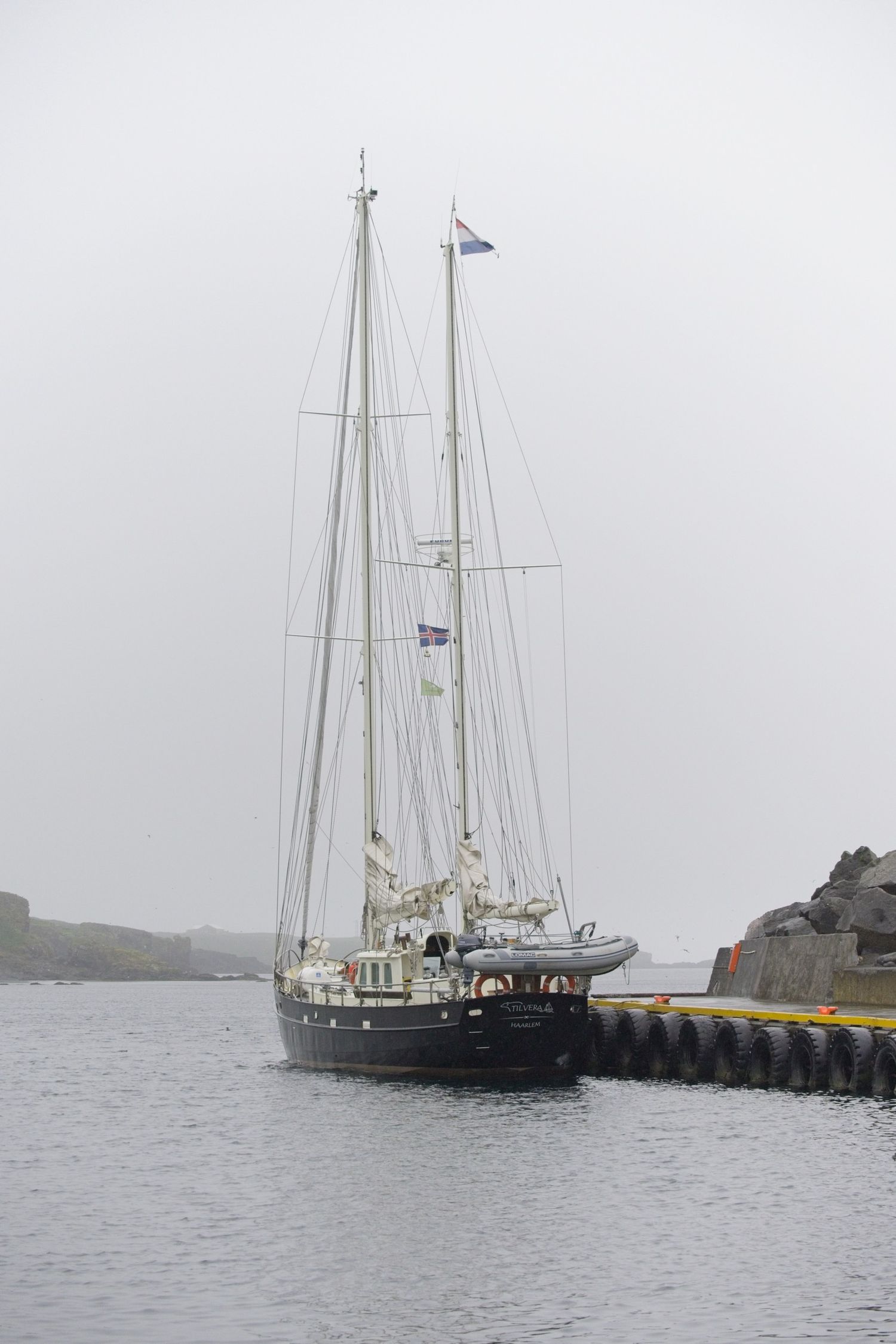
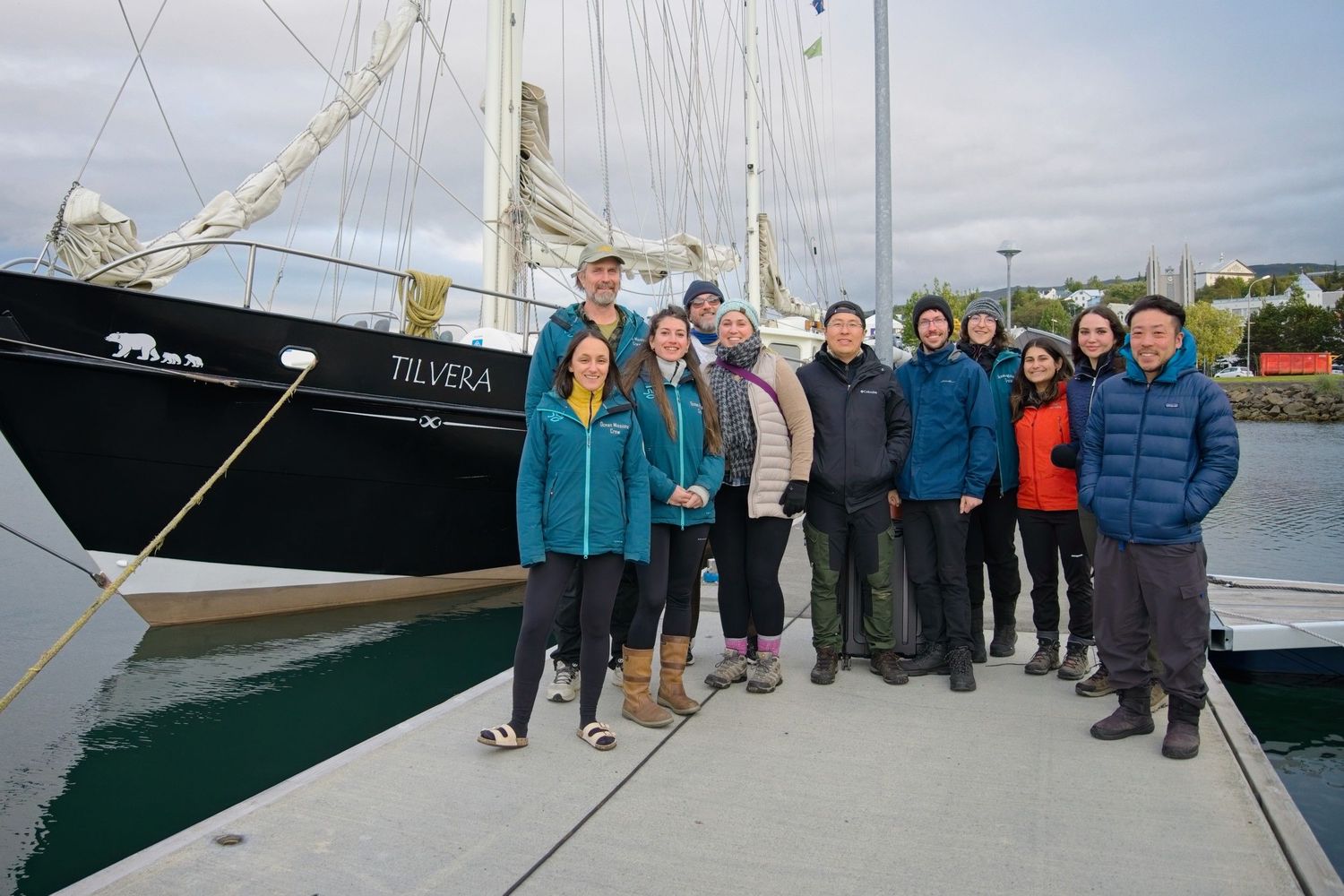
The boat, Tilvera, is a beautiful 22-meter-long expedition ketch. The previous owners had sailed her around the world several times, which made her the perfect vessel for Belén and Heimir.
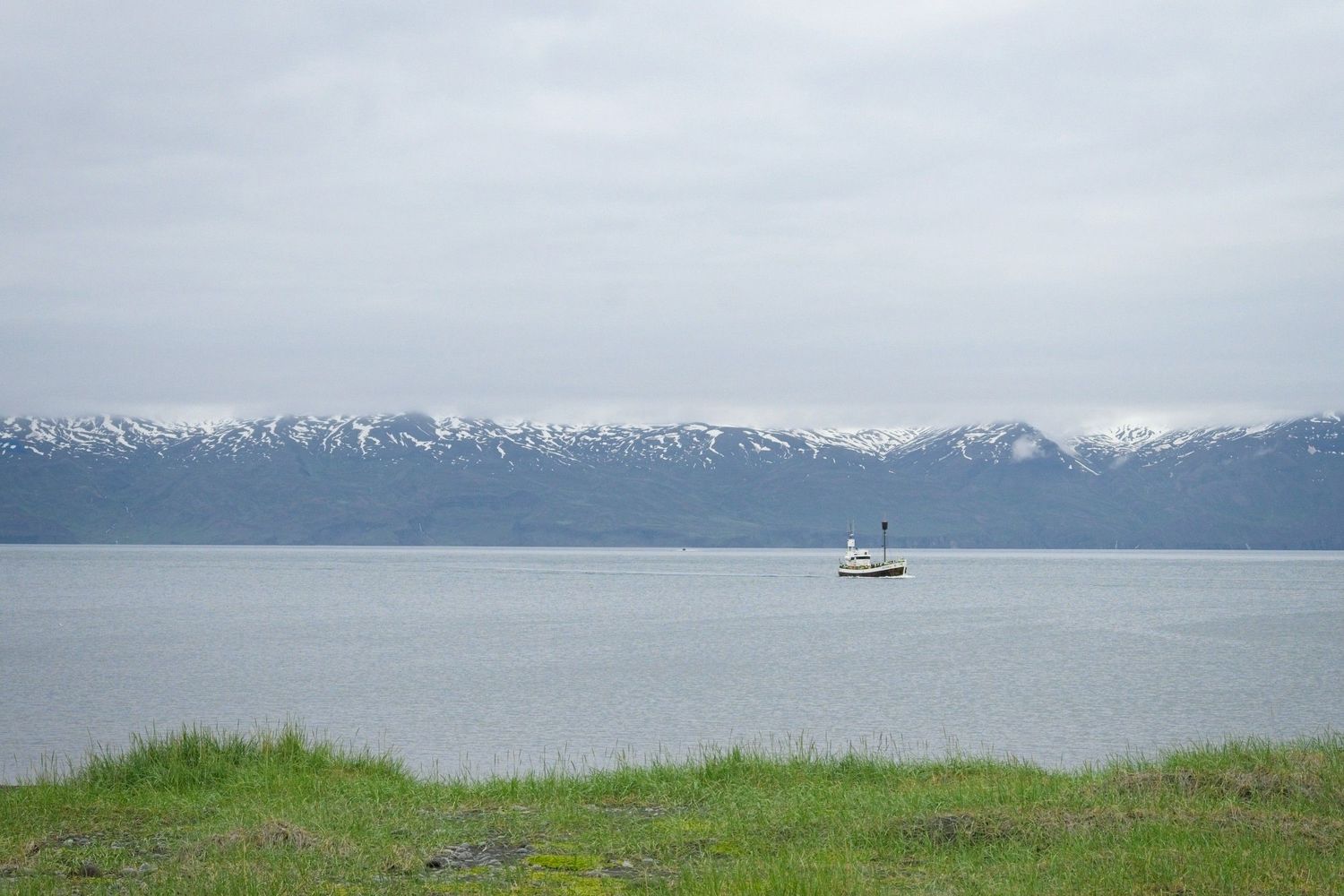
After being stuck on the dock for nearly 15 minutes and refueling — yes, we were genuinely unable to move — we set sail north of the town. The sea was quite calm as we observed the beautiful cliffs on our right side. We saw the orange-painted lighthouse above and the warm water going down from Geosea — a spa with a view on the fjord — as small waterfall.
After an hour, or what felt like it, we arrived at Lundey Island, which actually translate to Puffins Island in Icelandic. As you can imagine, this small island is home to hundreds of thousands of puffins and other seabirds.
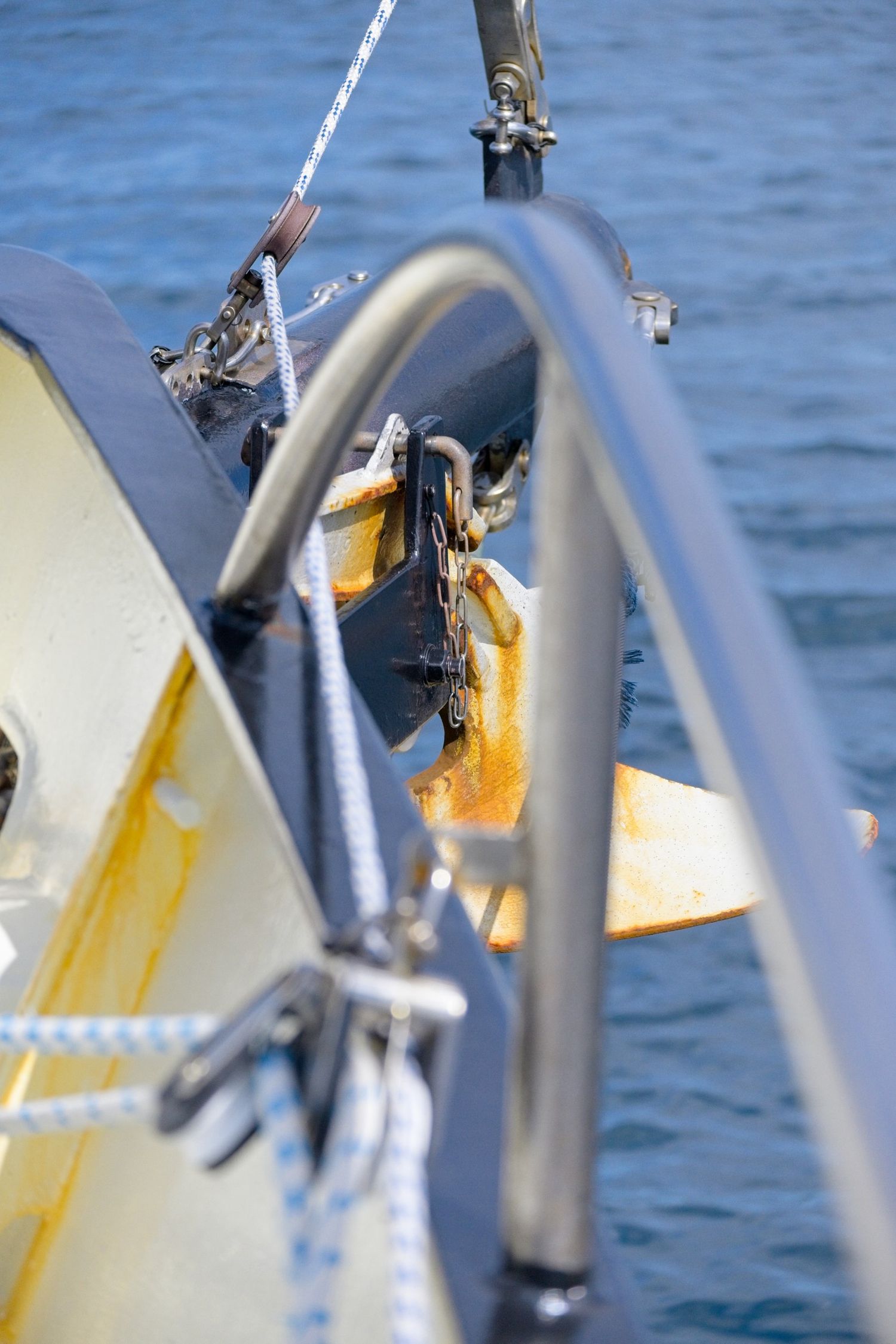
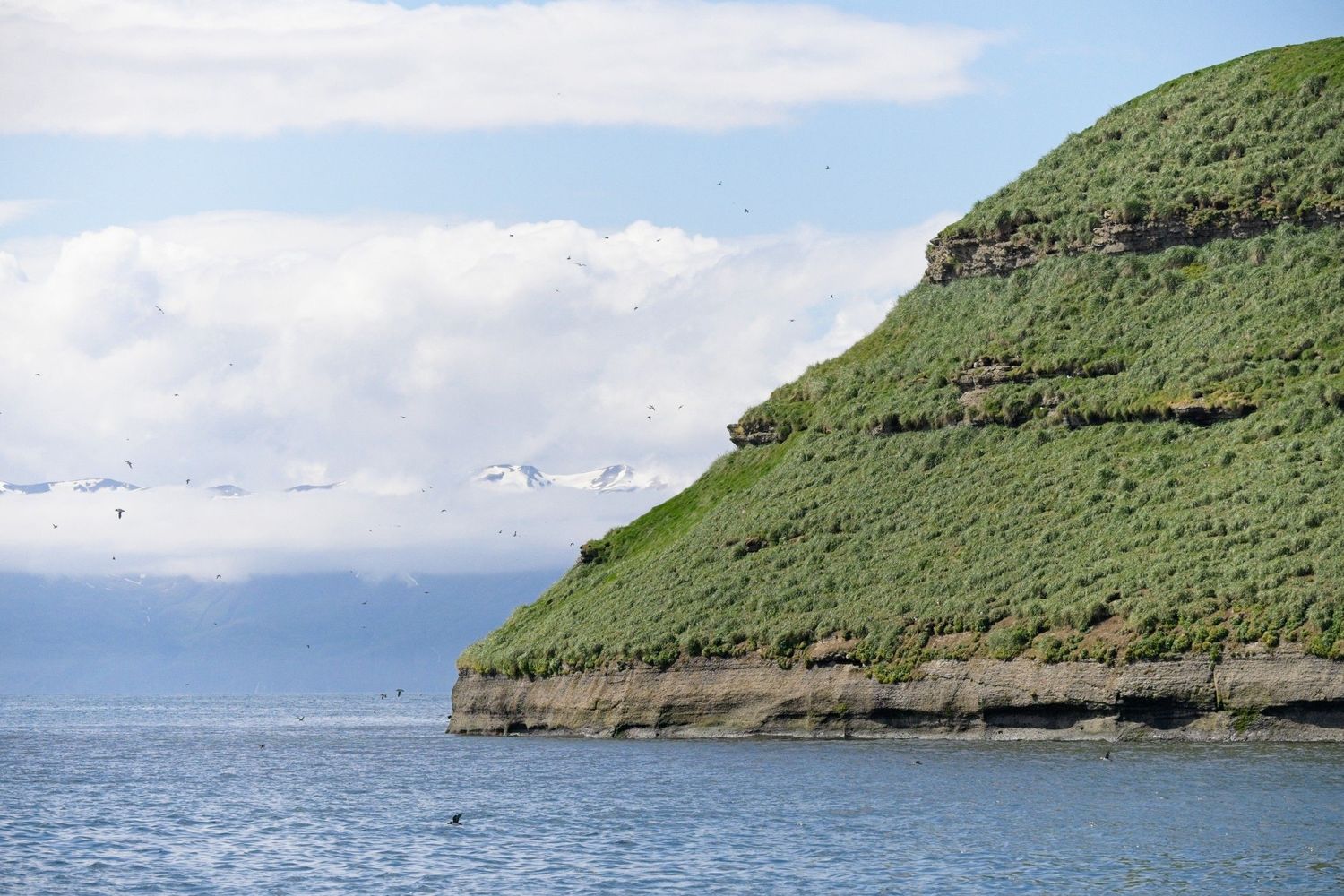
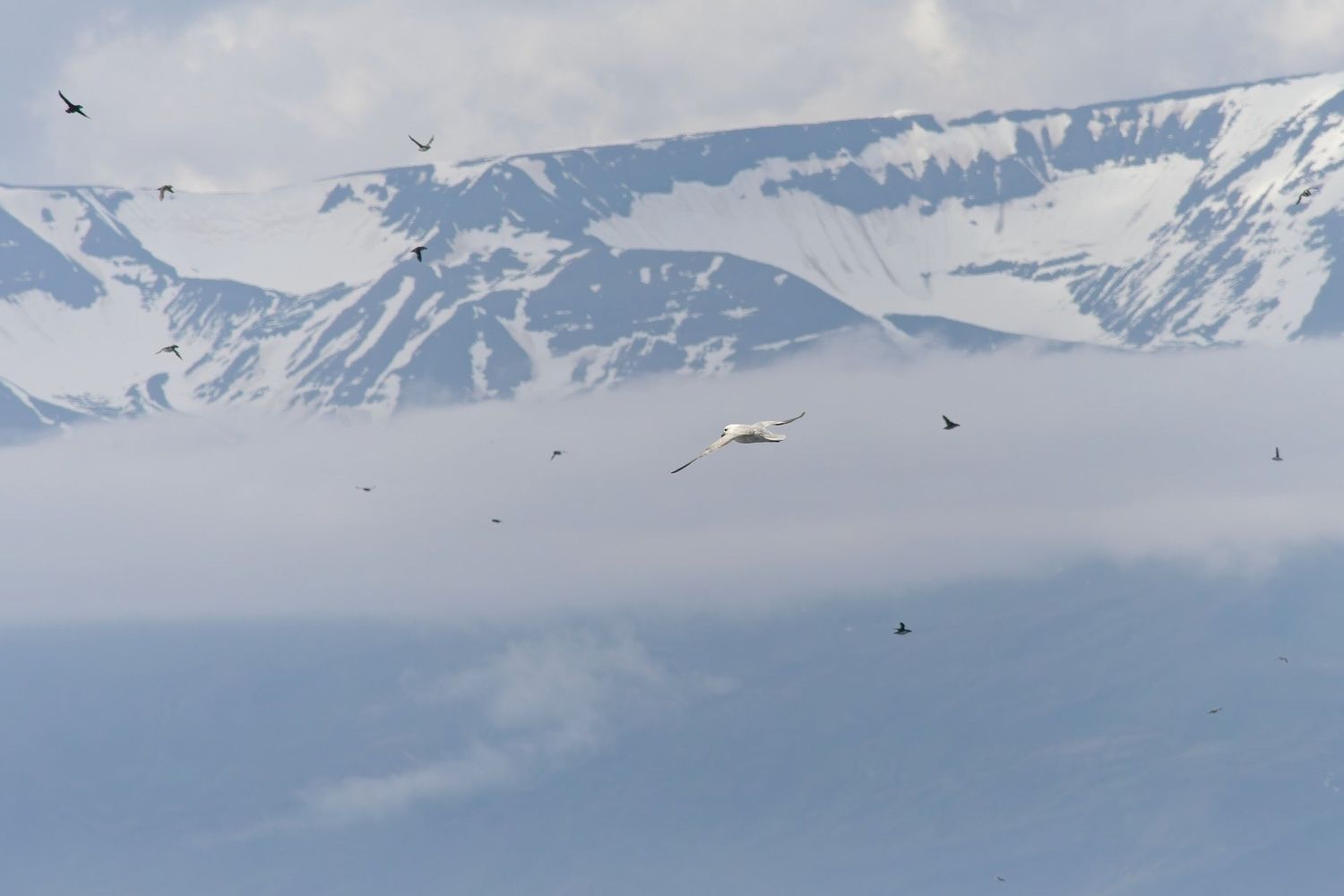
The sight was breathtaking. Birds filled the sky around us, flying to and from the island where they nest. We dropped anchor nearby and allowed ourselves to simply be present — listening to the waves crash against the rocks, the wind blowing on us, and the chaotic chorus of birds. Puffins, especially, make bizarre and funny noises, which somehow added charm to it.
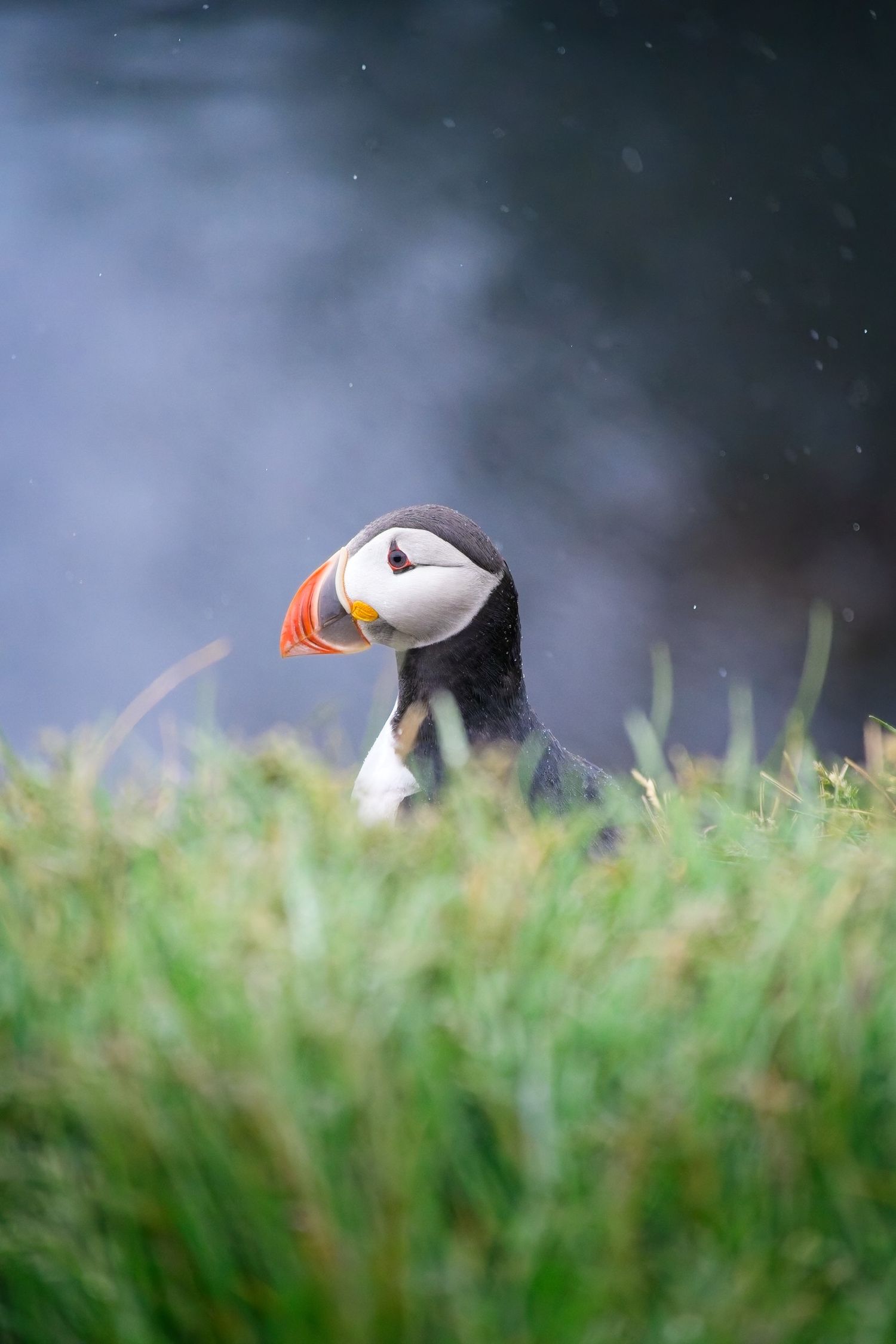
As far as I remember, even though I had seen puffins before in the eastern fjords of Iceland, it was my first time seeing so many flying together at once. They look like little flying penguins, flapping their wings endlessly and very fast. We also had moment where we laughed at their indecision — caught between diving and flying — leading to multiple moments where puffins just bounced off the water, skipped over waves, and did everything except fly smoothly. Moments we would see multiple times during this trip.
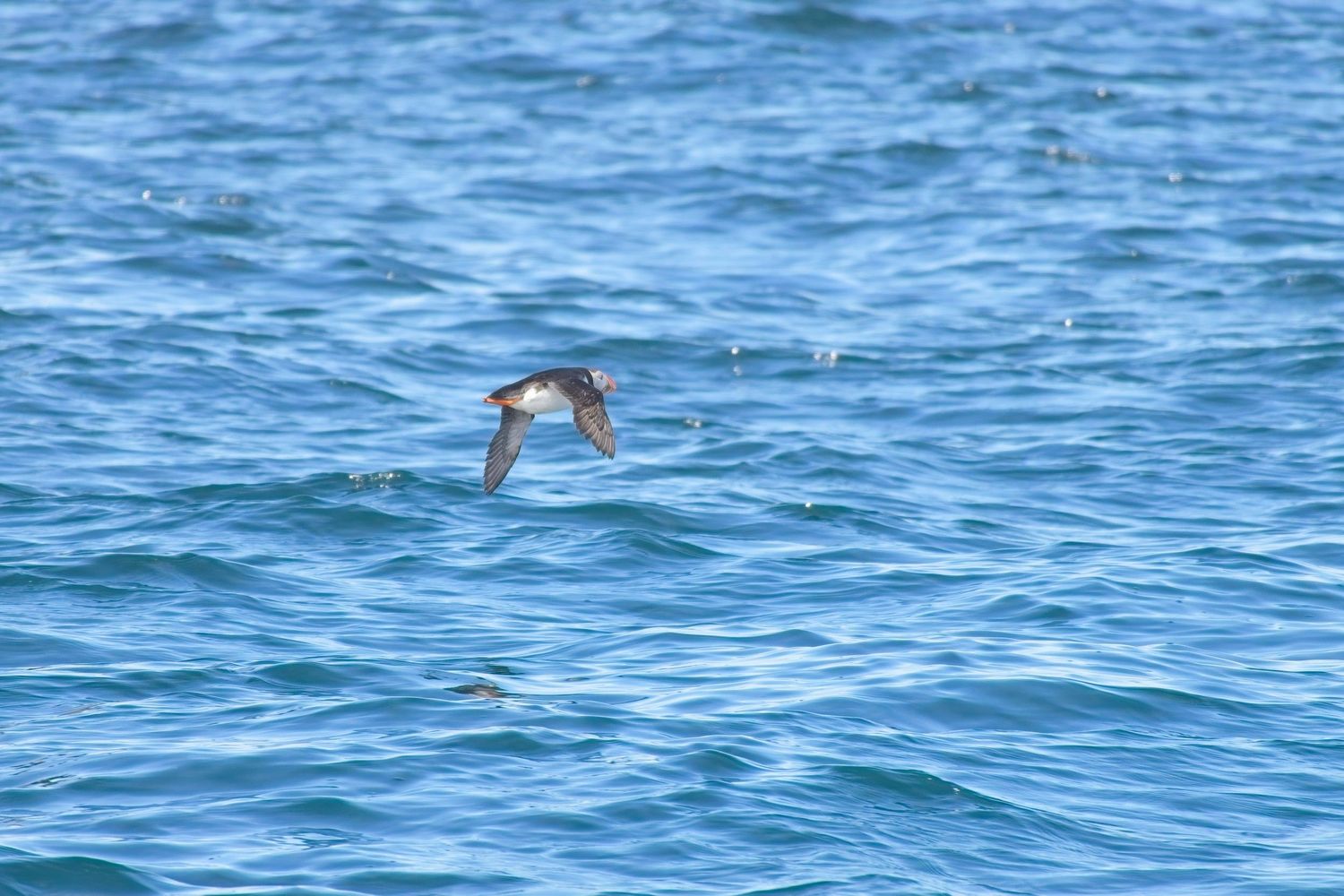
After soaking in the magic of hundreds of birds swirling around us and taking it in, we set sail to our final destination of the day: Grímsey.
We left the bay behind and started our journey in the open sea. With the sun high in the sky and a favorable wind, it was time to raise the sail. Nothing feels better than being pushed by the wind and rocked by the waves. However, my body wasn't ready for the movement of the boat, going up and down. Despite taking medications and following all the advice you can find online, like looking at the horizon or staying in the middle of the boat, I ended up seasick.
I was K.O. for the next hours, lying on my back and with my eyes closed. It was the only way I could feel a little bit better. It's not an advice you hear often — and I'm not even sure it officially exists — but lying down changed my perception of the movement. Instead of standing up and fighting to stay balanced, I was simply following the boat's rhythm without resistance. And with my eyes closed, there was no conflict between what my inner ear felt and what my eyes could see, which is usually the reason people get seasick.
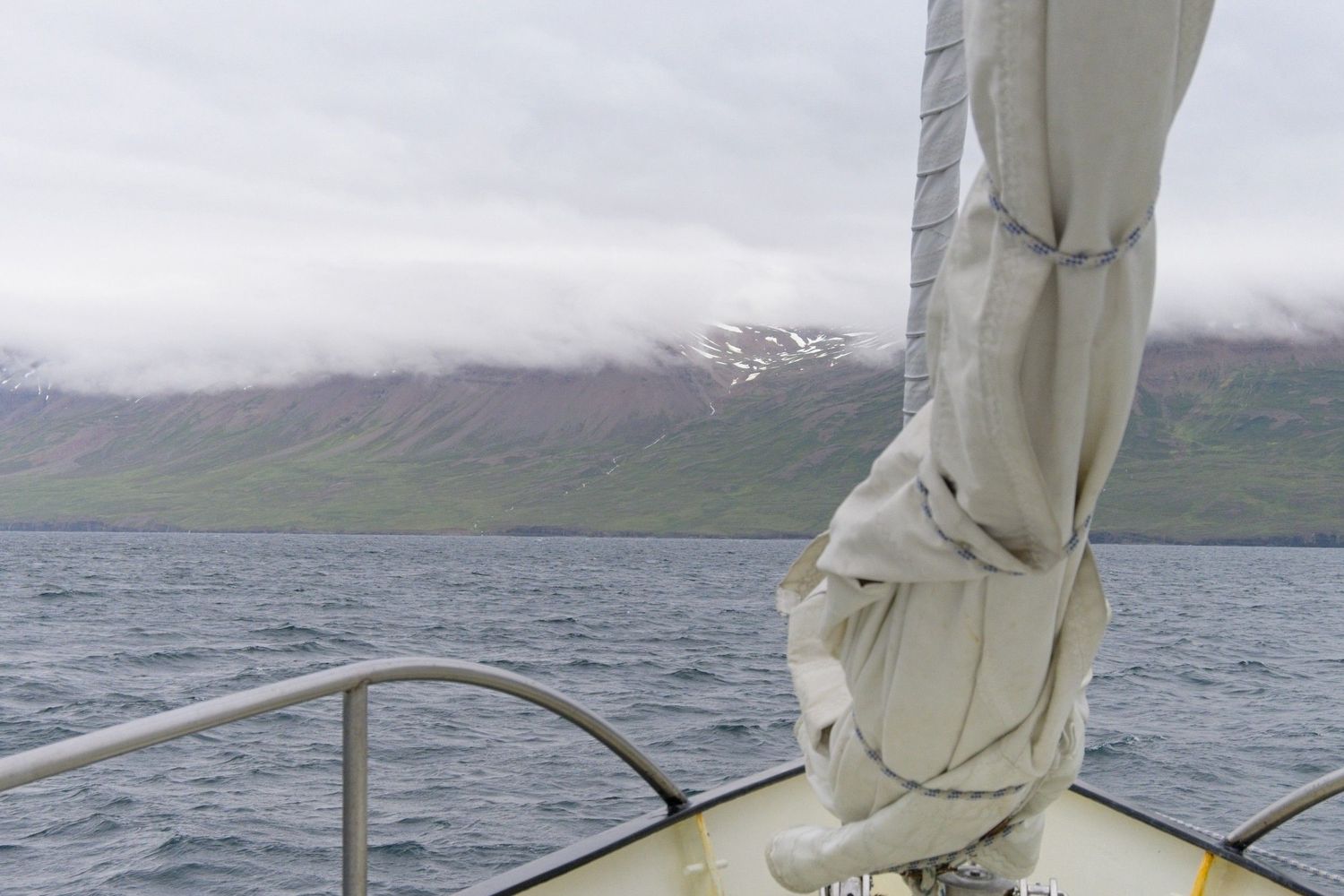
On our way to Grímsey, I don't remember very well, but I think we encountered white-beaked dolphins close to the boat. Later, a thick fog settled in, turning our crossing into something more mysterious — and a little more hazardous, too. As we approached the island, we couldn’t see anything ahead. We had to rely entirely on our compass and the onboard GPS. Gaia took the helm for a while, while Belén and Heimir lowered the sails.
We finally arrived at Grímsey, and I still felt a bit all over the place. I couldn't eat anything that evening and went straight to my cabin, where I felt asleep in an instant. What a wonderful night it was!
Day 5 - Grímsey
The next morning, it was still foggy outside, with the addition of a light rain gently falling. After breakfast, I grabbed my camera and a rain jacket, and we headed out to explore the island and its rich seabird's population.
Grímsey
Grímsey is a small island of roughly 5.3 square kilometers, located 40 kilometers from the north coast of mainland Iceland. Fewer than a hundred people live there year-round.
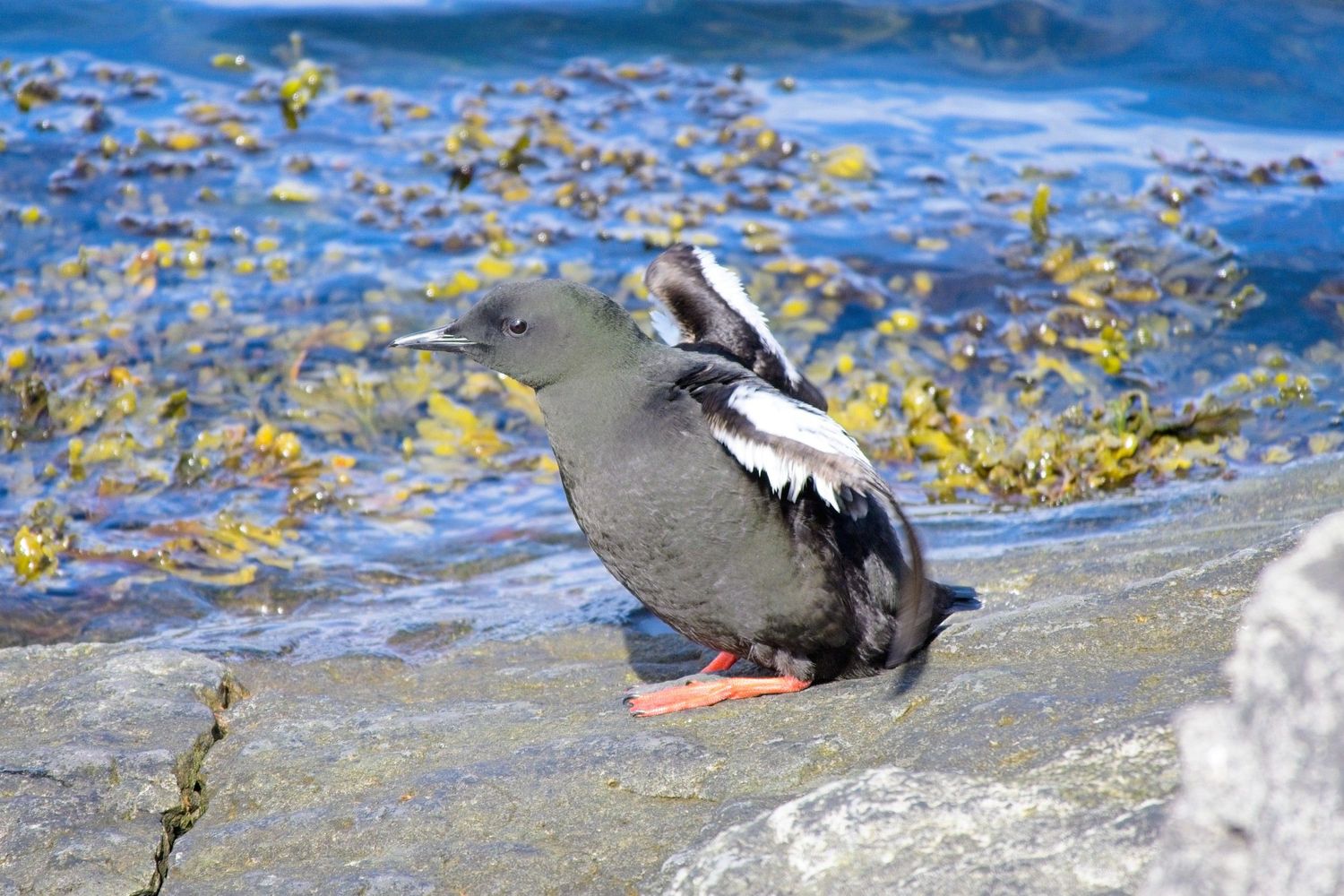
The Arctic Circle runs through the northern part of the island. Grímsey is also home of one of the largest Atlantic puffin's colonies in Iceland and is a popular breeding ground for many seabirds like the lack-legged kittiwakes, the Arctic terns, the fulmars, and both common and black guillemots
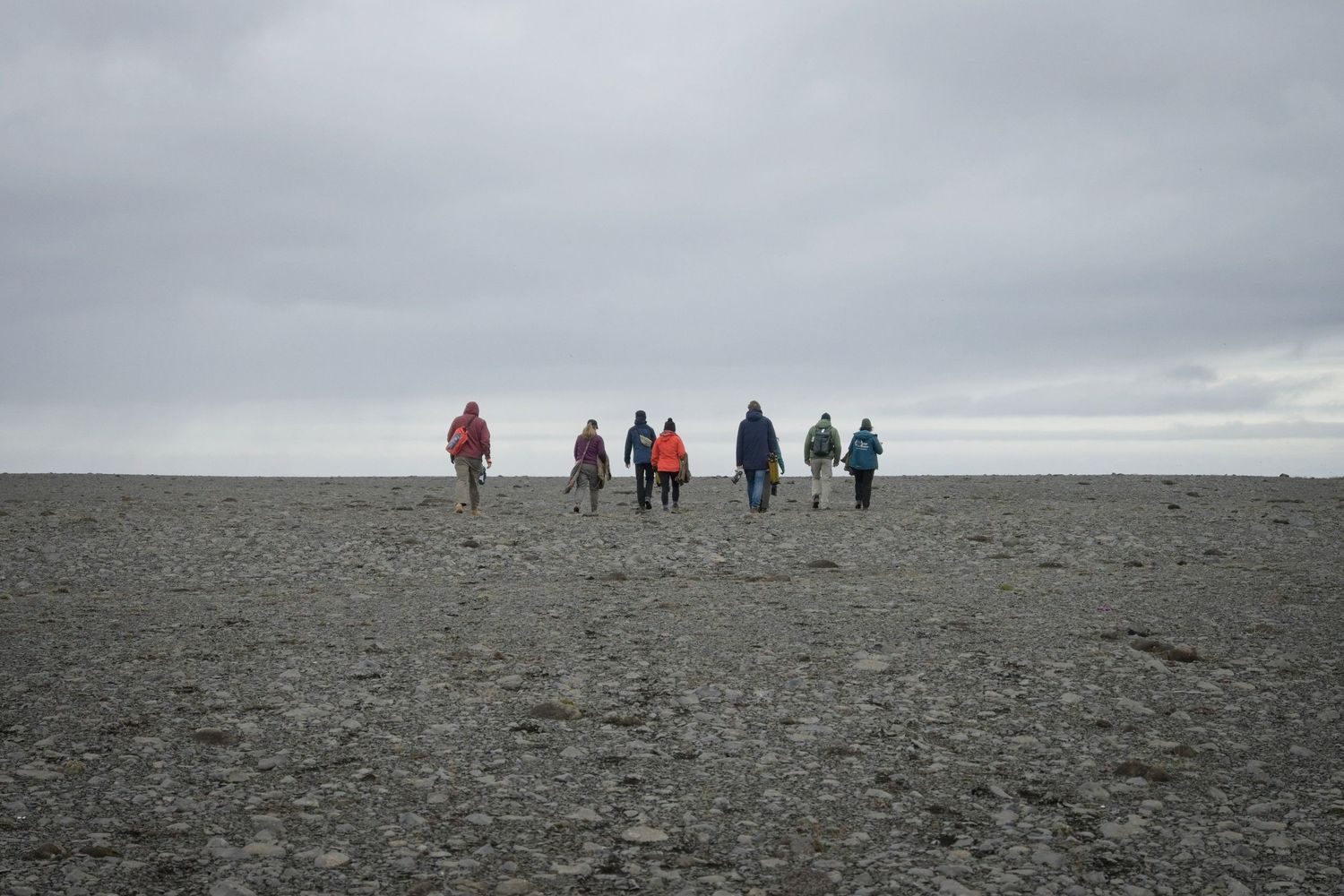
We walked along the trail going north, where we would reach the Arctic Circle. Just when we passed the city limit of Sandvík, the only town on the island, everything came to life. We were only eight of us, with the raw beauty of nature, untouched by humans.
Arctic terns were flying around us, watching us closely or aggressively defending their nesting ground from intruding birds. And then, we reached massive cliffs. Hundreds, or maybe thousands, of Atlantic puffins were flying in and out of their burrows. Many were out at sea at the bottom, but a lot were calmly observing us passing by. Most of the puffins didn’t seem bothered by our presence when we were taking photographs close-by. It was such an incredible moment, because we were alone, and I felt so connected to the Earth at that moment.
It was a cacophony of birdsongs, but it was beautiful.
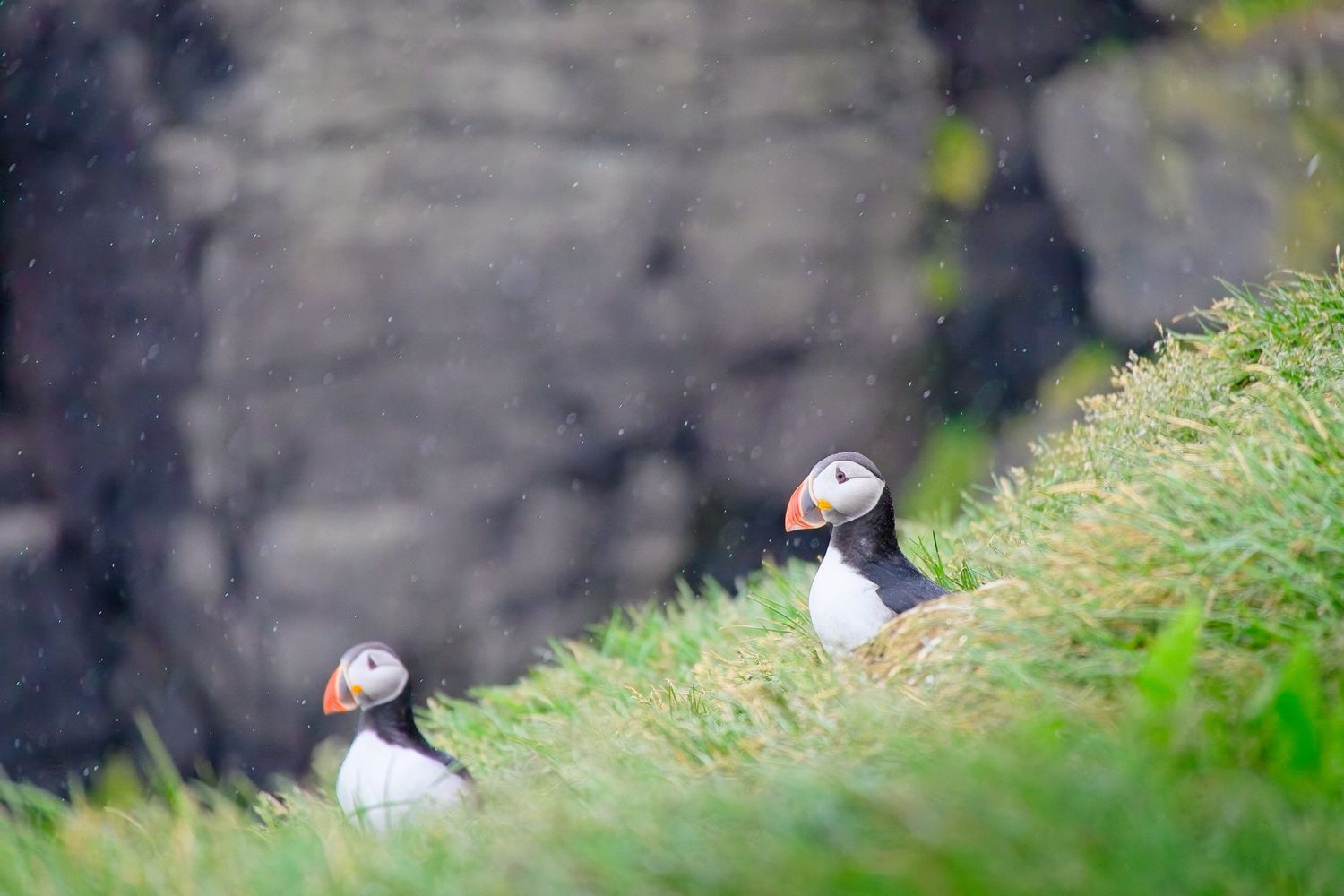
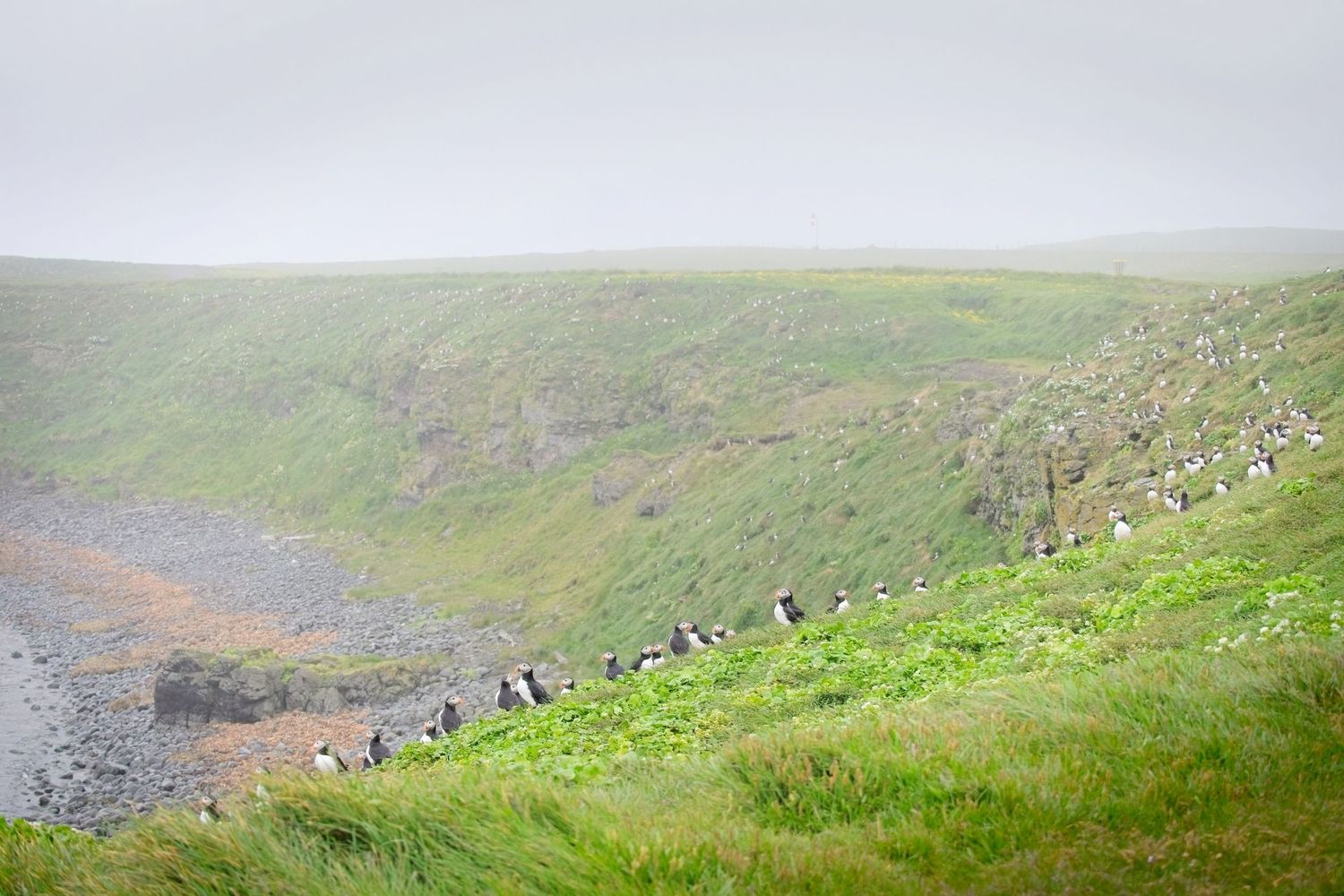
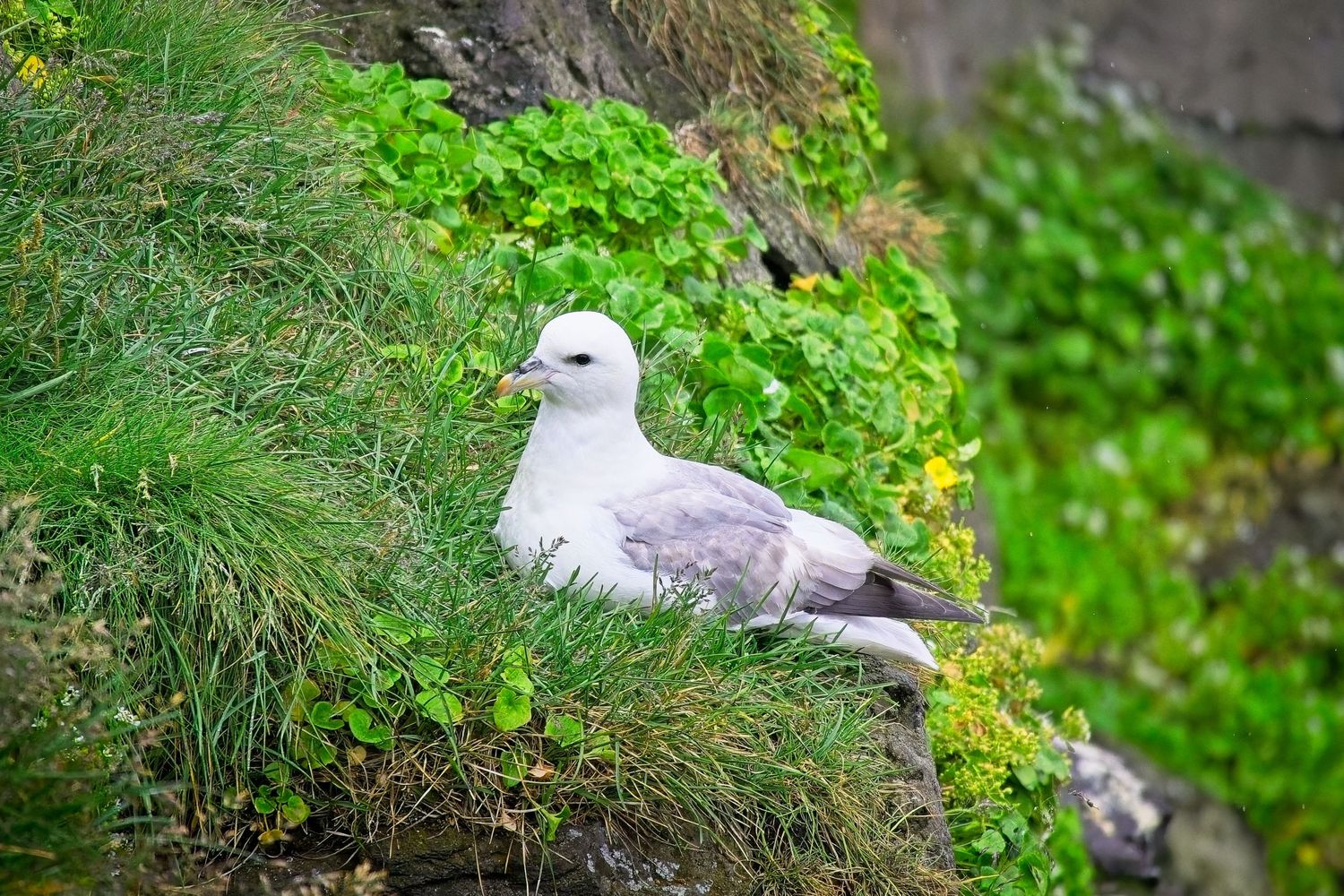
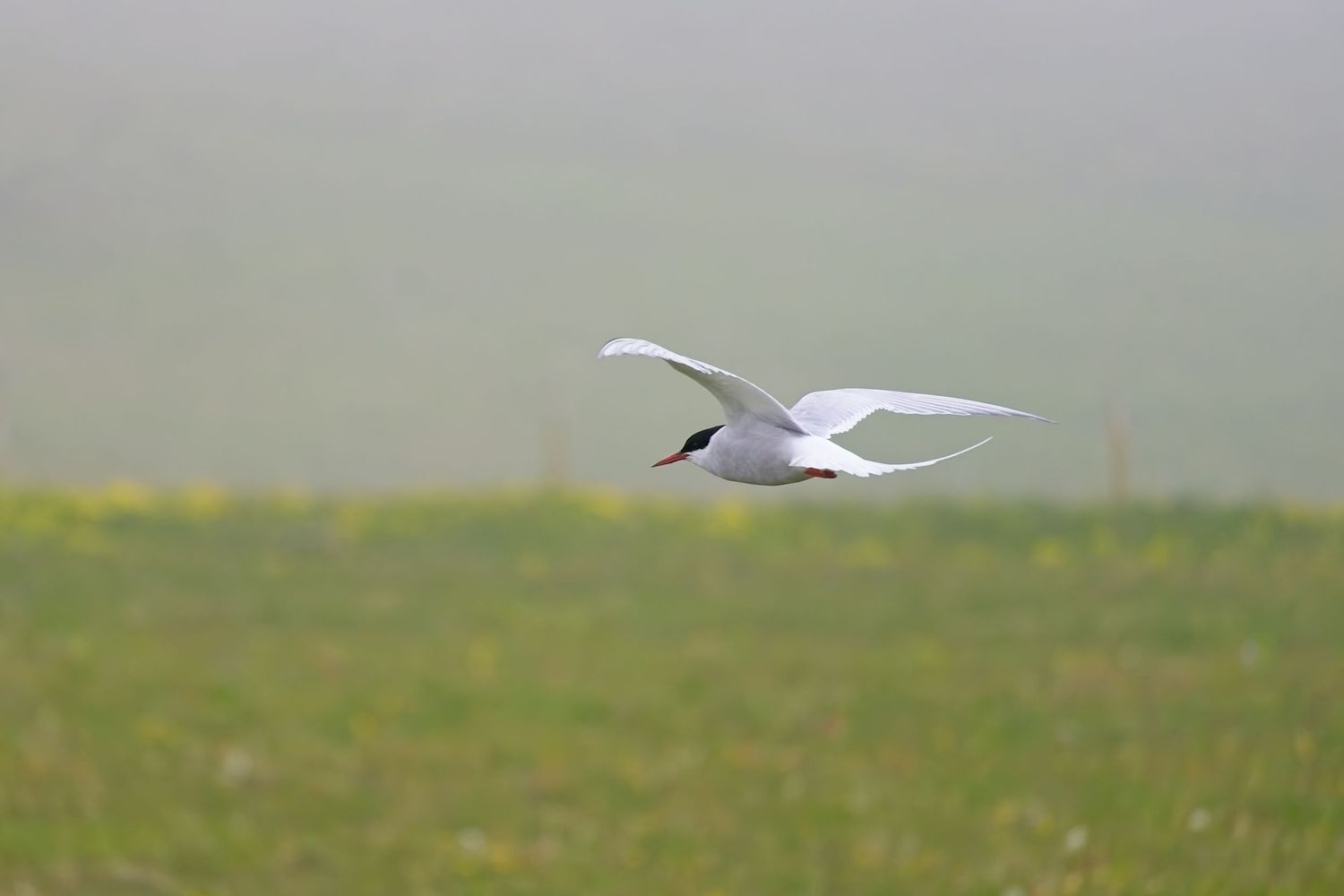
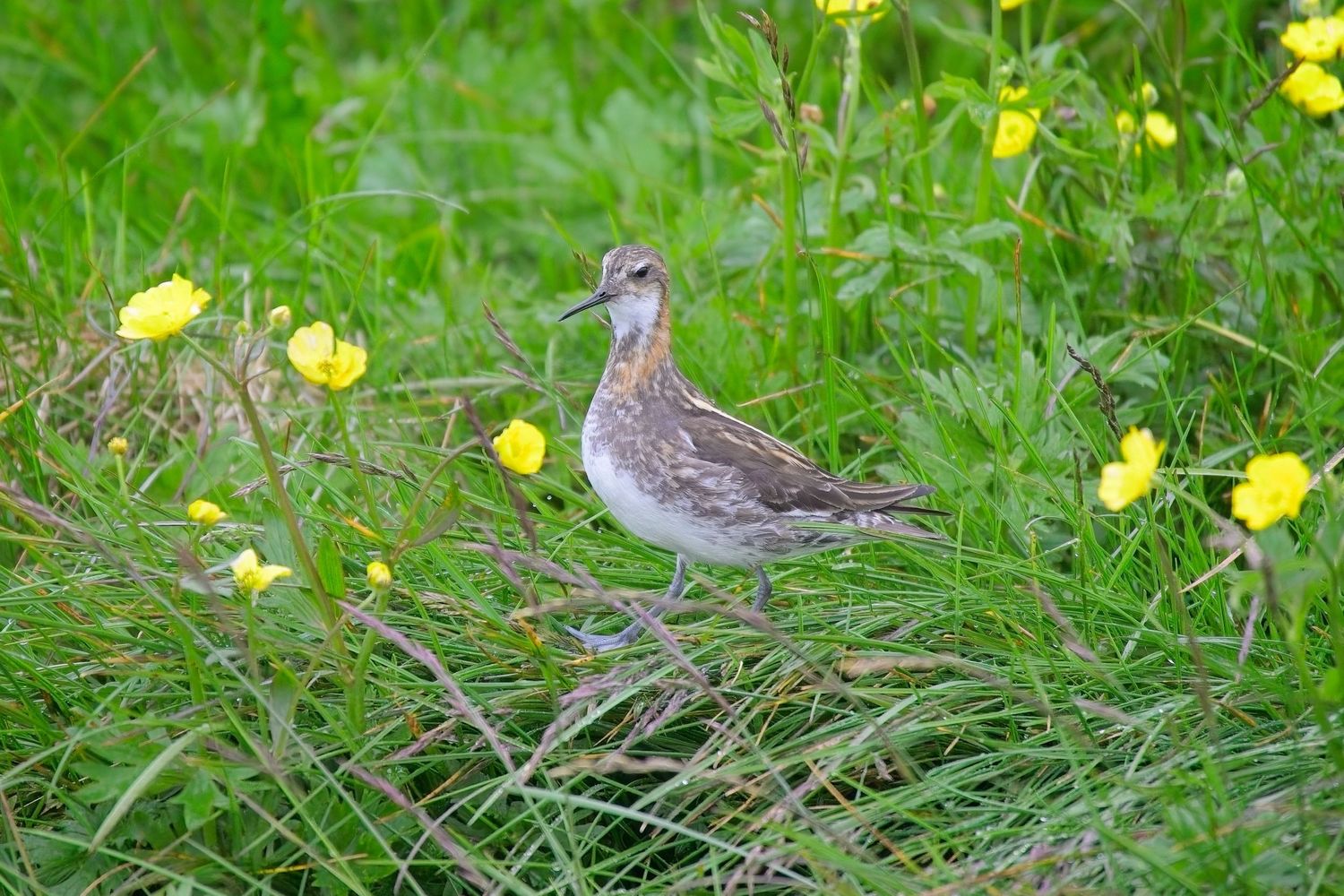
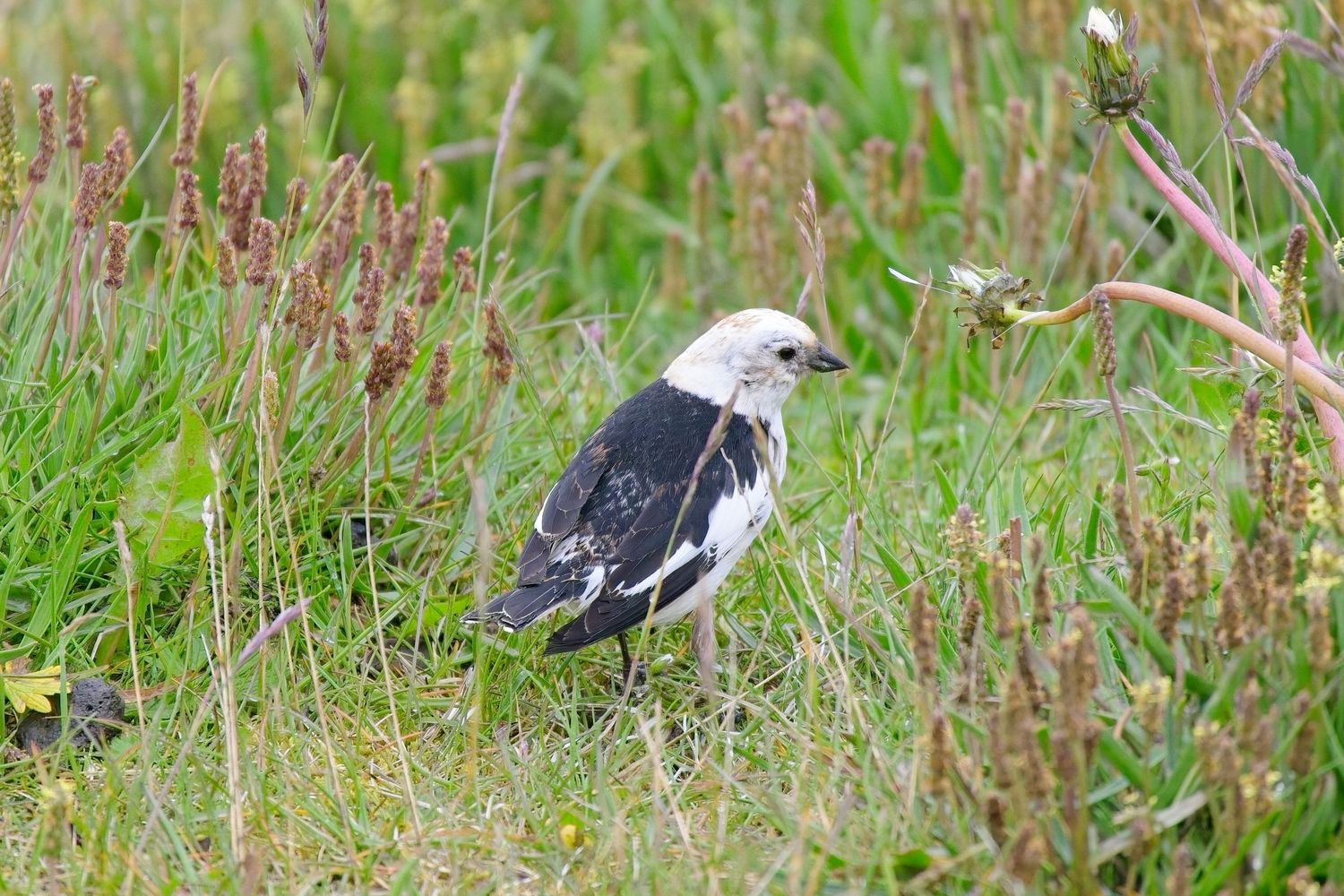
We continued along the trail beside the cliffs, making our way uphill toward the Arctic Circle, when suddenly, an Arctic tern decided to attack us. Those birds are nesting directly on the ground, so when animals, birds or even us humans are too close, the bird will always attack the highest point (where the head is) as self-defense.
The solution is to carry a stick and raise it above your head, so the bird attacks it instead of you. But many of us didn't have one at that moment, so it ended in a hilarious scene of us trying to avoid a dive-bomb from an angry seabird, crouching low and doing a little jog to put distance between ourselves and its nest.
After walking for a little while, a thick fog came in as we went higher on the island. I was one of the last one of our group on the trail, and I lost sight of the people in front of us. It was totally white, like travelling through another dimension. Once we regrouped, we continued our walk into the cloud until we reached the Arctic Circle, marked by a giant concrete sphere. Inaugurated in 2017, the sculpture called "Orbis et Globus" — Circle and Sphere in Latin — symbolize the boundary with the Arctic. Each year, the sphere is moved to reflect the shifting position of the Arctic Circle. - More info
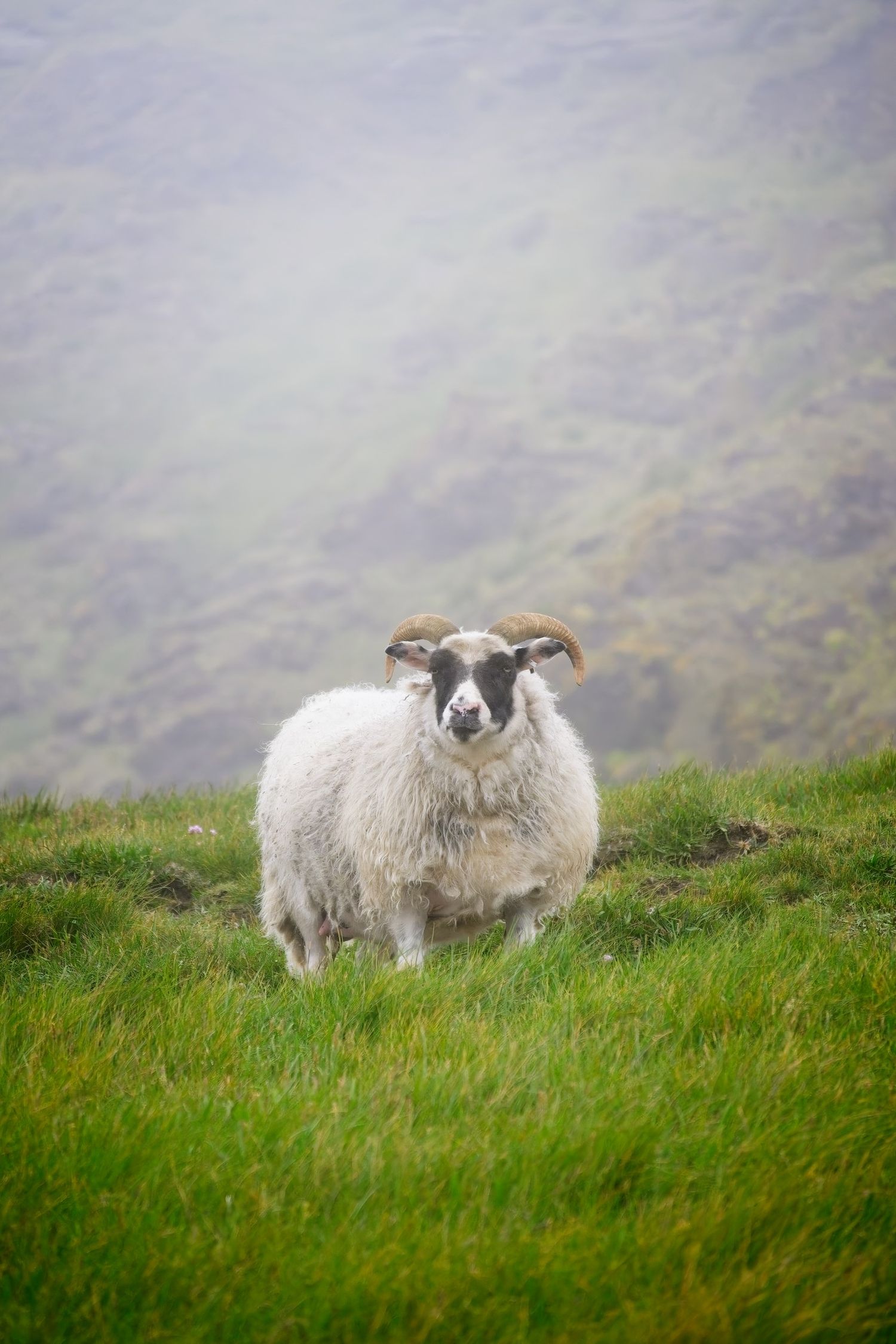
After reaching the sphere and enjoying the moment altogether, we continued walking further north until we reached immense cliffs. On the way there, we saw some sheep wandering around in this surreal landscape. The cliffs on this side of the island were populated with lack-legged kittiwakes and fulmars instead of puffins and Arctic terns. There was also a camera to help ornithologists and biologists to monitor the bird's population.
Because of the lack of vegetation on the island and its location in the Greenland Sea, it was incredibly windy. It was hard to stay on our foot on the cliff side.
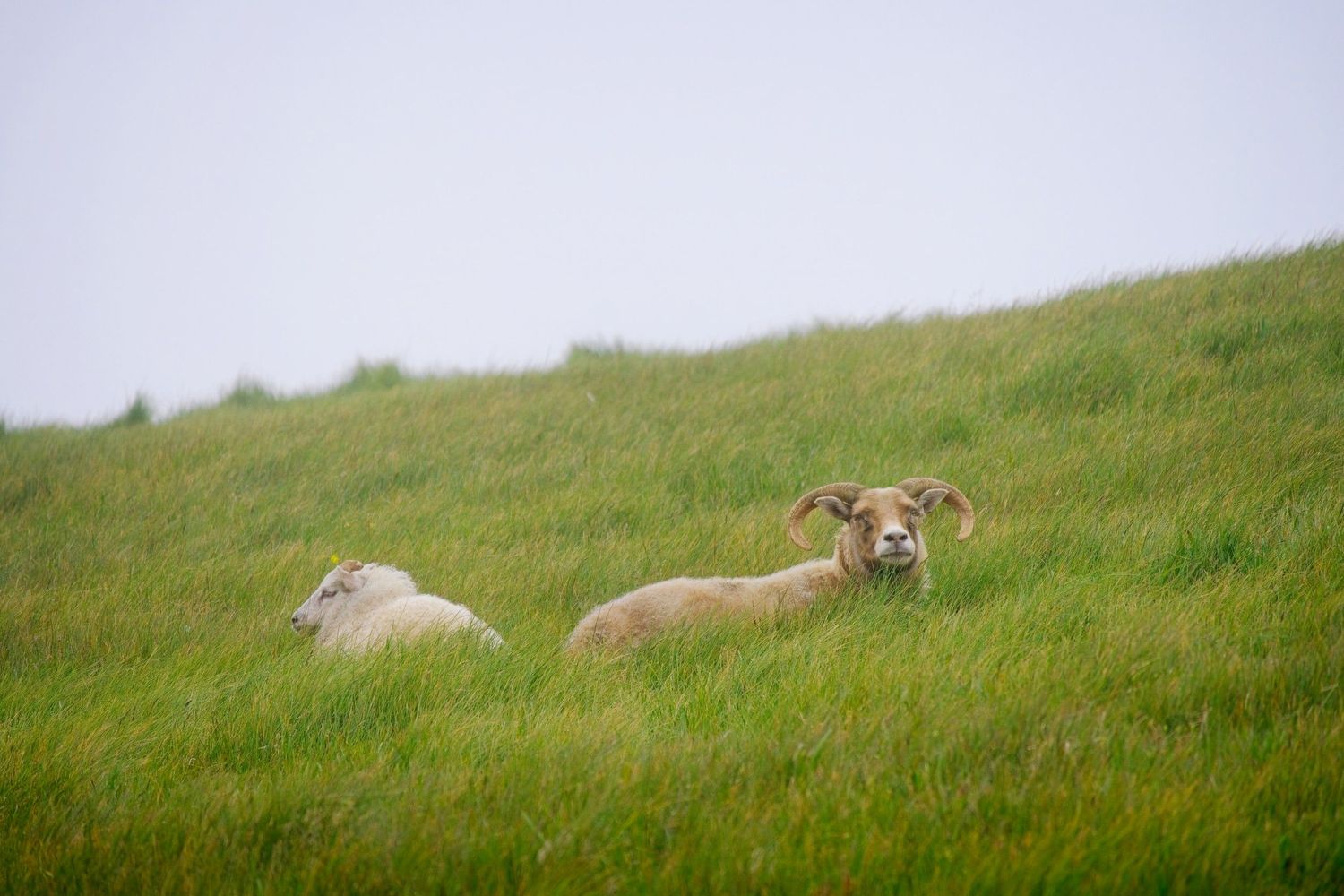
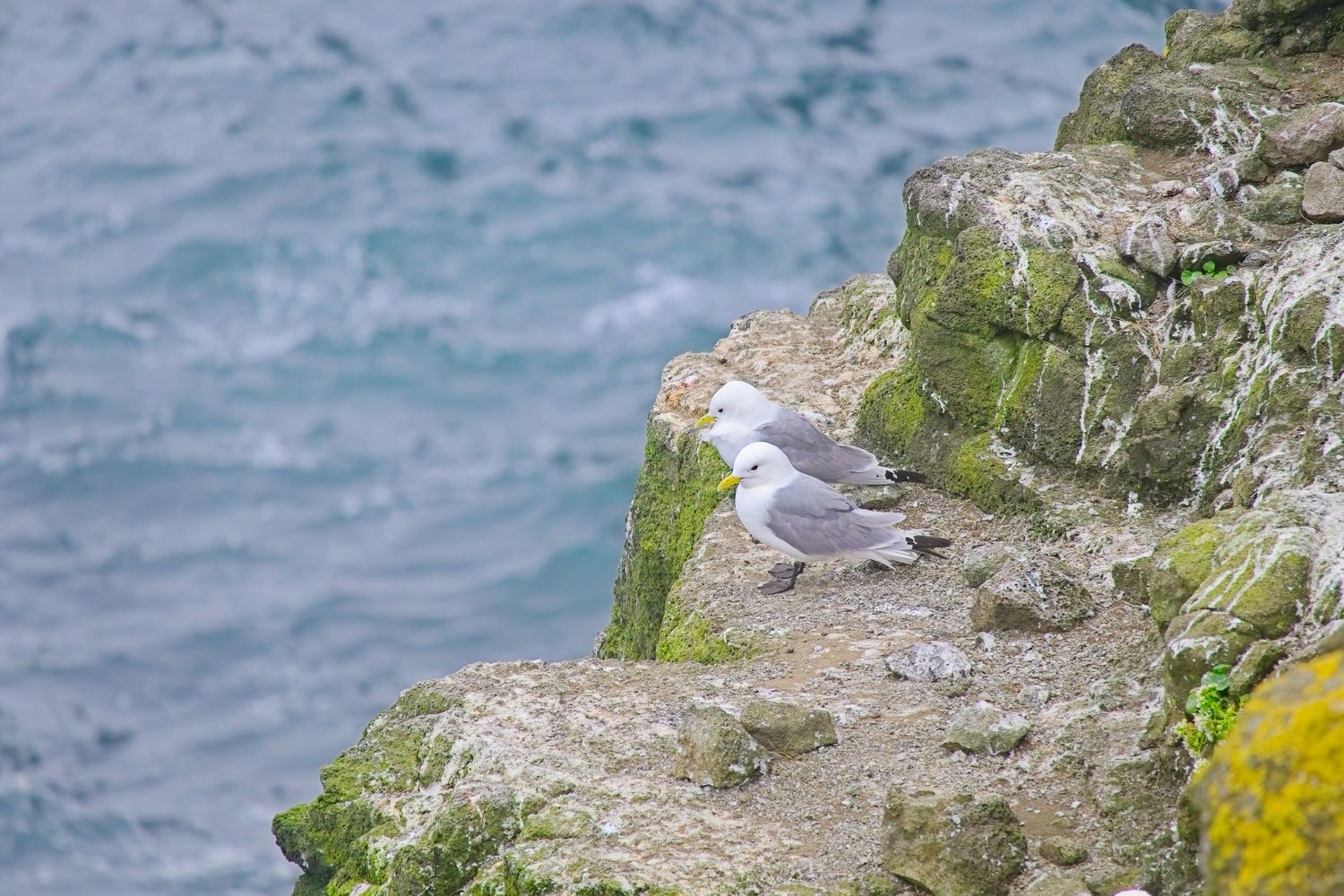
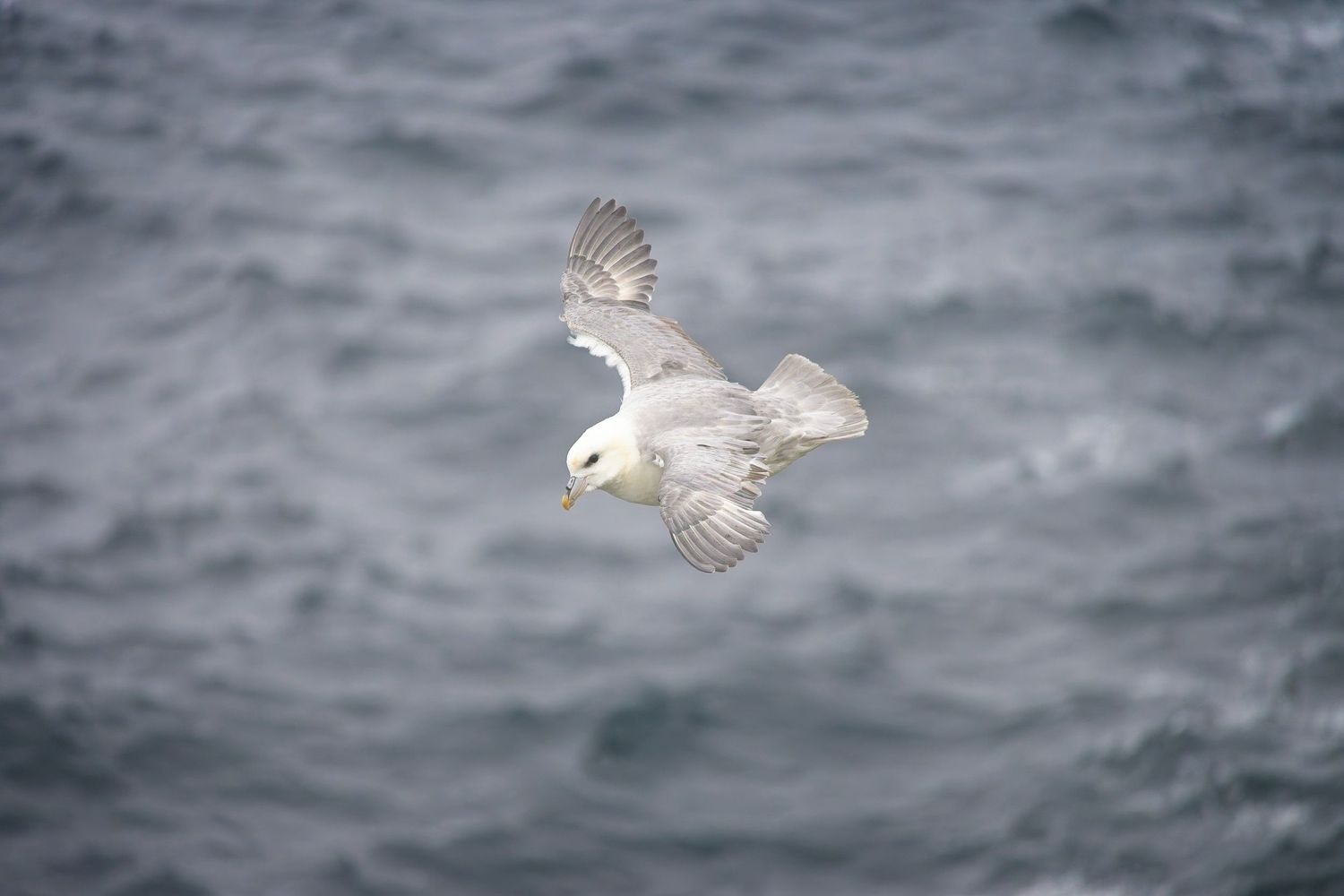
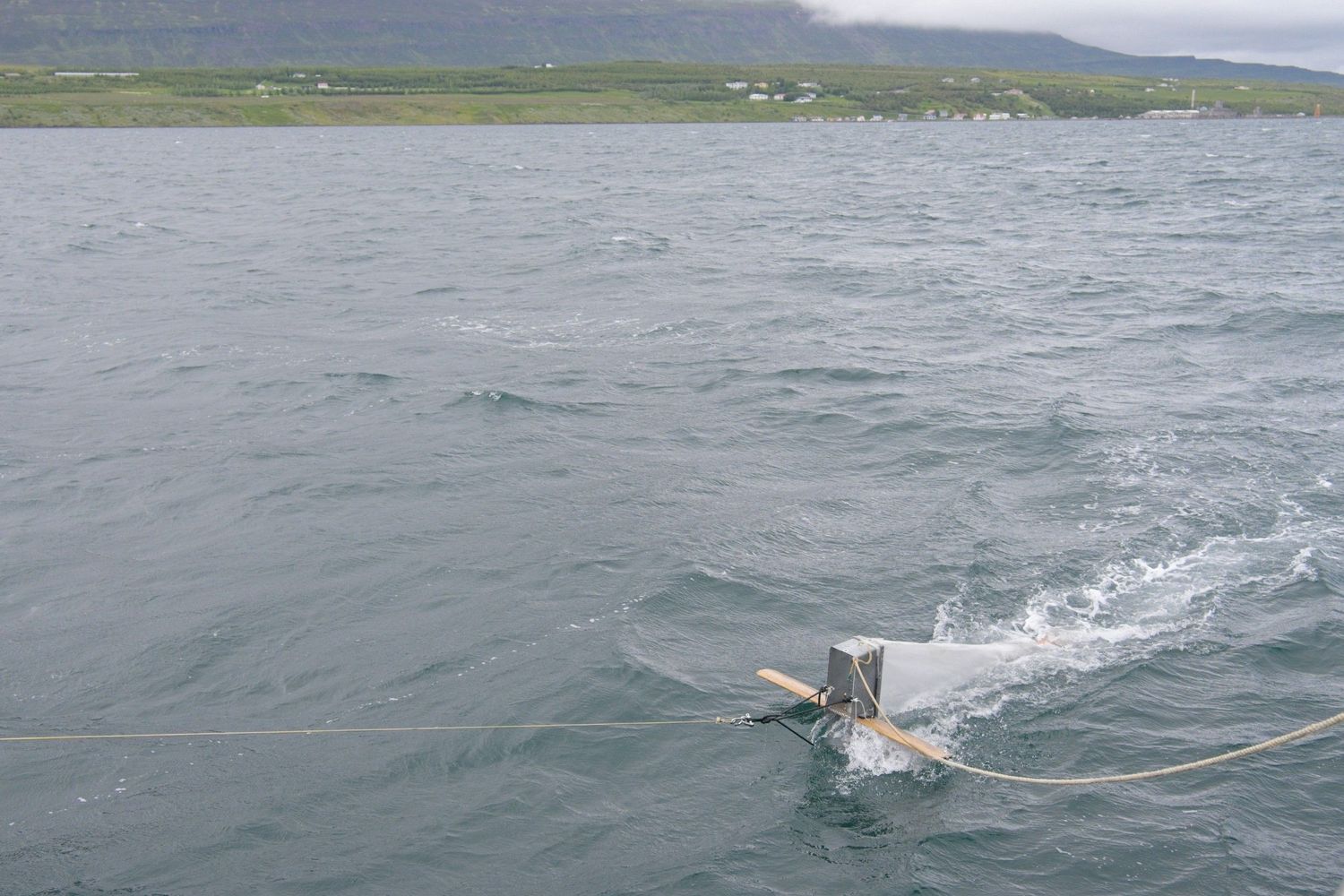
When we finished our adventure out in the unknown, we headed back to the boat. Our day on Grímsey had come to an end — it was time to go back to mainland Iceland. But before that, we had one thing to do. We sailed north along the island — where we saw some dolphins — turned 180 degrees, and dropped the manta trawl to collect surface data from the sea.
The previous day’s waves had been intense, but nothing compared to what we faced heading toward Eyjafjörður — one of the longest fjords in the country stretching about 60 km from head to mouth.
I got seasick a second time. This time, instead of being rocked front-to-back, it was rolling left and right. It was a bit brutal for someone already weakened by the motion of the waves earlier. I know it's not recommended, but I decided that day to stay in my cabin for the rest of the trip, focusing on the heavy movements of the boat.
And then, everything stopped. After 65 km, we arrived at our destination, the small village of Árskógssandur. Once again, I skipped diner. My stomach was spinning in all direction, like a washing machine. Nonetheless, I accompanied the group to one of the nearest and only bar and restaurant in town: Ströndin Bistro, where I was able to relax a little bit before going to sleep.
Day 6 - Encounter with the Giants
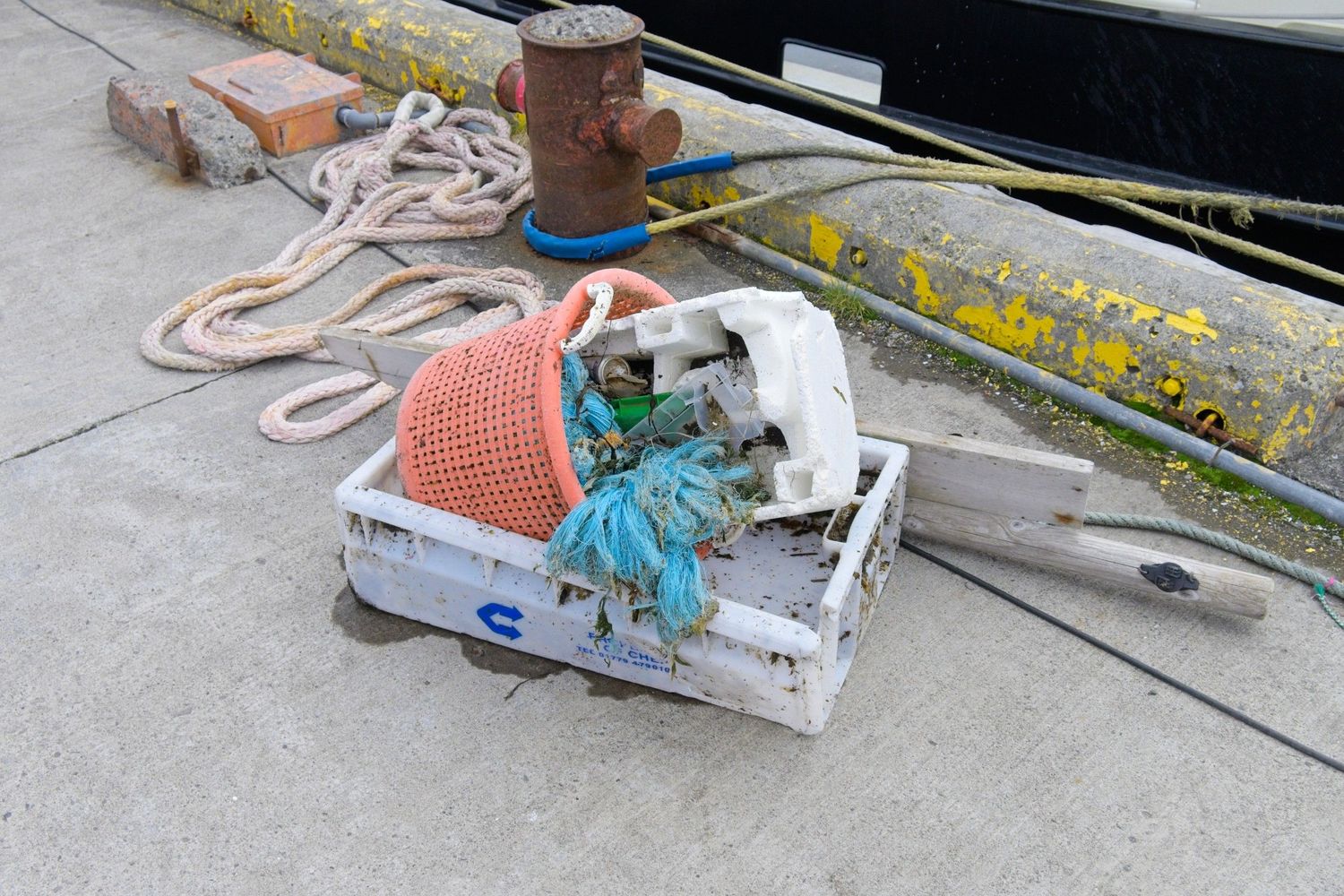
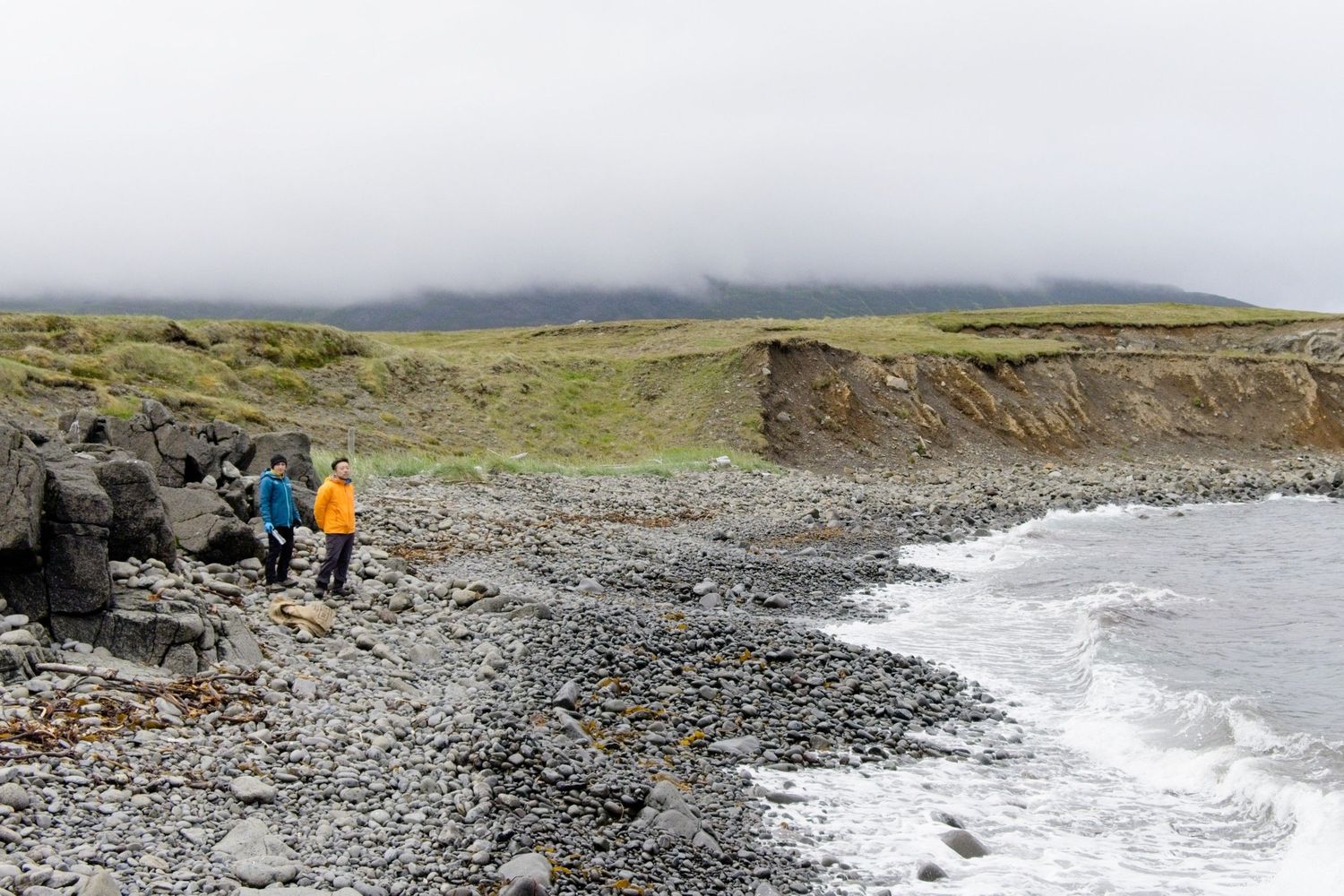
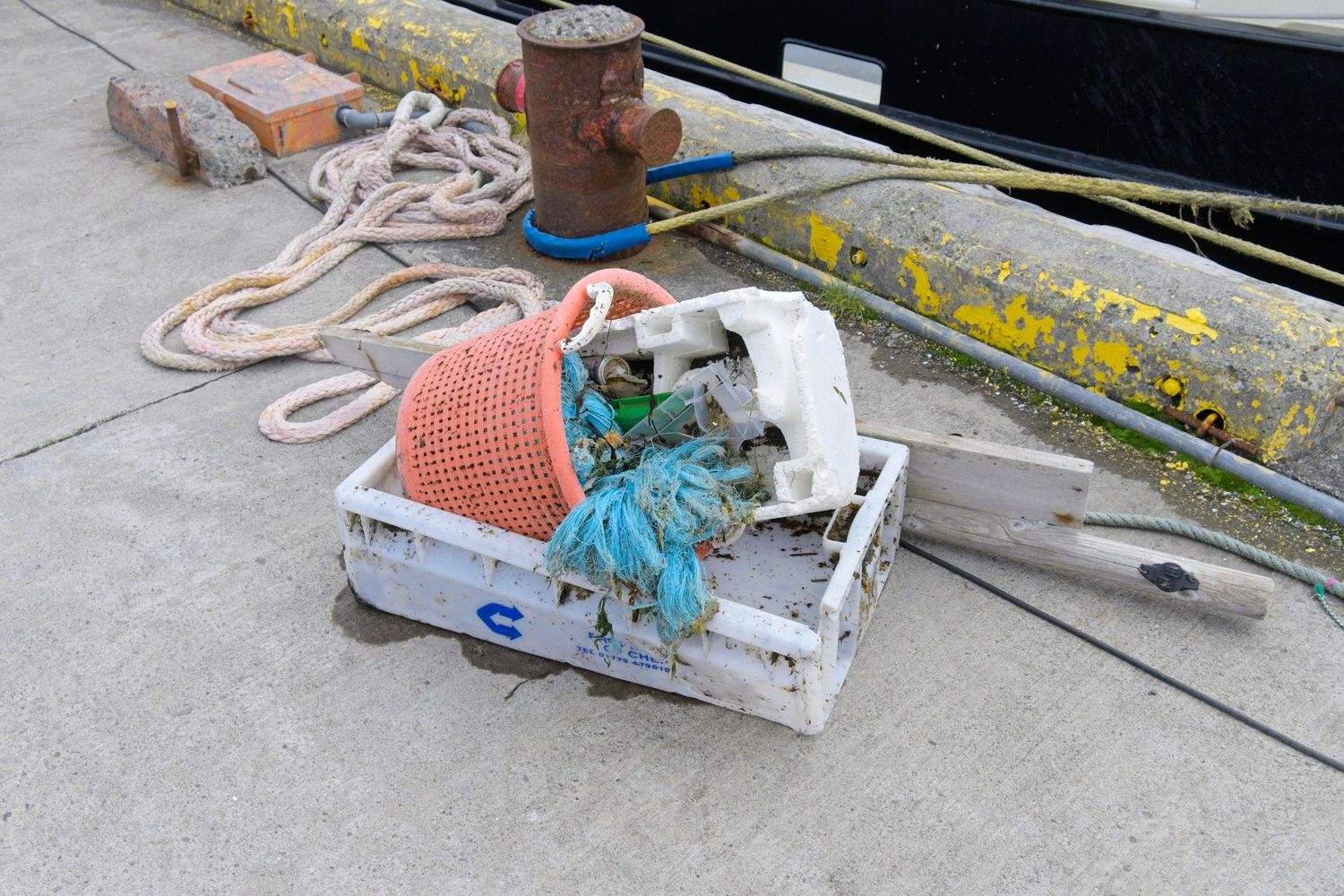
We started our sixth day by going on a nearby beach to do cleanup. Unlike the ones near Húsavík, we could see the stormy history of this shore. Beyond the usual fishing gear, there was a lot of wooden planks and fencing parts, probably crashed on the coast when the water was high and strong.
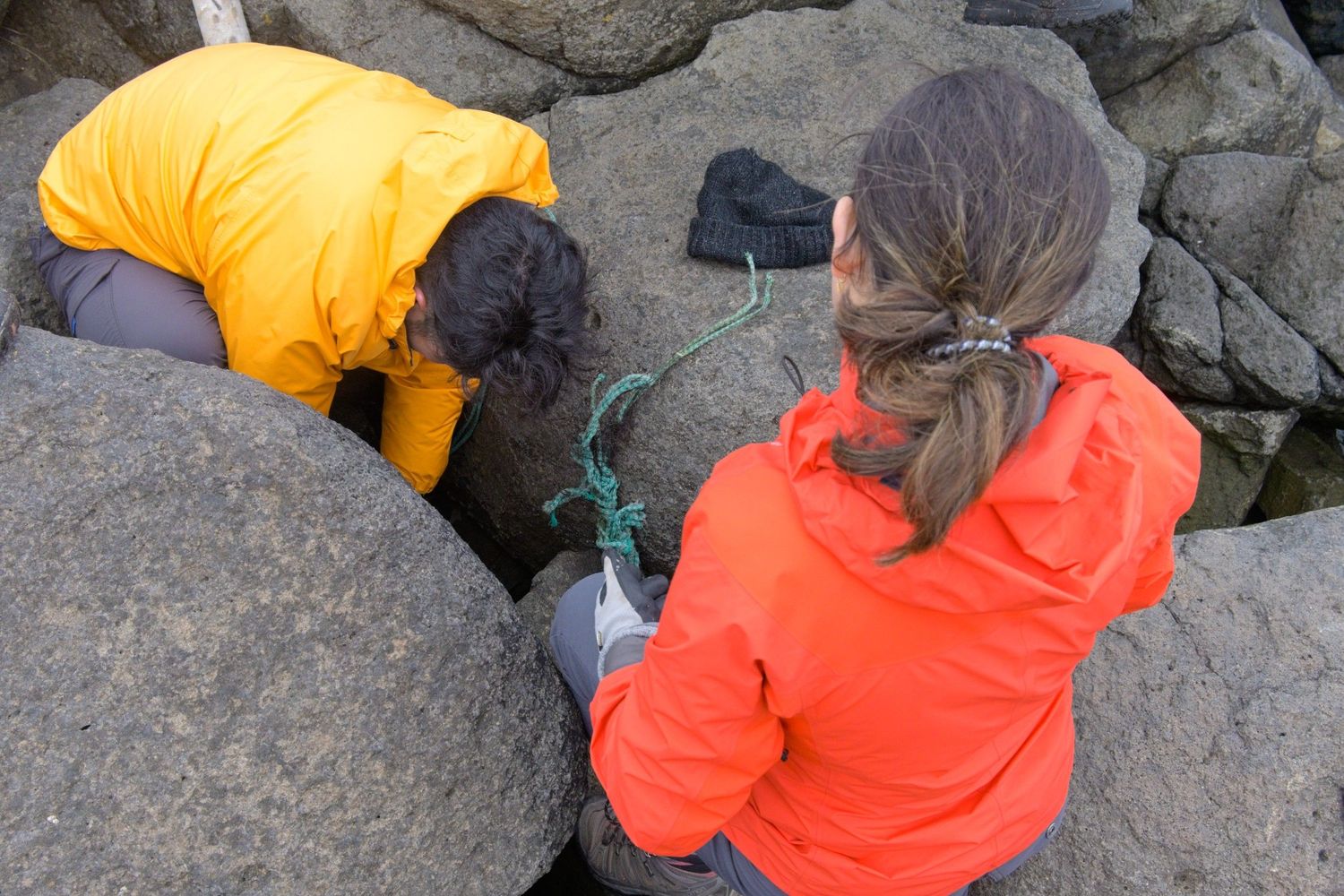
We also found some fishing nets under a pile of giant boulders that no humans can move. We did our best to remove what we could with scissors and a knife, but we had to leave a lot behind unfortunately. That morning, we collected 23 kg of litters or 7 kg without the wood.
Among the debris, we also found a child’s drawing in a bottle that had been sent from Reykjavík two weeks earlier. It's incredible how fast it travelled to this remote area in the fjord.
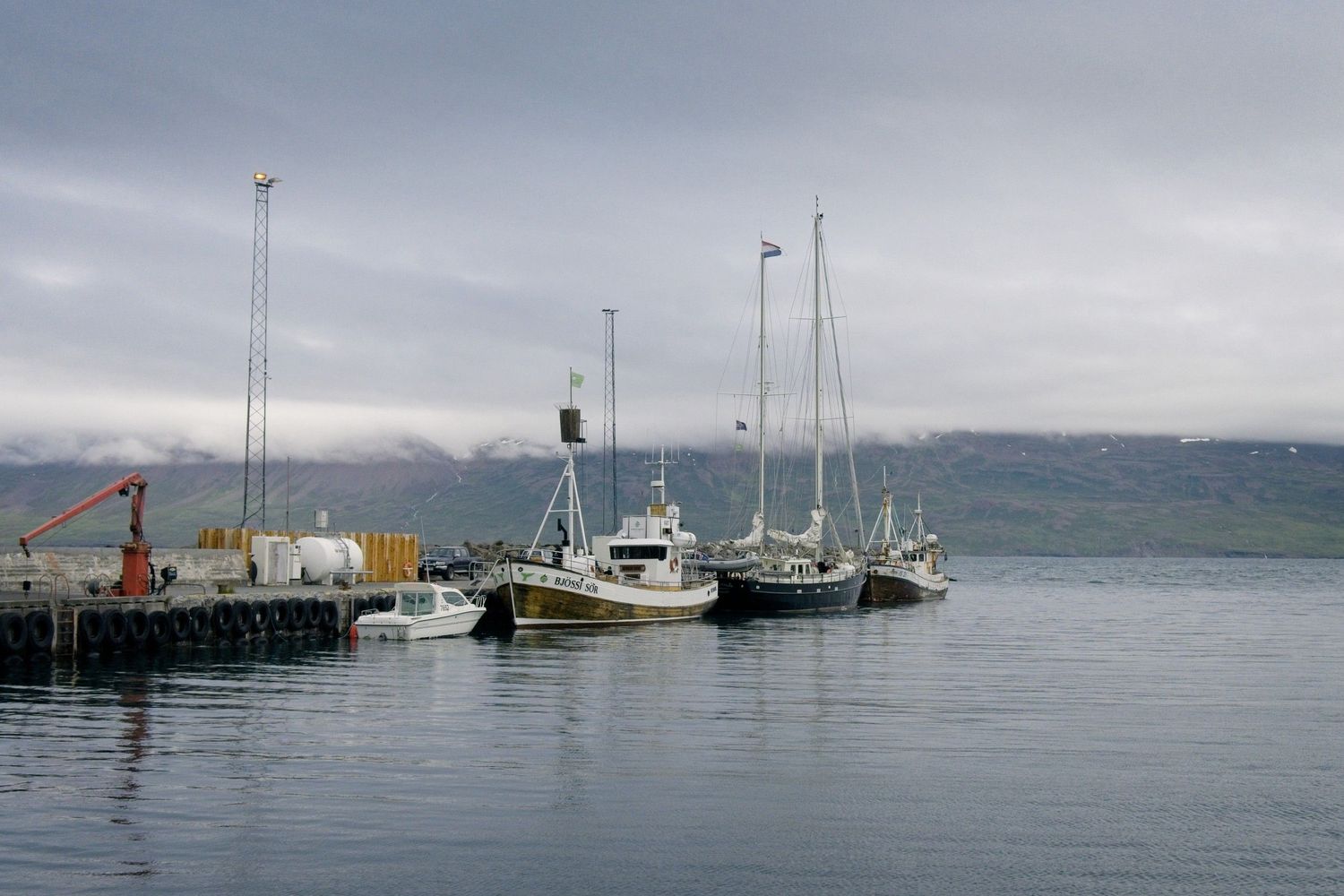
After a good lunch on the boat, we started sailing more south into the fjord. Our destination: Hjalteyri. It's another very small town of a few inhabitants, but as someone who love nature and the quiet moment, we can have listening to the wind and the sea, it didn't matter that much.
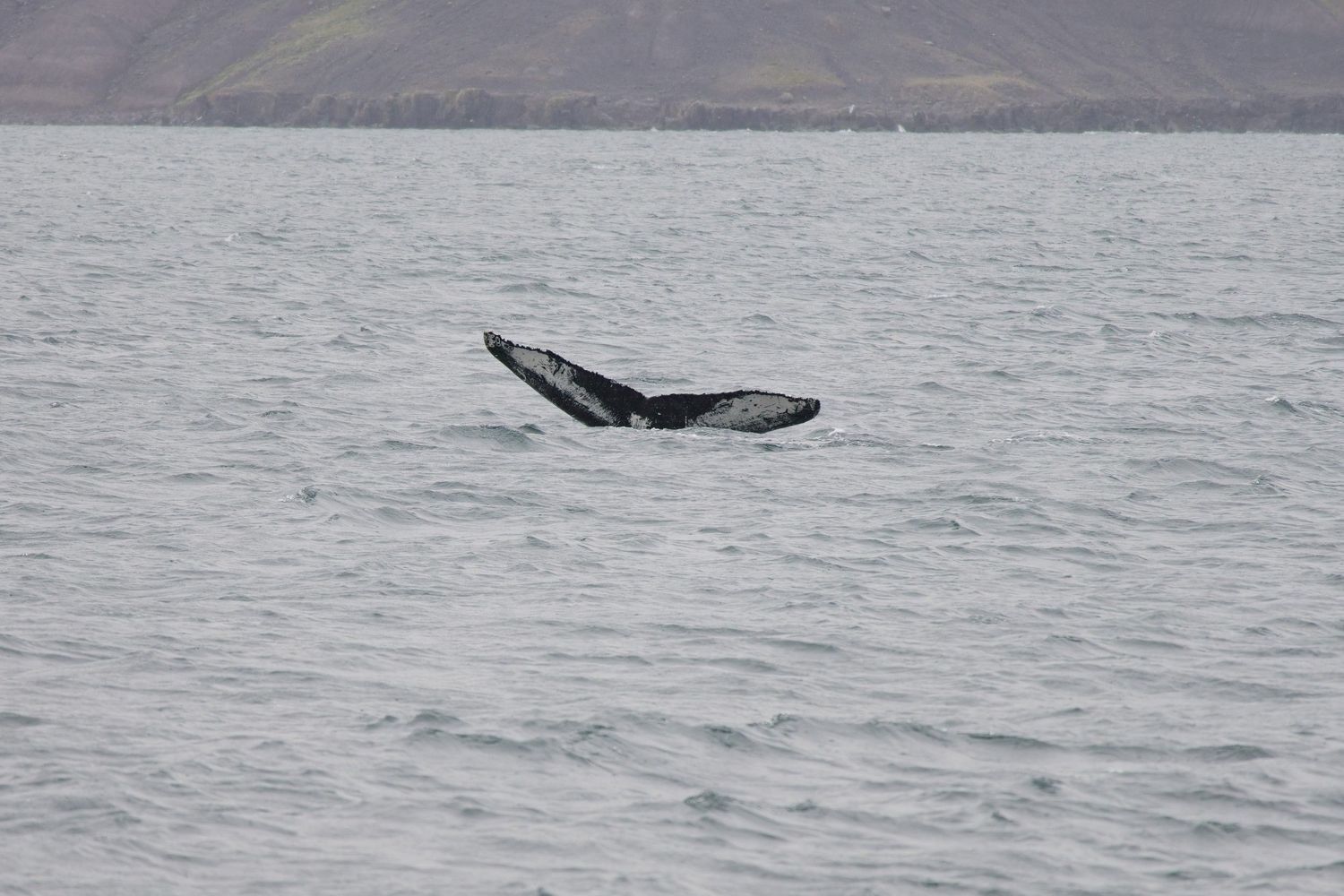
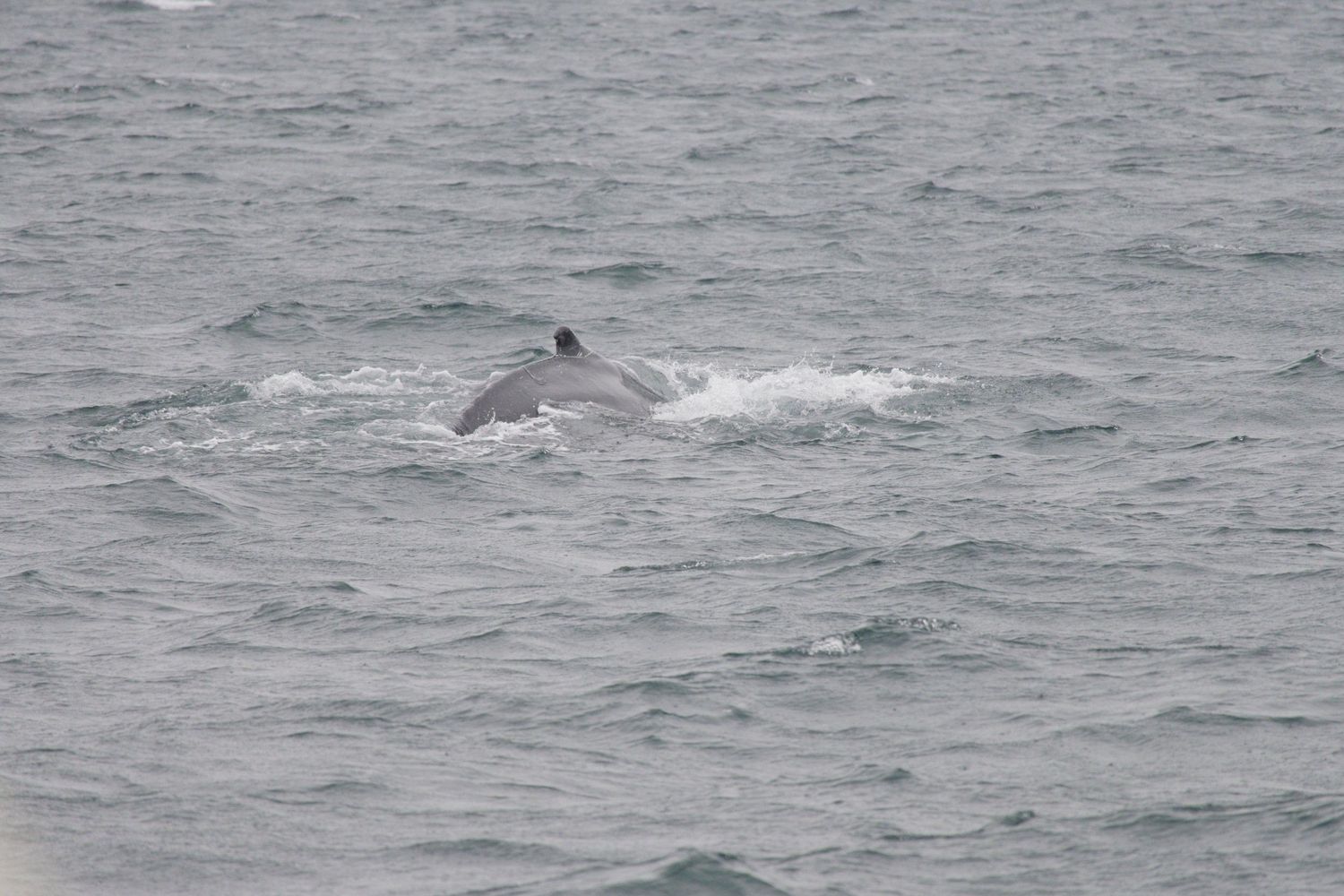
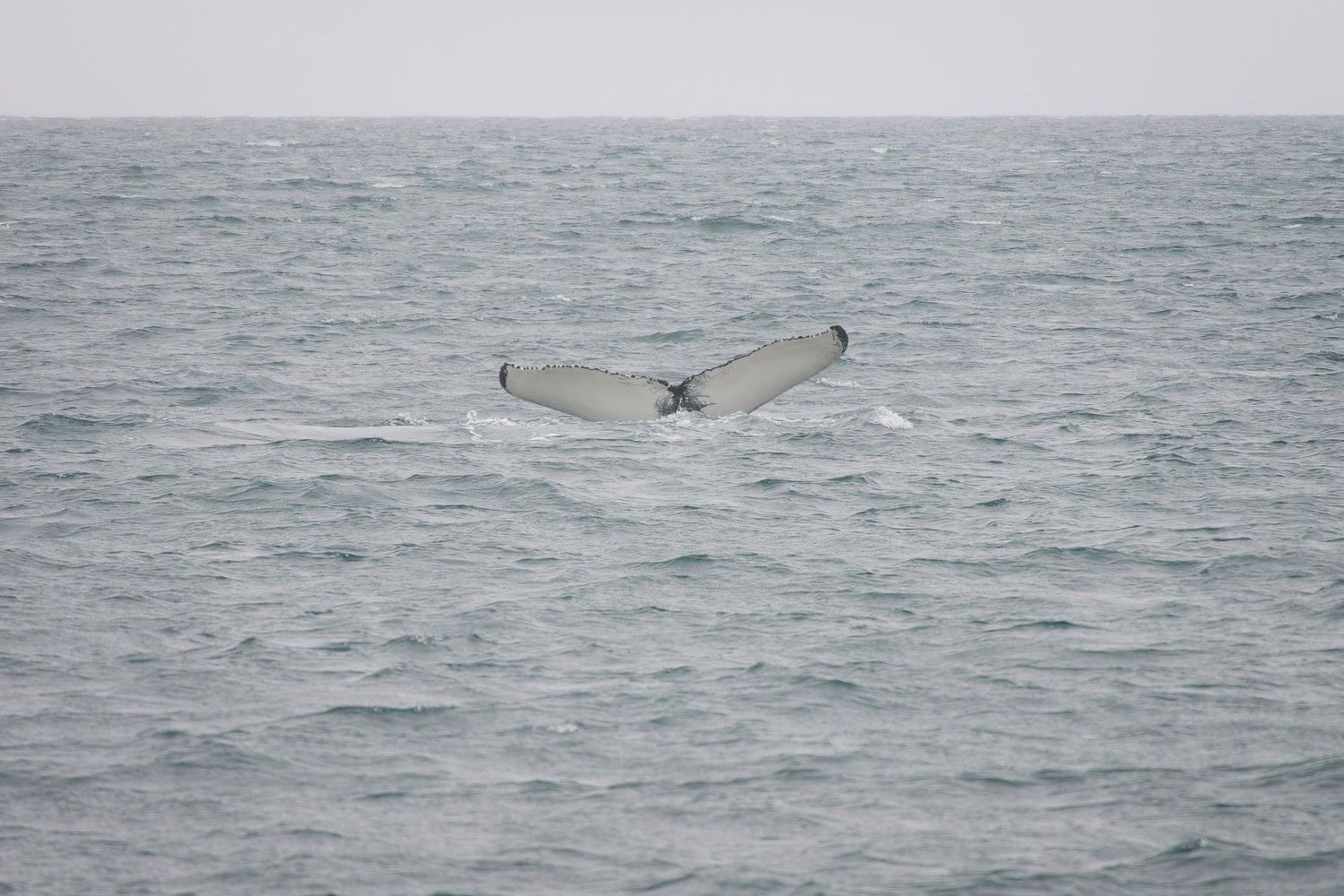
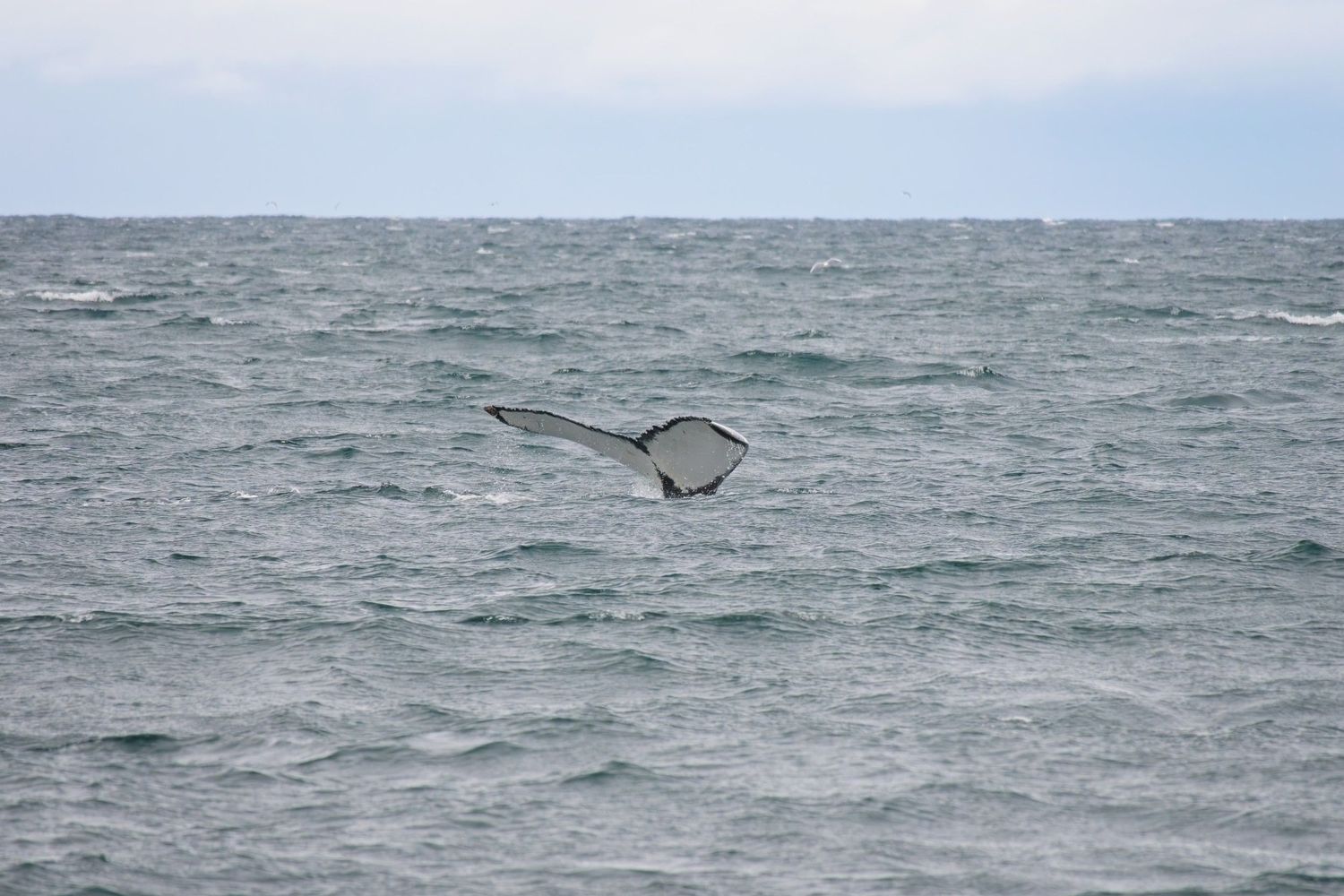
On our way to this coastal village, we did encounter two beautiful whales. One had a white fluke, and we did check for the whale's name on Happywhale — a citizen science platform — and the whale's name was Capri. This little giant was quietly swimming next to Tilvera, our sailboat, with nonchalance.
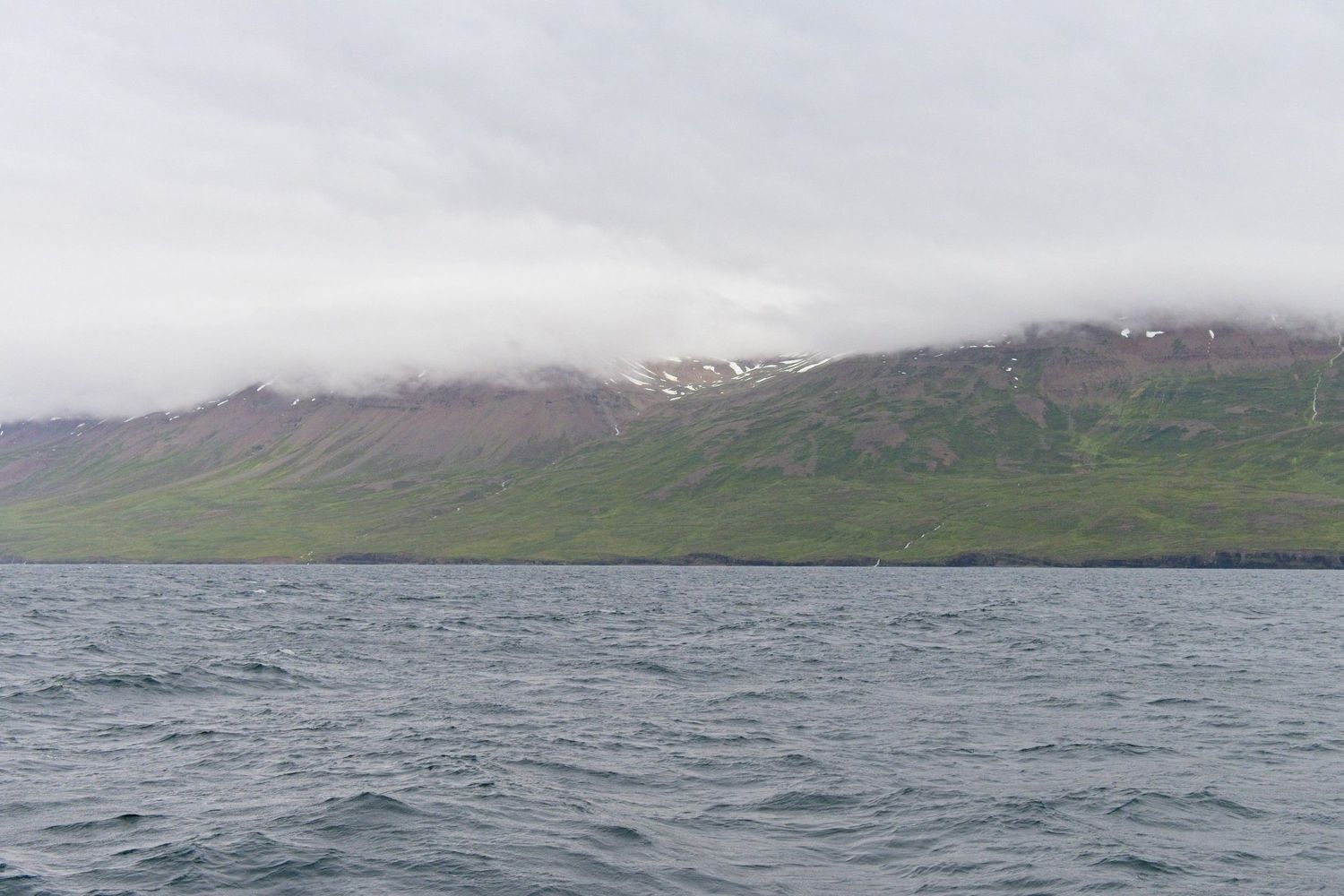
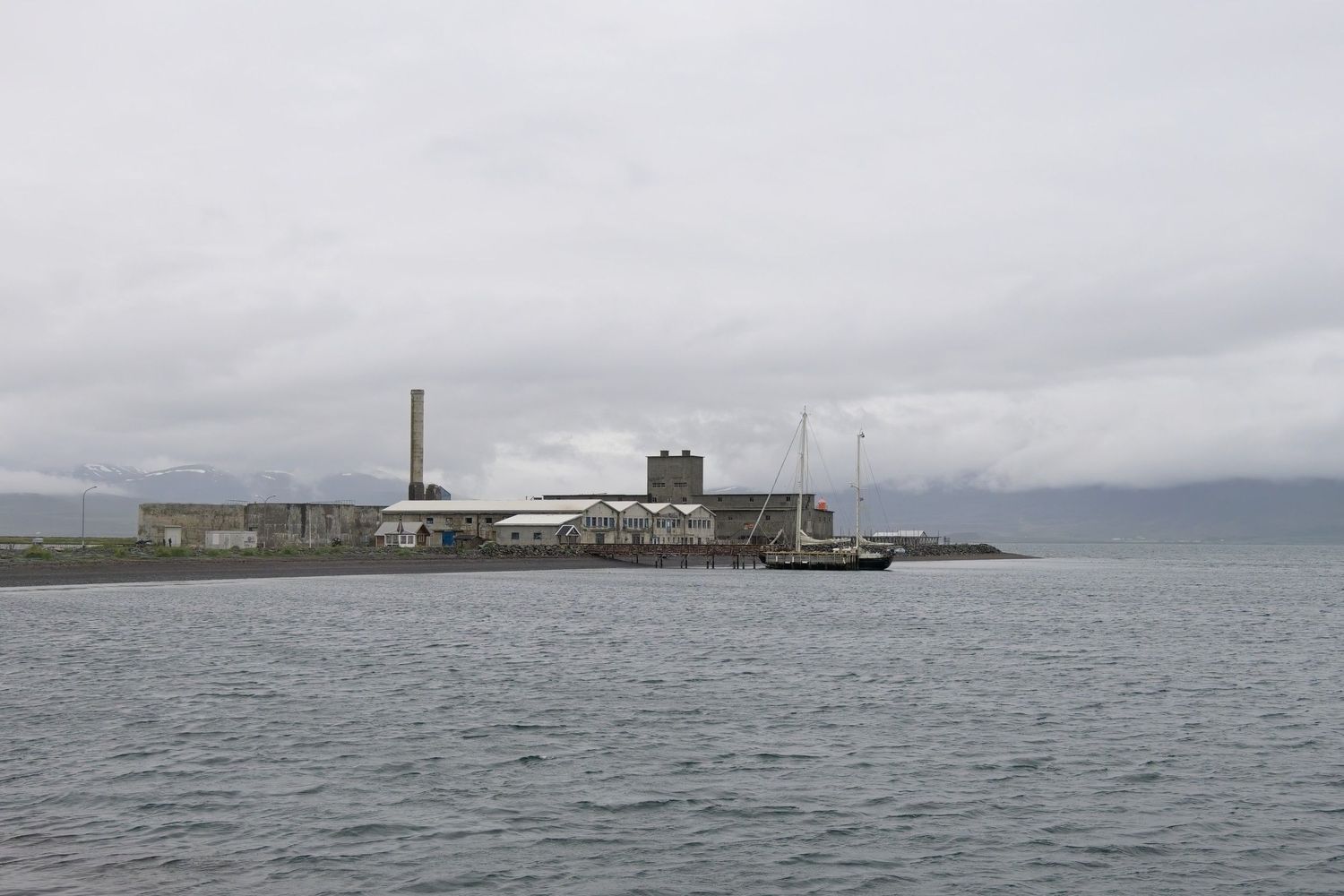
Hjalteyri is a very interesting town. It was home to one large herring meal and oil processing factory, built in 1937. It stopped its operation in 1966, but we can still see the remain of the factory, transformed into multiple office and artist workshop.
So, when we arrived in the town, under a light rain, we went into one of the silos used to store oil. We learned that the acoustic of this place was out of this world. And I have to agree with that. We went inside, into the dark and the echo resonated beautifully. One of the participants with us started playing guitar and singing. It was a peaceful moment. The village is also the old homebase of North Sailing in Eyjafjörður.
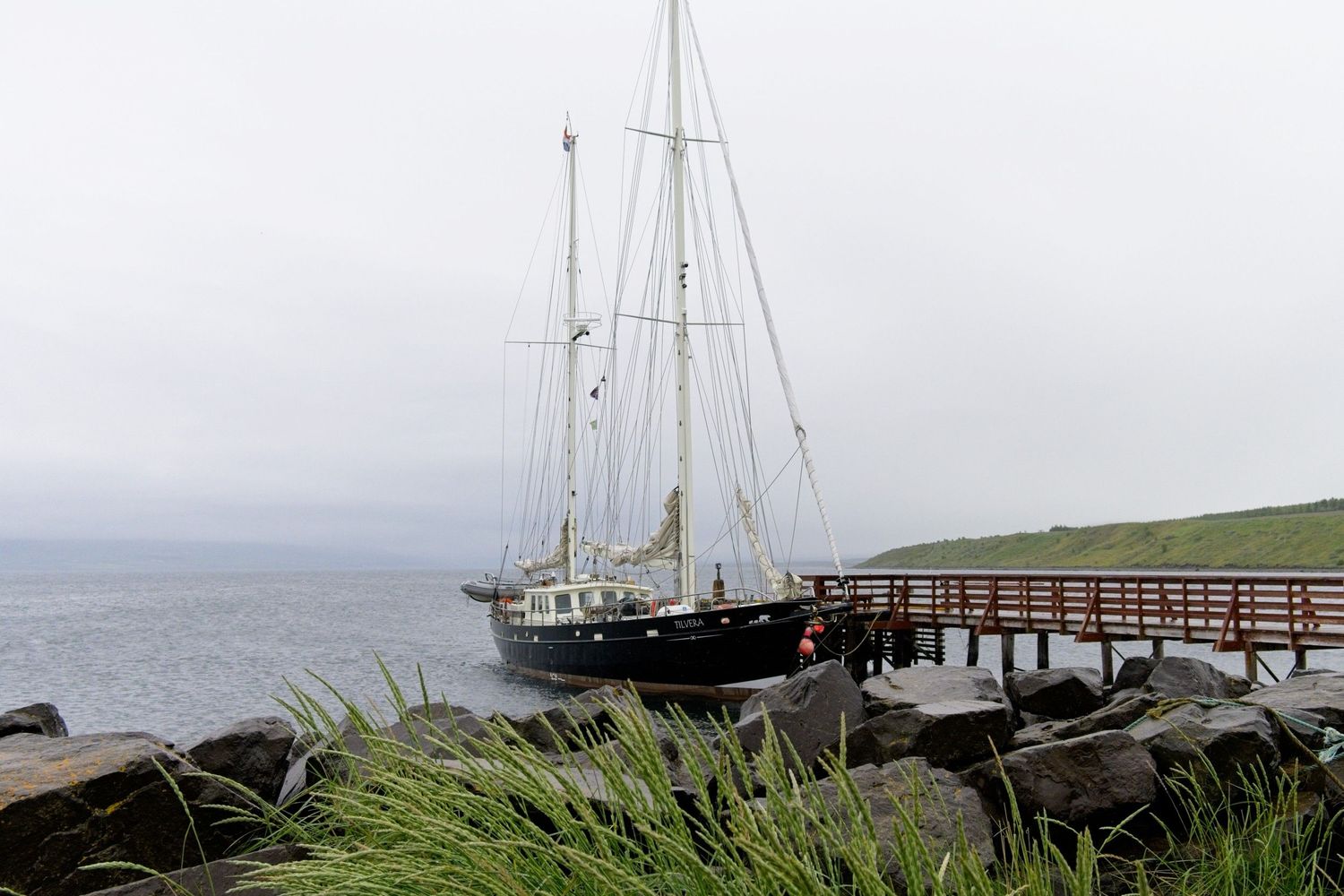
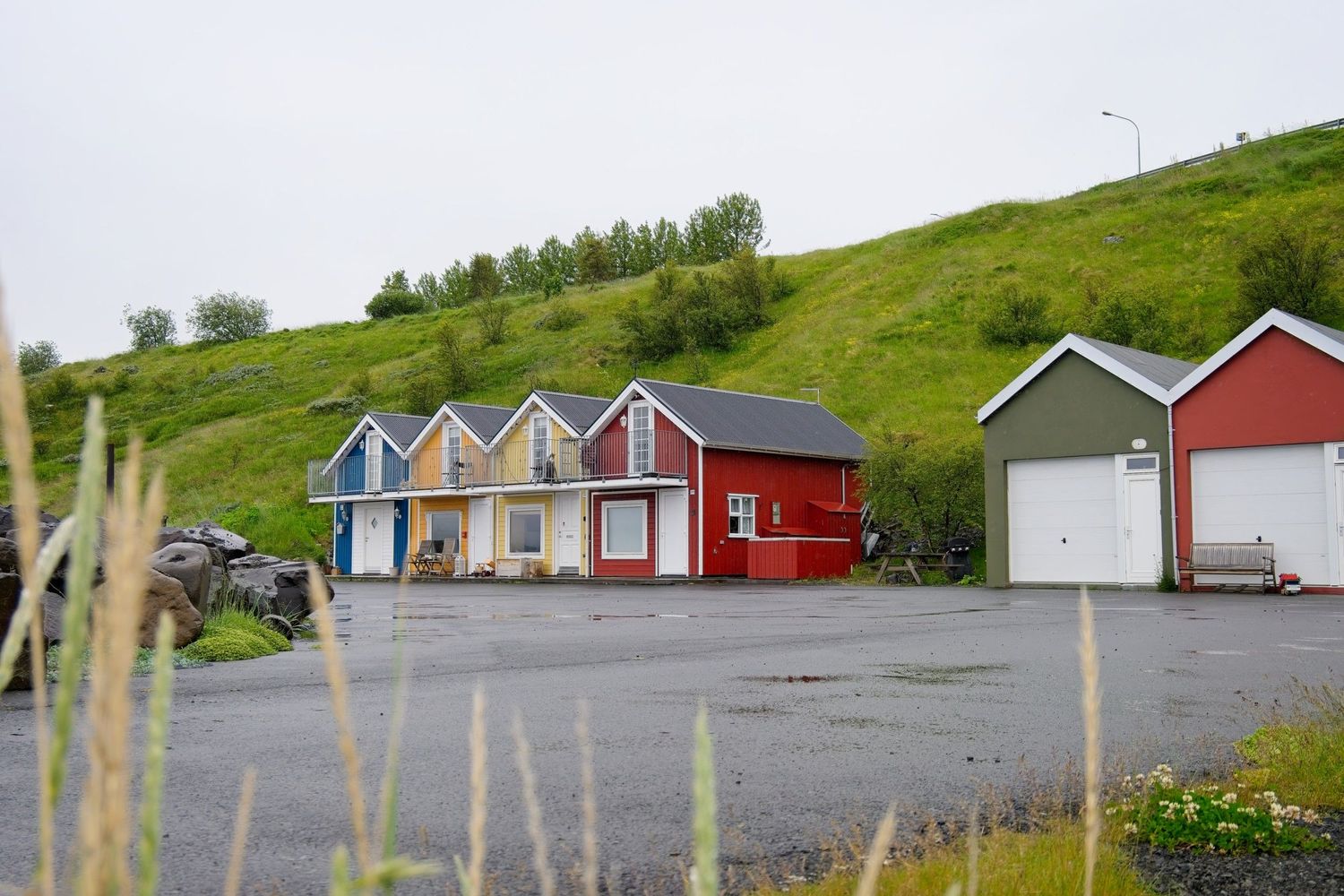
After a long day, we spent the evening in the hot tub situated next to the dock, followed by a daring dip into the cold Arctic water. In the warm water, we saw Capri — who became our mascot — surfacing gently close to shore. She took slow, deep breaths in the calm Arctic water, almost as if she were enjoying the stillness with us. It was a peaceful sight; one of those quiet moments where nature feels close, relaxed, and alive.
Later, we visited one of the most unusual bars I’ve ever seen, decorated by an artist who transformed daily objects into piece of decoration. We wrapped up the night with a generous potato meal. Yes, we ate some big potatoes. It was the perfect ending to a day filled with so much adventure and discovery.
Day 7 - The Last Embrace of the Ocean
On our last day, I woke up knowing so well that the expedition was coming to an end. I was quite sad about that, but at the same time, I was happy for the last day we were about to spend together.
The day started beautifully. The sea was calm and from the dock, we could see Capri swimming quietly — the sound of silence and the gentle spout. It was just a beautiful and relaxing sight to take in... Until 3 whale-watching boats came in from Akureyri with the only goal to offer tourists what they paid for. They came in very fast and very close to our beloved cetacean, who looked stressed, and was swimming faster and away from the boats.
It was quite a shock to see the difference between us and our little sailboat, and what the general population experience. Húsavík is quite a remote town, and Ocean Missions has done a good job there to bring awareness about marine life and showing that a symbiosis between wildlife and humans is possible. Akureyri, on the other hand, sees much heavier traffic from large cruise ships and travelers driving on the Ring Road.
A bit later, we watched some videos from Strýtan Divecenter, located in Hjalteyri, where we learned about the life in the vicinity of the hydrothermal vent field, located in the middle of the fjord, and standing between 15 and 65 meters below the surface.
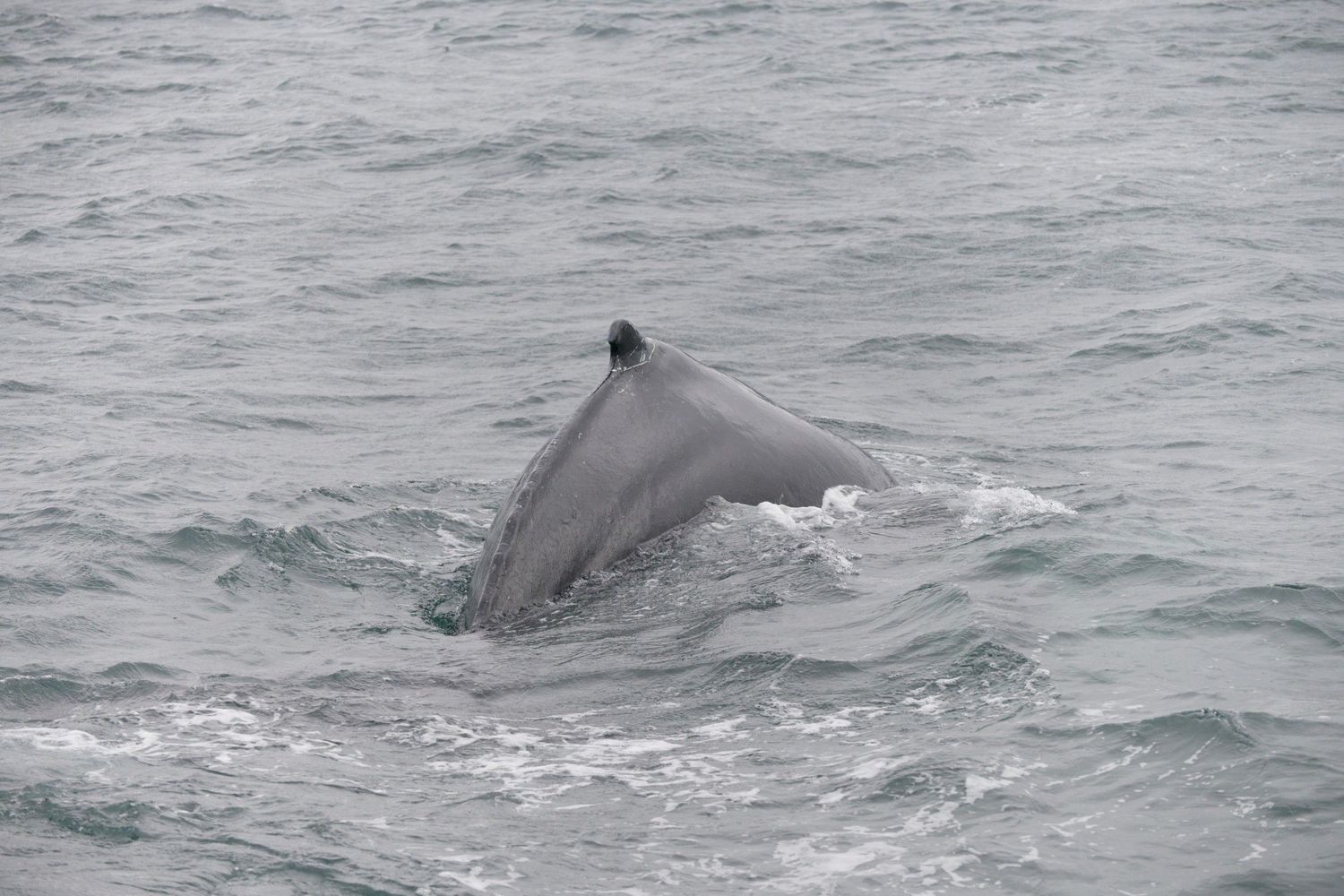
As we departed from the small village, we encountered a whale — possibly sleeping or napping — quietly venturing next to our sailboat. It was wonderful to see a whale trusting us enough to come this close. Yet, it also explains why many cetaceans get hit by boats when they are in that low-awareness state of consciousness.
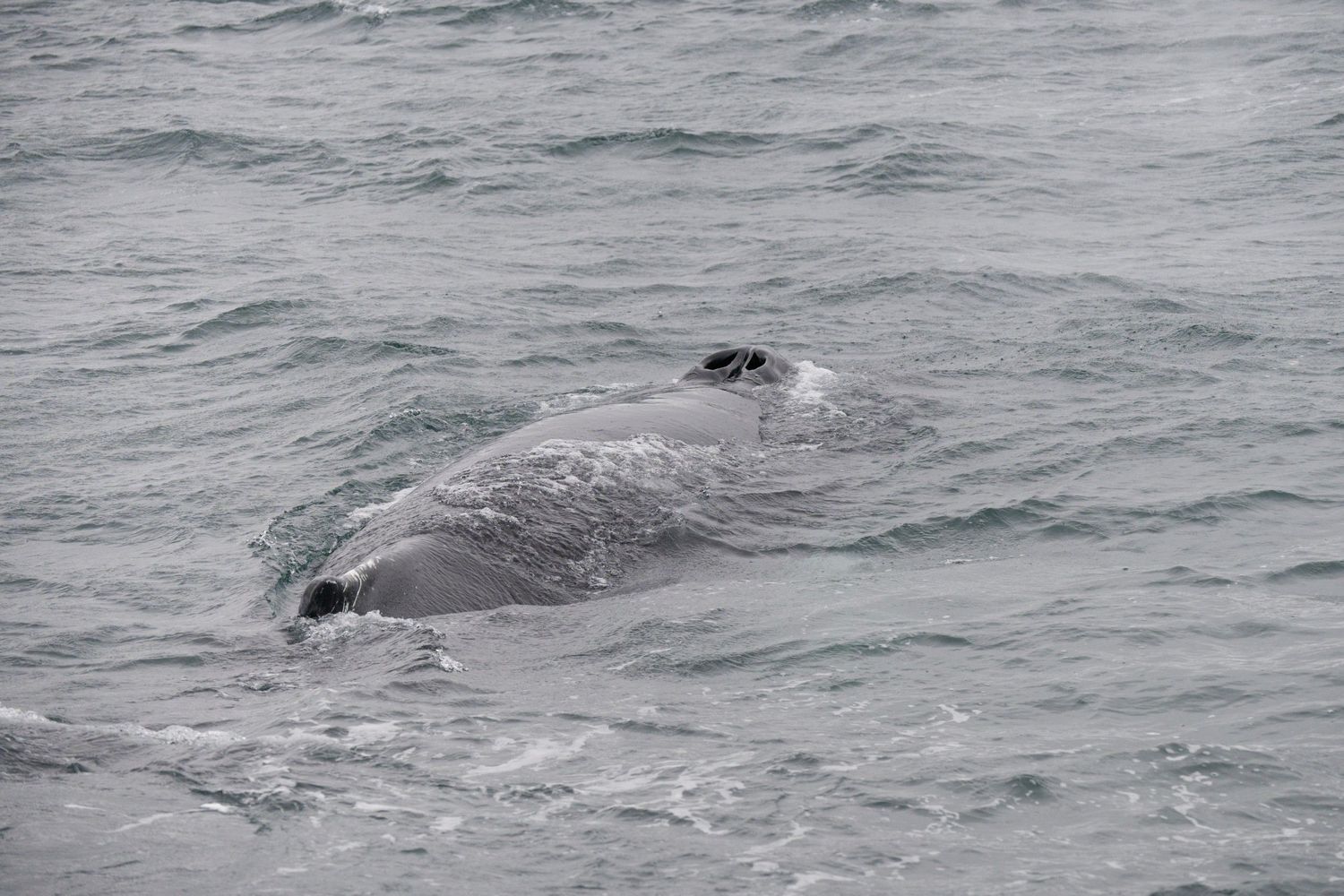
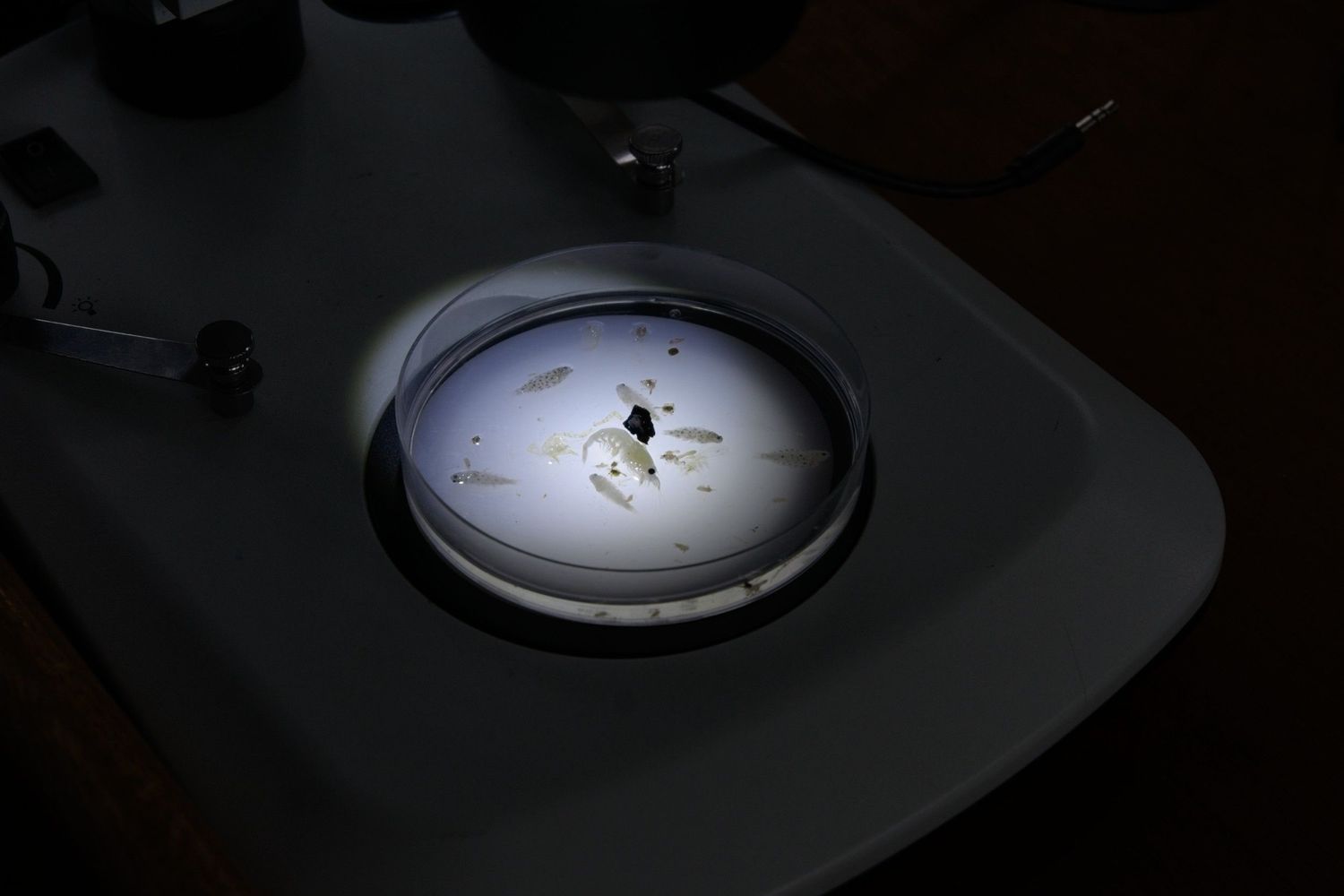
Following this encounter, we surveyed the surface again with our manta trawl. This time, we found one very small light blue microplastic, likely from a fishing net. It's understandable since we were moving south closer to Akureyri. Also, this fjord is much more populated than Skjálfandi Bay where for the most part is wild and untouched.
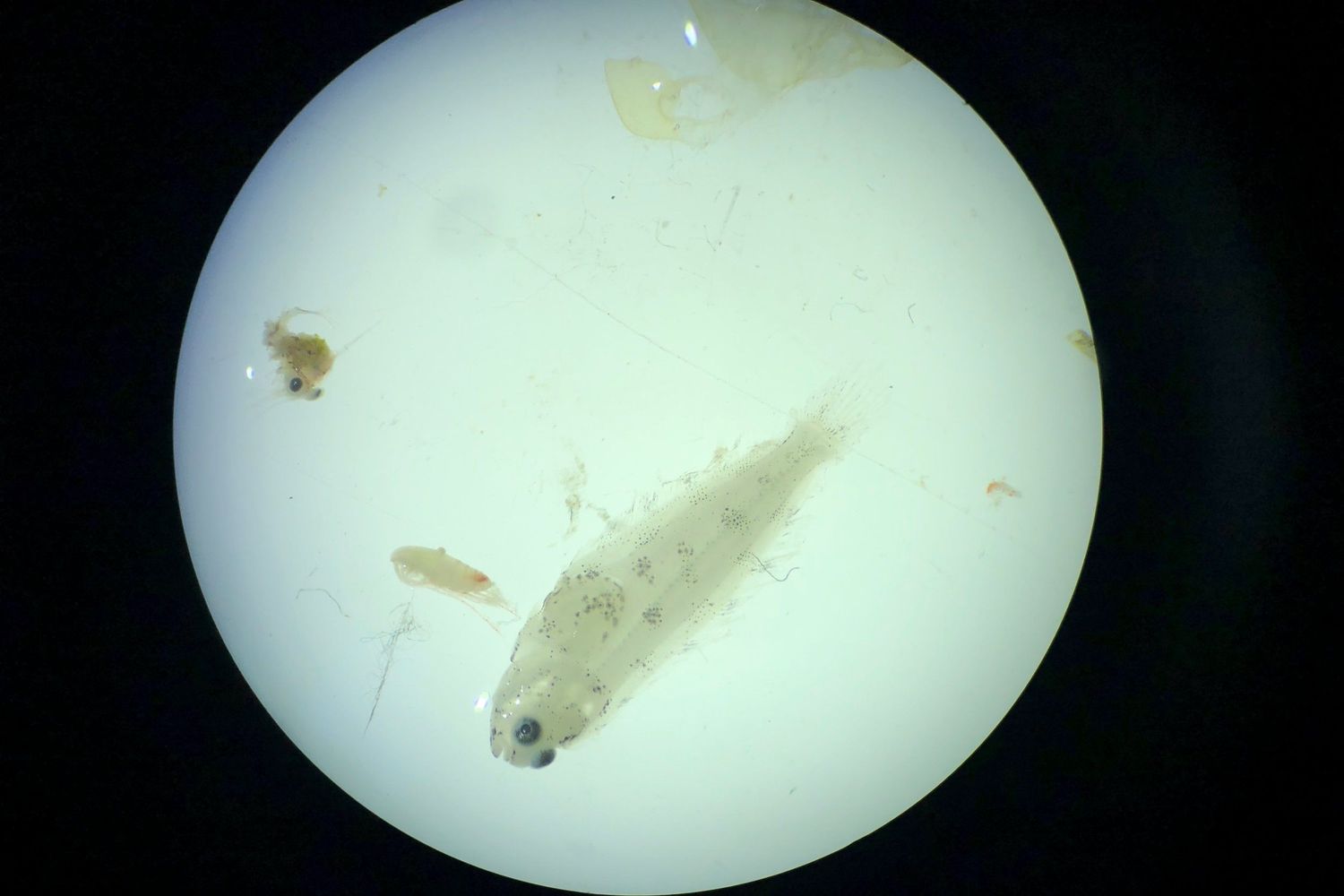
Among the krills and other zooplanktons (copepods), we also found some baby flatfish. It's an incredible specimen because these larvae are born with two eyes like many fishes and are standing upright, eating plankton and algae. But as they grow, one eye migrates across their head and over time, they shift sideways and settle on the seafloor, perfectly adapted for life camouflaged on the ocean floor.
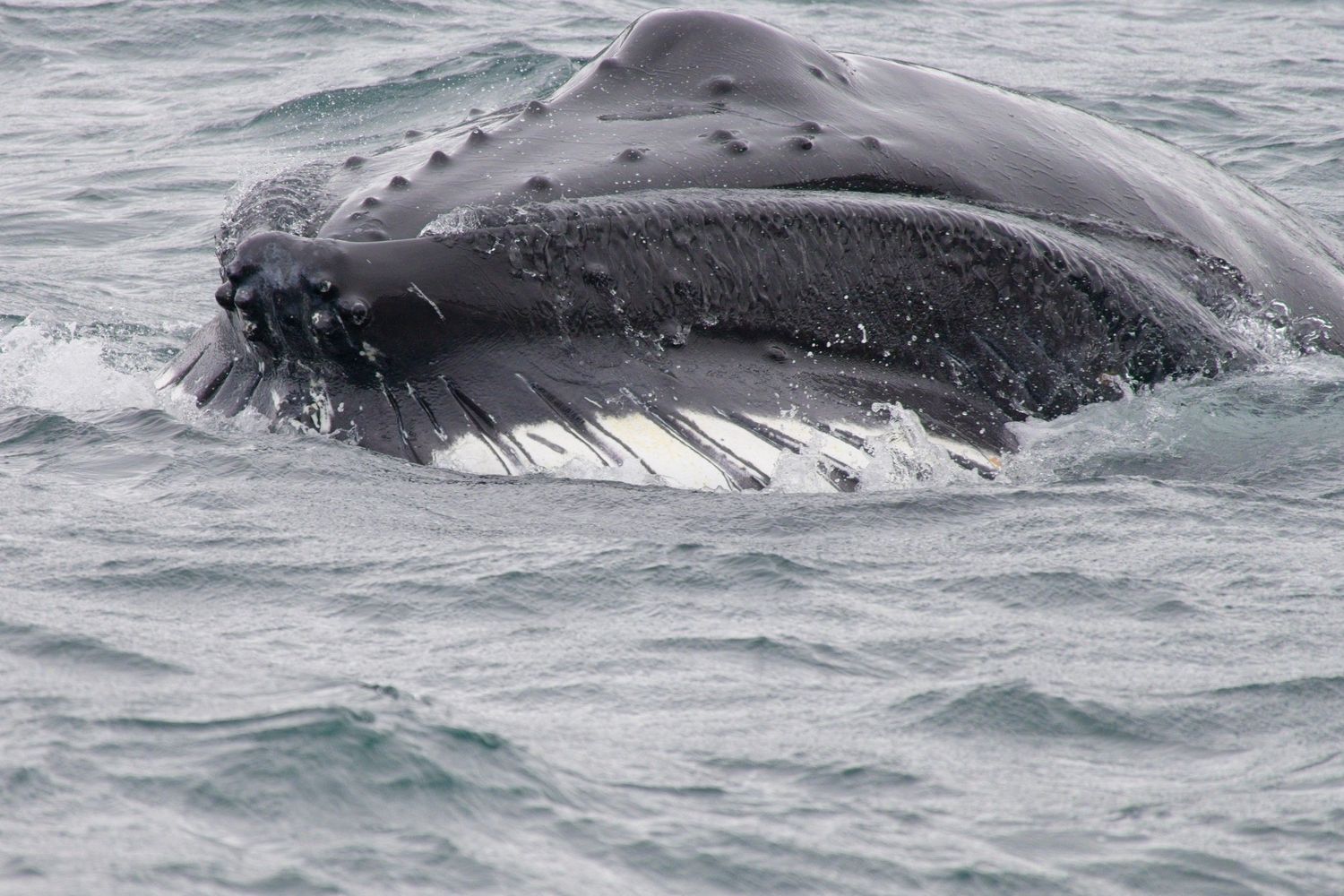
As we continued our adventure south, we encountered two other whales, and one swam so close that we could see its mouth breaching the surface. I’d never been this close to such a magnificent creature. It's so large, but also so peaceful.
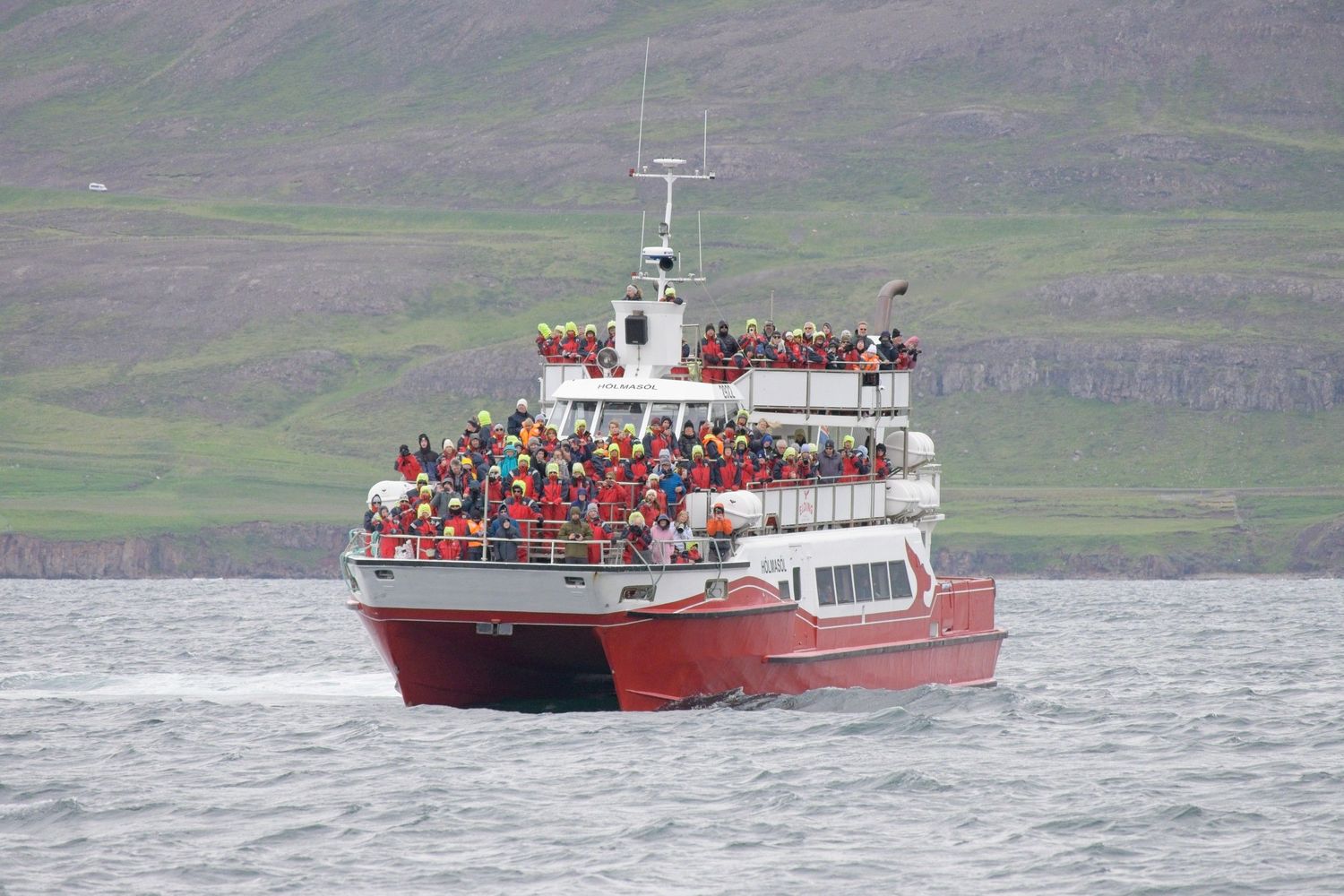
At the same moment, a whale-watching boat also looking at the whale. I couldn't believe how crowded this vessel was. Seeing this contrast between our small and quiet sailboat, where only ten of us were on board, was quite amusing, but I also felt the pressure it put on the wildlife here. It doesn't feel like a genuine experience to understand the cetaceans and the sea, but more like a checkmark on a to-do-list in Iceland. I felt very privileged to be so connected to the ocean and the giants living within.
When we arrived in Akureyri, we had some very interesting presentation aboard Tilvera. Charla demonstrated how she tags whales using a long, 8-meter carbon fiber pole. The suction-cup tag stays attached for about 12 hours, collecting data on breathing patterns, lunge feeding, dive depth, and much more. She also shared how difficult it is to recover a tag once it detaches from the whale. She has to use VHF signal from an antenna with a 5-kilometer range. One time, it took her almost a full day to find a tag floating in the bay.
After, we had a second presentation by Takashi, the researcher behind the tags used by the University of Iceland in Húsavík. Visiting as a guest from Japan, he came to observe Ocean Missions' work and share his own experience. He showed us a fascinating behavior of whales in Thailand. In shallow water close to the shore, they are using a unique strategy consisting of being in a vertical positon with their mouths open, allowing fish to leap in as the whales disturb the water’s surface. It's called Tread-water feeding or trap feeding and is observed in certain whale population around the world. It was very mesmerizing to see the footage of this kind of feeding technique.
With the day behind us, we made ourselves comfortable in the boat, and we watched Ocean narrated by David Attenborough. It was such an emotional documentary. One shocking moment still remains in my mind about the destructive fishing happening across the world and how easy it is to destroy the habitat of multiple species.
We also saw how international companies are now starting to fish Krills in Antarctica, just to feed our pets. I felt so sad at that moment. So much destruction and so little consideration for the nature who have been there for centuries. Only 1% of Icelandic water is protected and only 3% of the ocean worldwide.
However, we did see how resilient the ocean is if we let it be in peace. Many destroyed areas are now full of living creatures and corals. But it needs to start by global governments to acknowledge the importance of our ocean and its biodiversity in our life - from oxygen production to temperature regulation, we depend deeply on our ocean to survive. It's hard to imagine how our leaders will achieve the goal to protect 30% of the ocean by 2030, in 5 years. At the moment of writing this, we only achieved to protect 3% of our oceans.
Watching the film sparked some very deep and interesting discussions among us, like what we can do on our own scale. In many ways, it summed up our journey wonderfully within the Hope Spot. A week full of learning, emotions and becoming closer to nature than we have ever been.
Closing Thought
I decided to join this expedition in the Hope Spot because I felt lost. My job wasn’t something I was excited to wake up for in the morning. It had become heavy on me.
And yet, deep down, I've always had a certain fascination for everything to do with wildlife and nature. And the ocean especially, which 80% remain unexplored. I live very far from the coast, but being close to the sea has always been an important aspect of my life, from organizing a trip or just relaxing by the sound of the gentle waves. So, I wanted to reconnect with what I felt was something that had been hiding inside me for a long time: passion and happiness.
Besides that, I follow many non-profit organizations online, but Ocean Missions is the one I always return to. I'm not sure why, but there is something with these people that just radiate freedom and purpose.
I think participating to this expedition has been the greatest decision I took in the recent year. I wanted to find life, as it should be, again. I didn't really have expectation, other than I wanted to escape home in a way but also meet like-minded people who really love nature and who want to learn more about the ocean, the cetaceans and Ocean Missions as a whole.
This expedition exceeded everything I was looking for.
I loved learning about the science, picking up plastic waste on the beaches (I could have done this all day long), collecting planktons and looking in the microscope or watching the giant whales in a stunning area, between the mountains. Sailing on this kind of sailboat was also a first experience, and despite my seasickness at the beginning, I just felt in love with sailing, I think. There is something in this kind of boat, or this boat in particular, that is just magical. You are not just cruising on the sea. You are a part of it.
I think what I loved the most are the people I met. We were like a small family, everyone taking care of each other, laughing, having a great time doing all kind of activities. It was like a home away from home in some ways. But nothing come close to the most passionate people on Earth. Belén and her team at Ocean Missions are doing an incredible job to preserve biodiversity and I really enjoyed my stay with them.
The journey was very inspiring, and there is something that woken up inside of me. It was as if I found an answer, a sense of where I belong. I wasn't sure what was my direction in life, what I wanted to do. But it confirmed what I knew deep down, that being one with nature is very important for me and that I want to have a job that would allow me to be as close as possible to what I lived in this expedition.
Writing these articles about my expedition and capturing these beautiful animals is one first step into my goal of communicating for nature, science and wildlife conservation. What's next remain unknown, but what I know is that it's the end of a chapter of my life, and a new beginning.
Maybe a new expedition next year?
Sincerely,
Nicolas
Bonus Photography