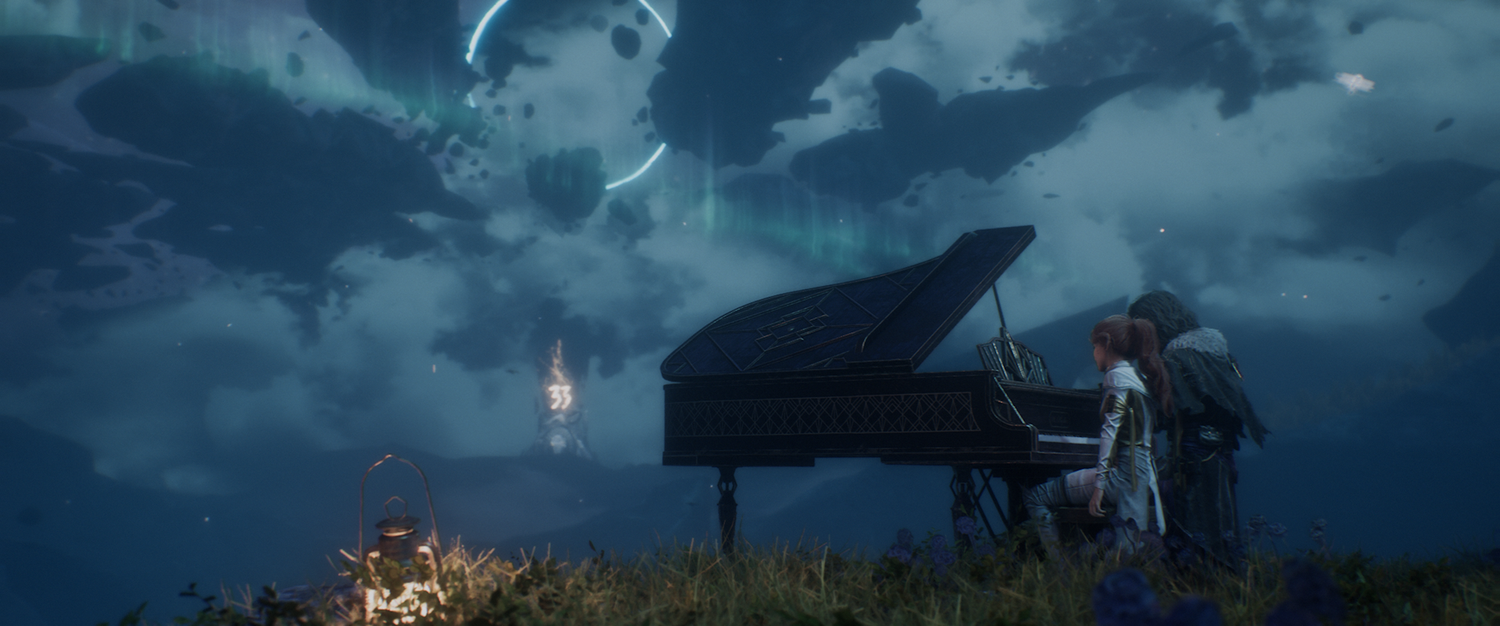
I don’t usually write about my personal hobbies — the books I read, the activities I try, or the video games I play. My blog has always leaned more toward wildlife, photography, conservation, and sometimes reflections on life. But sometimes, a story from an unexpected place reaches you so deeply that it refuses to let go.
Expedition 33 is one of those rare games that burrowed into my heart. It wasn’t just the music, the characters, or the art — it was the way it told profoundly human stories, wrestling with grief, love, and impossible choices. Every path forward felt like a wound, but also a form of healing.
At its heart, Expedition 33 is about a group of volunteers seeking to destroy the Paintress — the one who paints numbers each year, on a giant monolith, erasing everyone of that age. In a fractured world haunted by loss, their mission is to break this cycle and bring light back to Lumière, but the path is anything but easy. It isn’t just the story of one character, but of many — each wrestling with grief, identity, and the bonds that sustain them. The endings matter less as outcomes and more as reflections of what endures within: how we survive, how we love, and how we find the strength to continue when the world cannot give us what we seek. What struck me most is how true it all felt, even to someone like me who hasn’t faced grief firsthand. I found myself attached to the characters. Their pain became my own, their choices lingered like echoes.
*Disclaimer: Spoilers ahead.
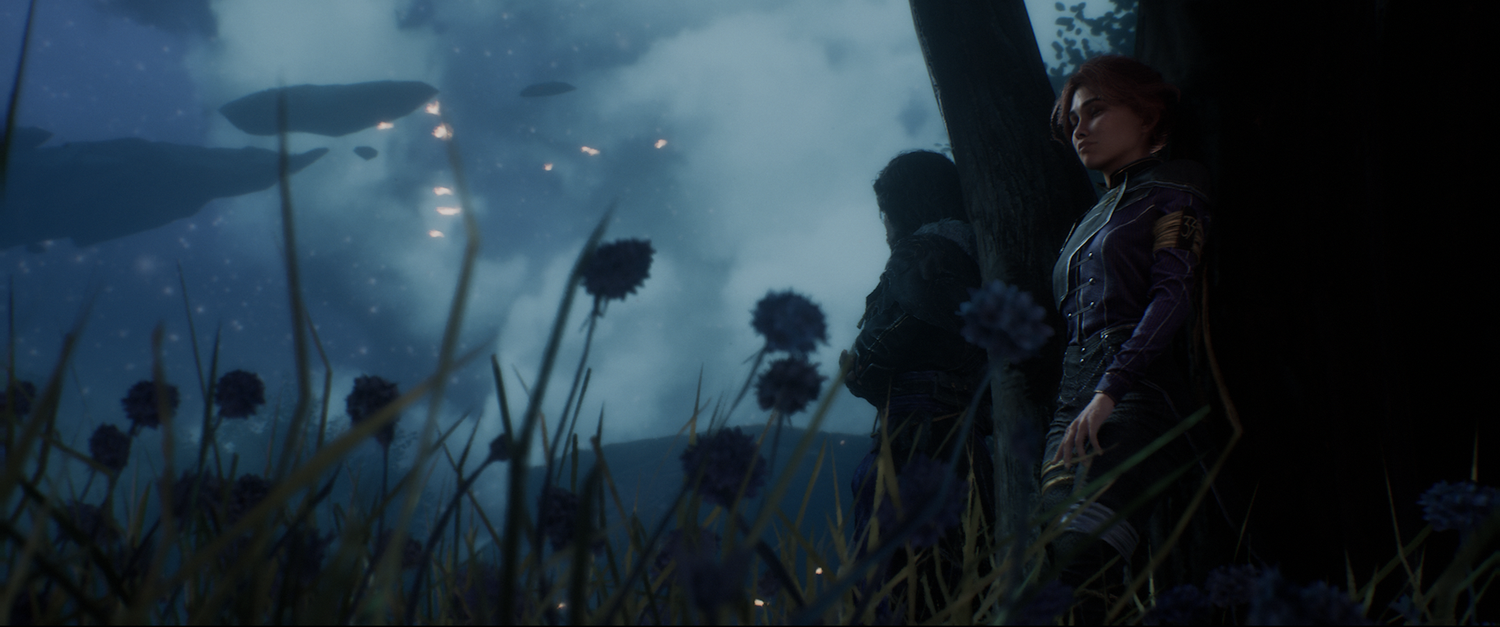
An Emotional Journey
Expedition 33 is about how life keeps forcing cruel choices — a meditation on love, grief, and the ways life asks us to carry both. Love is rarely simple: it is fragile, flawed, and intertwined with loss, yet it persists through devotion, care, and sacrifice. The game reflects the complexity of human relationships and the weight of our choices, reminding us that life itself rarely offers perfect solutions.
In the game, we encounter gentle moments of kindness, the loss of people we learned to love deeply, and the joy of lighthearted encounters. I found myself experiencing the full spectrum of emotions — something rarely done this well in a video game, or in any medium. And Sciel reminds us that emotions are powerful, and we must learn to guide them:
“See things as they are, not how you think they are.”
“Emotions can mess with your perception.”
“Emotions are powerful. You have to make sure they work with you, not against you.”
“Grief often blinds us, and we make choices we can never take back.”
The game shows us that life is made of many layers — love and pain, hope and despair, joy and regret. We grieve for what is lost, we build and protect what is precious, and we dream of what might have been. Alicia’s journey mirrors this: to love, to paint, and to dream. To love those around us and honor what we’ve lost; to paint the life we choose, shaped by our choices and values; and to dream, imagining the lives and possibilities that stretch beyond the boundaries of our reality.
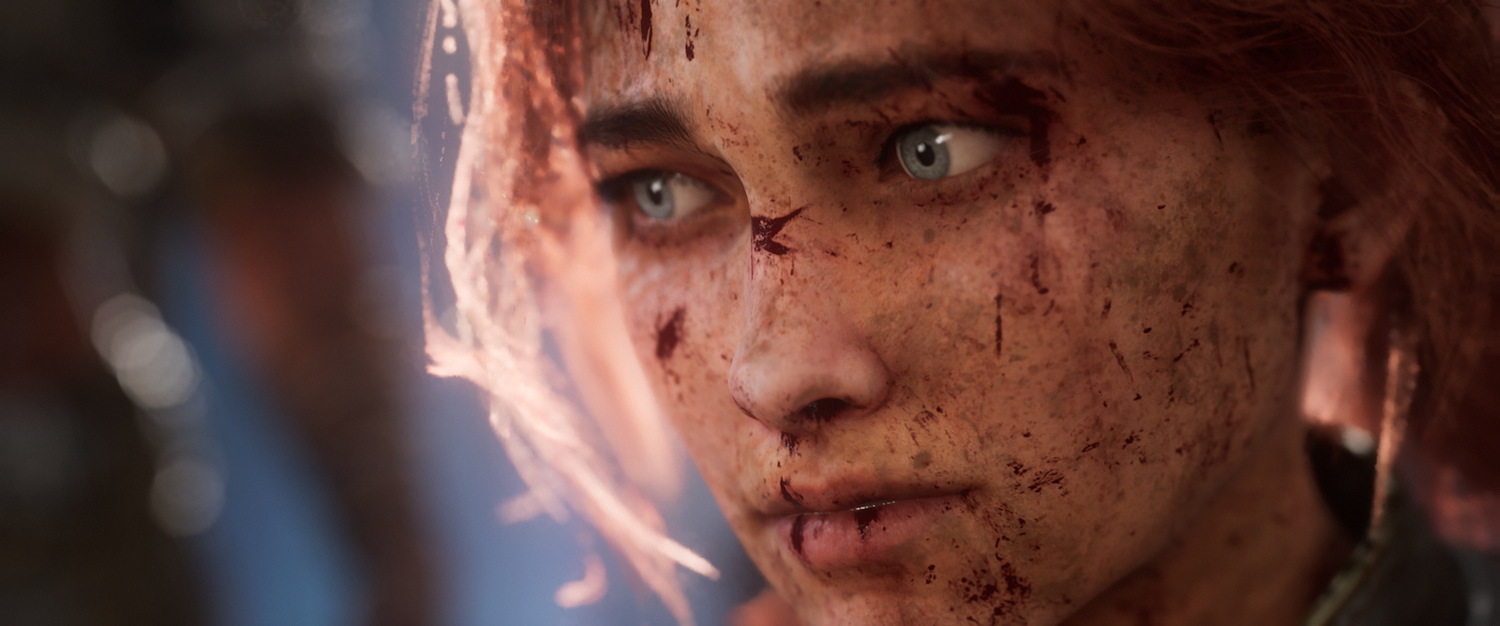
At the end, we are forced to make an impossible choice. Neither is “good” or “bad” — it is about how we navigate love and loss through our own perceptions and emotions. It is all about the clair and obscur — the light and shadow of the paths we take. There is no perfect reconciliation, no clear road to healing, only imperfect choices and the pain of love that can never be fully mended.
The game’s moments of tenderness are unforgettable. The birth scene, the letters, the small acts of care — they all remind us that even when the world is unforgiving, connections endure. This passage in particular touched me deeply, because it can also be transposed into my own life, a reminder that life is difficult but we are never truly alone:
You will never know us... but I want you to know that you are loved.
I want you to know... you're not alone.
You will always be the beautiful child I held in my arms.
You will smile the brightest smile.
You will cry iridescent tears.
You will know love and you will know pain.
You will know loss all too well.
Because we live in an unforgiving world.
But you are strong and you will survive.
You will struggle... And you will learn.
You'll find people to call your own.
And you'll shine as their guiding light.
For you will change the world and the people around you.
You'll forever be our princess.
It is this balance — of loving, building, and dreaming — that gives Expedition 33 its emotional power. The game doesn’t tell us how to live, but it shows us what life truly feels like: complicated, beautiful, painful, and endlessly full of meaning.
Truth, Lies, and the Heart of Love
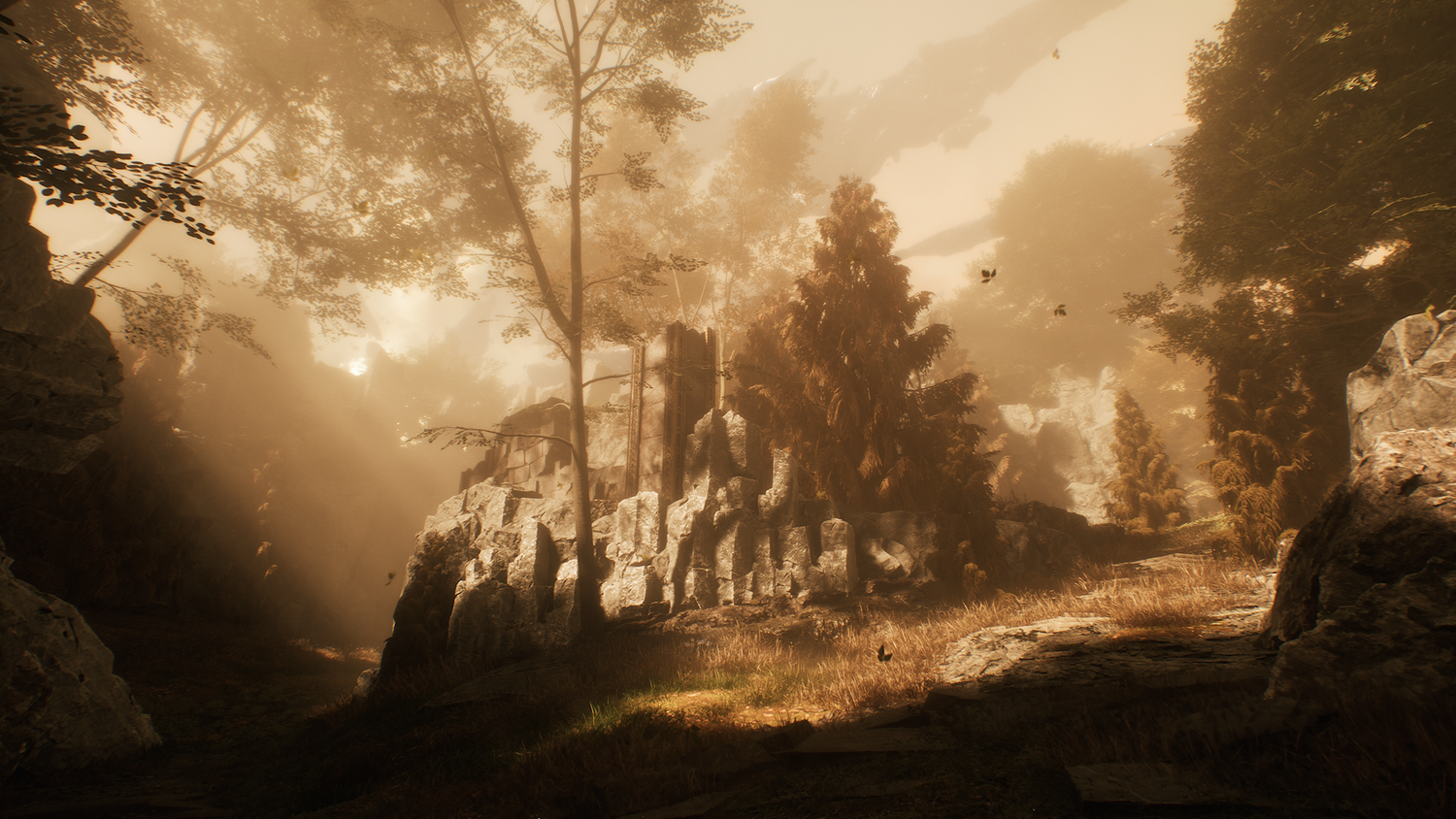
In Expedition 33, the line between truth and lie is never clear. Every choice, every word, every “deception” comes from a place of love, fear, and grief. What one character calls a lie may be another’s truth — and sometimes, both are true at the same time.
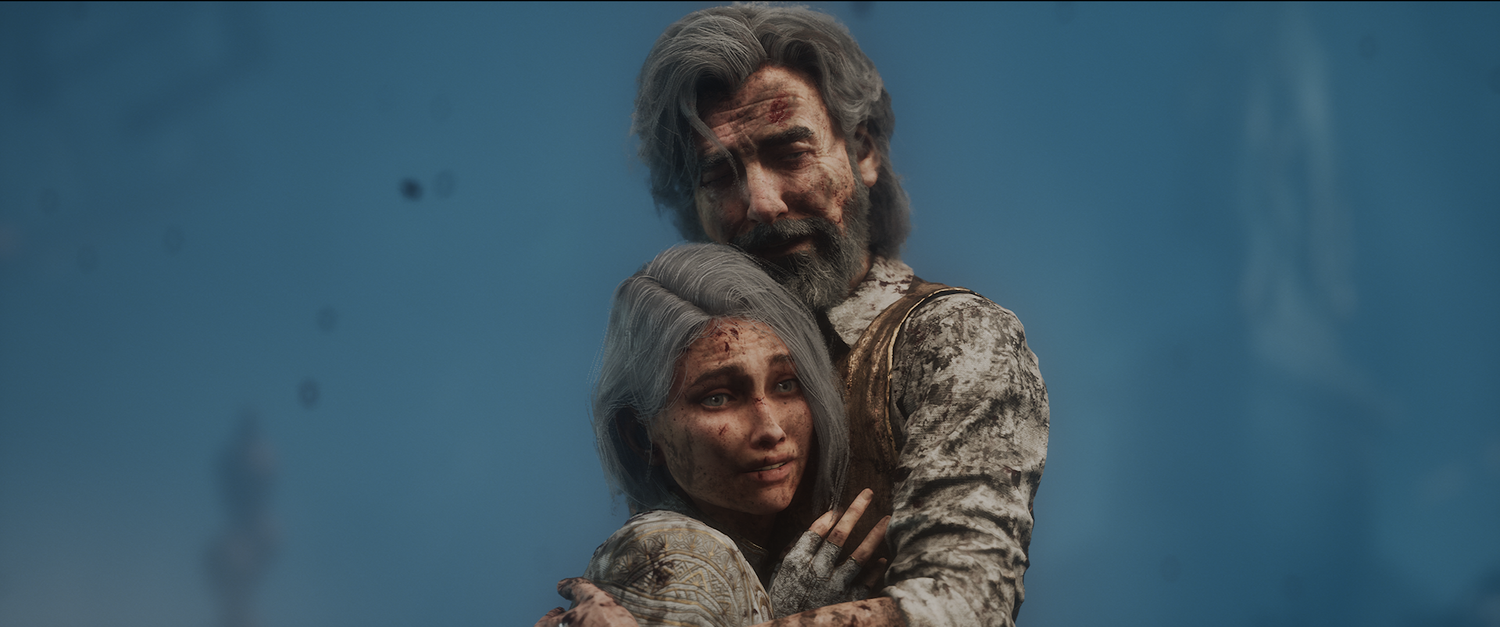
Aline’s painted world is a lie, a fragile illusion built to hold her fractured family together. Yet in her heart, it is the purest truth she can live with. Renoir’s insistence on destroying the canvas feels cruel, but it comes from a truth he cannot escape — protecting his family from a life trapped in illusion. Verso’s lies to Maelle are acts of protection, He wants her to believe she can be free, that she doesn’t need to drown in the same grief that consumed him. His lies are cruel, but they’re also the only truth he has left. And Maelle’s own lie to Renoir, pleading to stay just a little longer, is false to the world, but true to her heart: she is not ready to let go, burdened by the guilt she must endure.
In the Descendres family, through these lies, we see the many faces of grief — denial, anger, bargaining, depression, and acceptance — each a way of surviving in a world shaped by loss. They remind us that love, hope, and care often coexist with sorrow, and that navigating these emotions is never straightforward. There is no single right path, no purely “good” choice — only the ways we try to preserve what we love, even when it breaks us, or others, in the process.
The Music That Painted the World
One of the game’s greatest achievements is its soundtrack. With more than 150 tracks, it feels like a living, breathing score that evolves with the story. There’s the aching beauty of Une vie à t’aimer, which carries the weight of the Descendre family’s love and sorrow. The uplifting jazz of Monoco brings bursts of joy and lightness. And scattered throughout are epic themes that swell with emotion, amplifying both the intimacy of quiet moments and the grandeur of the world. It’s an OST I’ll keep listening to long after the credits rolled.
Quotes That Stayed With Me
The writing in this game is extraordinary. There were some wonderful quotes that I really loved for their significance and how deep they are.
- "Stubborn people change the world" - Sophie
- "I'm enjoying my uselessness of today, and readying my usefulness for tomorrow." - Gustave
- "Life keeps forcing cruel choices." - Verso & Renoir
- "My beautiful sister doesn’t need this ugly mask" - Verso
- "I'm always missing something that everyone else just gets" - Maelle
- "We could never tell if you were my brother or father. but to me, you were both" - Maelle
- "Losing a rock is better than never having a rock!" - Esquie
- "Men trip not on mountains; They stumble upon stones." - Esquie
- "Hate me all you like, as long as you're alive to do it!" - Renoir
- "After the fire — You wanted me to find — new joy in life. And I tried. But I couldn't. Verso died because of me. How do I get from that to joy?" - Alicia
- "We all wish for our families to thrive." - Painted Alicia
A Game Like No Other
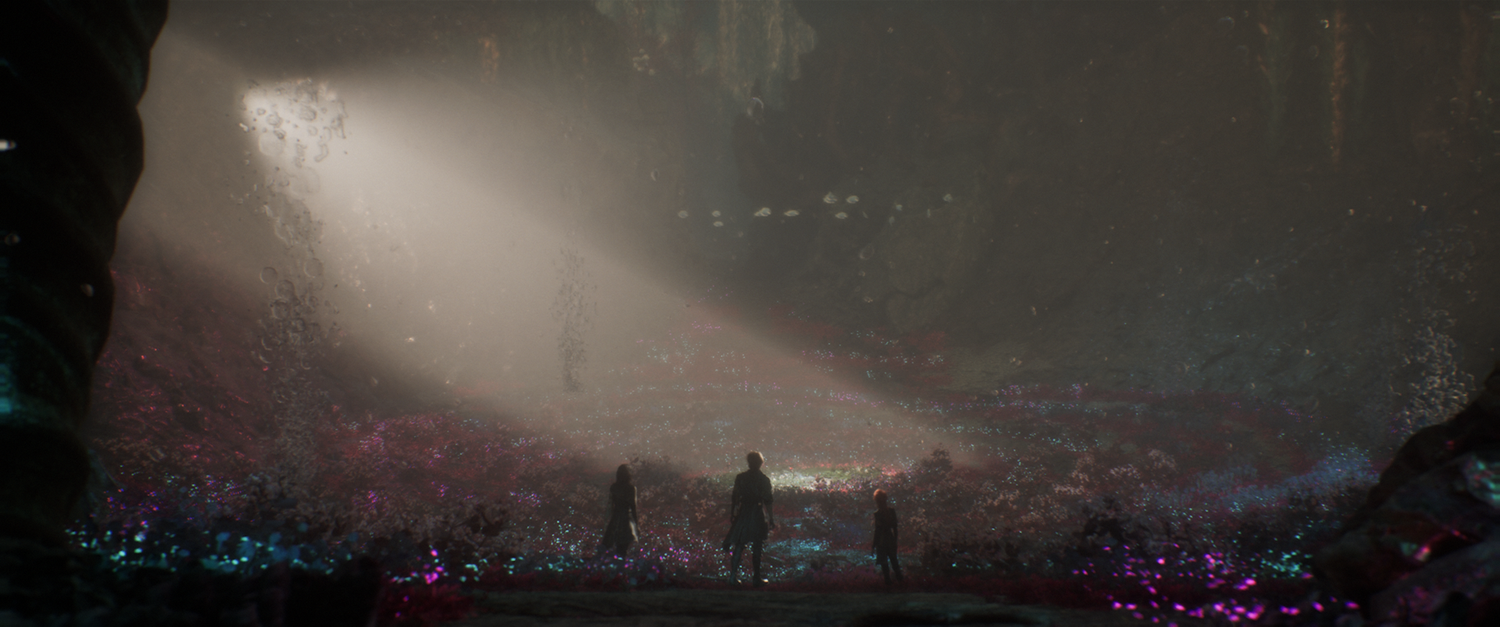
In the end, Expedition 33 reminded me why stories matter: because they linger long after the final scene fades. It’s not about winning battles or completing objectives — it’s about the emotions that rise and stay with you: grief, hope, sacrifice, belonging. It’s about recognizing yourself in Maelle, finding resilience in Sciel, comfort in Esquie, and witnessing love in all its imperfect, fragile forms.
The game is layered, like an onion. The more you play — or replay — the more you uncover hidden details, connections, and meanings. Dialogue, environments, and even small character moments reveal new dimensions each time. Some see it as a story of grief and family; others as a meditation on illusion and truth, or even as a reflection on the artist and their work — how creation can consume, possess, and imprison until it seems to take on a life of its own. For me, those layers became deeply personal: echoes of my own struggles, and reminders of the ways love and friendship shape us.
I saw myself in the characters. I understood their decisions — their desire to hold on, their fear of letting go. Like Maelle, I often feel like I'm “always missing something that everyone else just gets.” Trying to find my calling and belonging in the chaotic world we live in, and facing impossible choices, plagued by my own doubts. And like Clea I'm pouring myself into projects, chasing perfection, and sometimes forgetting to simply live.
Expedition 33 reaches us not just through story, but from what we feel with the characters, as we share their fears, their courage, and the bonds they forge. There is even a moment when we are told: “Must minds created by man be considered false?” In its reflection lies the heart of empathy — recognizing the life in creation, and the connections we form with what we love, whether painted, imagined, or lived.
Maybe that’s why Expedition 33 will stay with me. The game reminded me that life is not about flawless answers, but about the courage to keep going even when the future feels uncertain. In some ways, it becomes my own canvas — a space where I can live a life I don’t have in reality, experiencing grief, love, and hope.
Renoir once said: “Art can be a Window and art can be a Mirror. And great art. Great art is both.” Expedition 33 is exactly that: a window into a story that reflects our own beliefs and values, like a mirror. The narrative can be interpreted in many ways, and that is the beauty of the game. It sparks reflection, invites discussion. It's one game that will be remembered for years. It's art in its purest form.