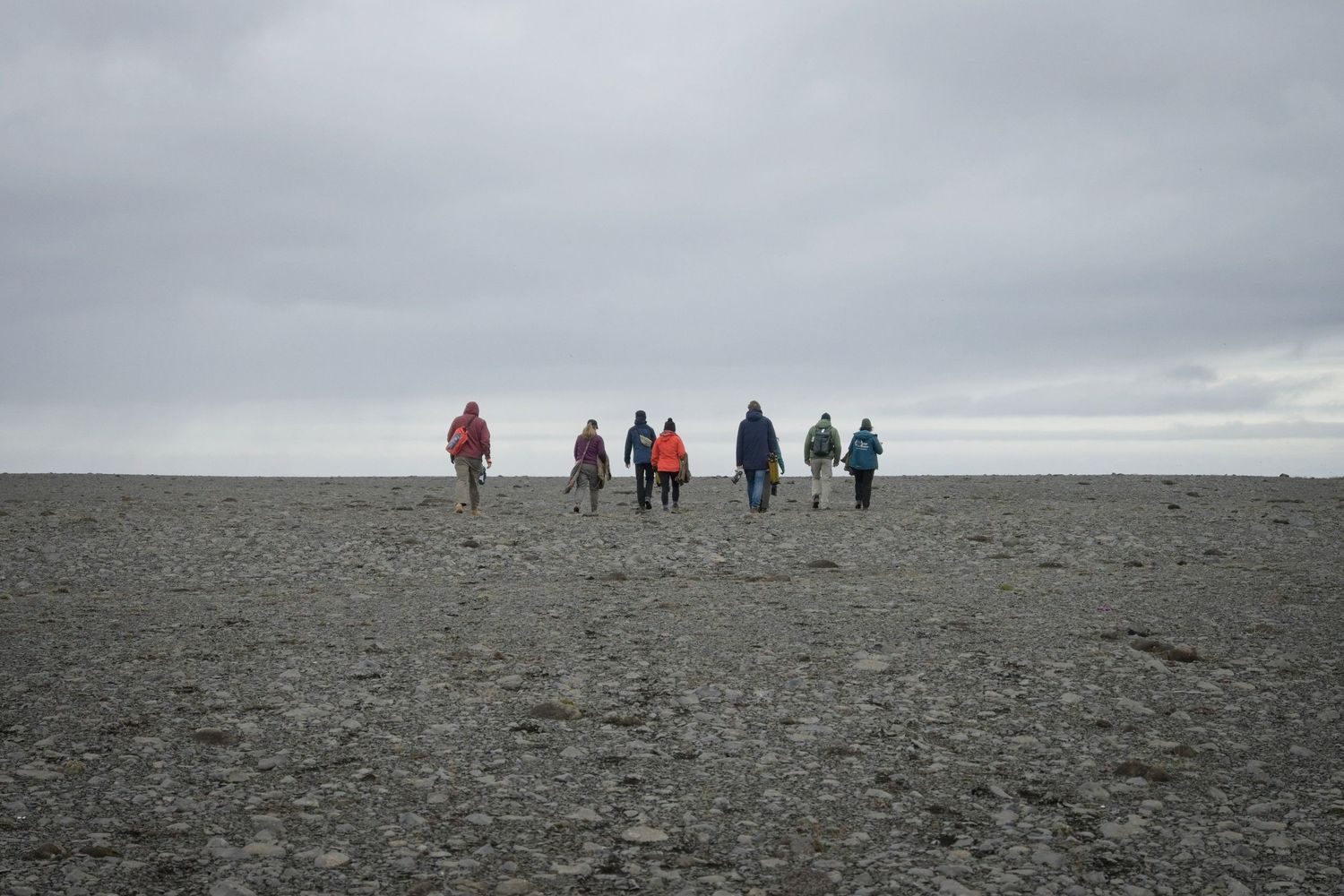
Climate change and environmental preservation are increasingly important topics in our society. With 28% of all species listed by the International Union for Conservation of Nature (IUCN) threatened with extinction, it is imperative that we continue our efforts, both individually and at the governmental level. Yet, many conservation organizations struggle to fund their actions, limiting their ability to effectively protect ecosystems. Faced with this challenge, responsible tourism and citizen science emerge as promising solutions. By adopting environmentally conscious travel practices and involving citizens in the collection of scientific data, it becomes possible not only to raise public awareness of the environmental emergency but also to generate resources to support conservation efforts.
In the following text, we will explore how these approaches can benefit biodiversity preservation.
Responsible Tourism
Responsible tourism stands as an alternative to traditional tourism practices, which often contribute to ecosystem degradation. It is based on core principles such as reducing ecological footprints, respecting local cultures, and actively participating in environmental protection. Unlike mass tourism — which can destroy natural habitats and overexploit resources — responsible tourism encourages a more mindful and engaged approach, aiming to minimize its impact while bringing tangible benefits to local communities.
Despite numerous conservation initiatives, NGOs often face persistent financial and human resource challenges. Traditional sources such as government grants and private donations are frequently irregular and insufficient to sustain their long-term efforts. This inconsistency limits the implementation of projects that depend on them, reducing their capacity to plan durable actions and ensure effective ecosystem protection. In this context, diversifying funding sources becomes essential to guarantee the longevity of conservation initiatives.
Responsible tourism offers a relevant solution to ensure a steady flow of funding for preservation projects. By actively involving travelers in environmental protection, it strengthens awareness and creates a deeper connection between visitors and conservation experts. Between someone who simply “likes” a post on social media and another who experiences an immersive and educational activity they can later share with others, the latter develops a far more authentic and lasting bond with conservation.
My Experiences
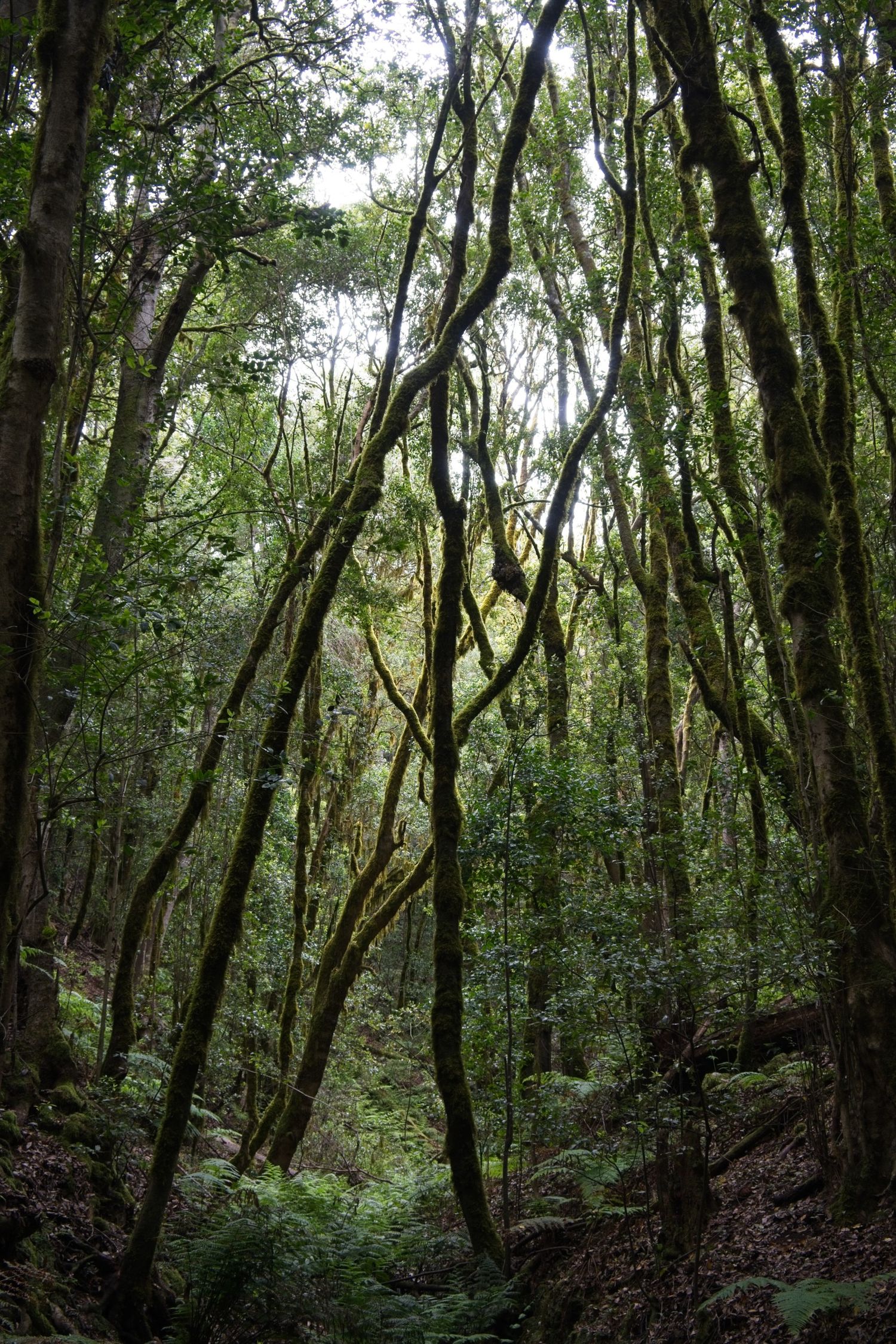
During my past travels, I had the chance to take part in a few responsible tourism activities. I’ve always tried to travel off the beaten path and seek experiences that go beyond a quick glimpse of a place — those that offer deep immersion and a true understanding of the environment and cultures I discover. In my last posts, I've written about my experience with Ocean Missions in Iceland, but this time I want to share two more experiences that made me realize just how important sustainable tourism is for both ecosystem preservation and traveler education, so that visitors leave behind meaningful memories rather than a negative footprint.
Encountering Cetaceans in the Canary Islands
In the Canary Islands, Biosean organizes short excursions to observe cetaceans off the coast of Tenerife. Unlike traditional tours that take dozens of people out on large boats in search of marine mammals, Biosean focuses on small groups of around ten people and emphasizes scientific research. While it is a tourist activity, every marine mammal observed is recorded and studied for research purposes. Moreover, an underwater hydrophone is available so participants can listen to the whales’ songs. The approach also prioritizes respect for marine life — maintaining a reasonable distance, avoiding pursuit when animals swim away, and allowing naturally curious individuals to approach on their own.
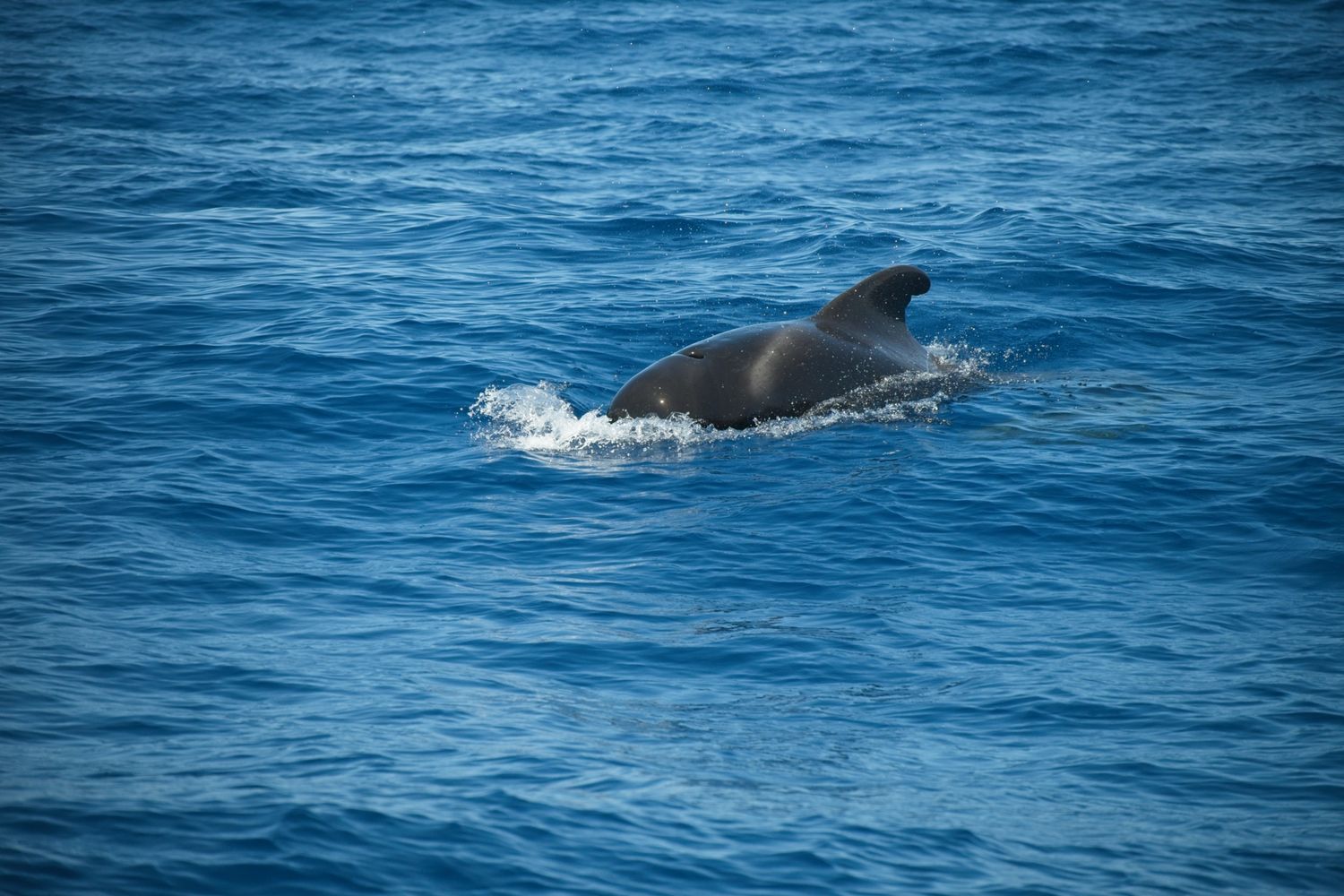
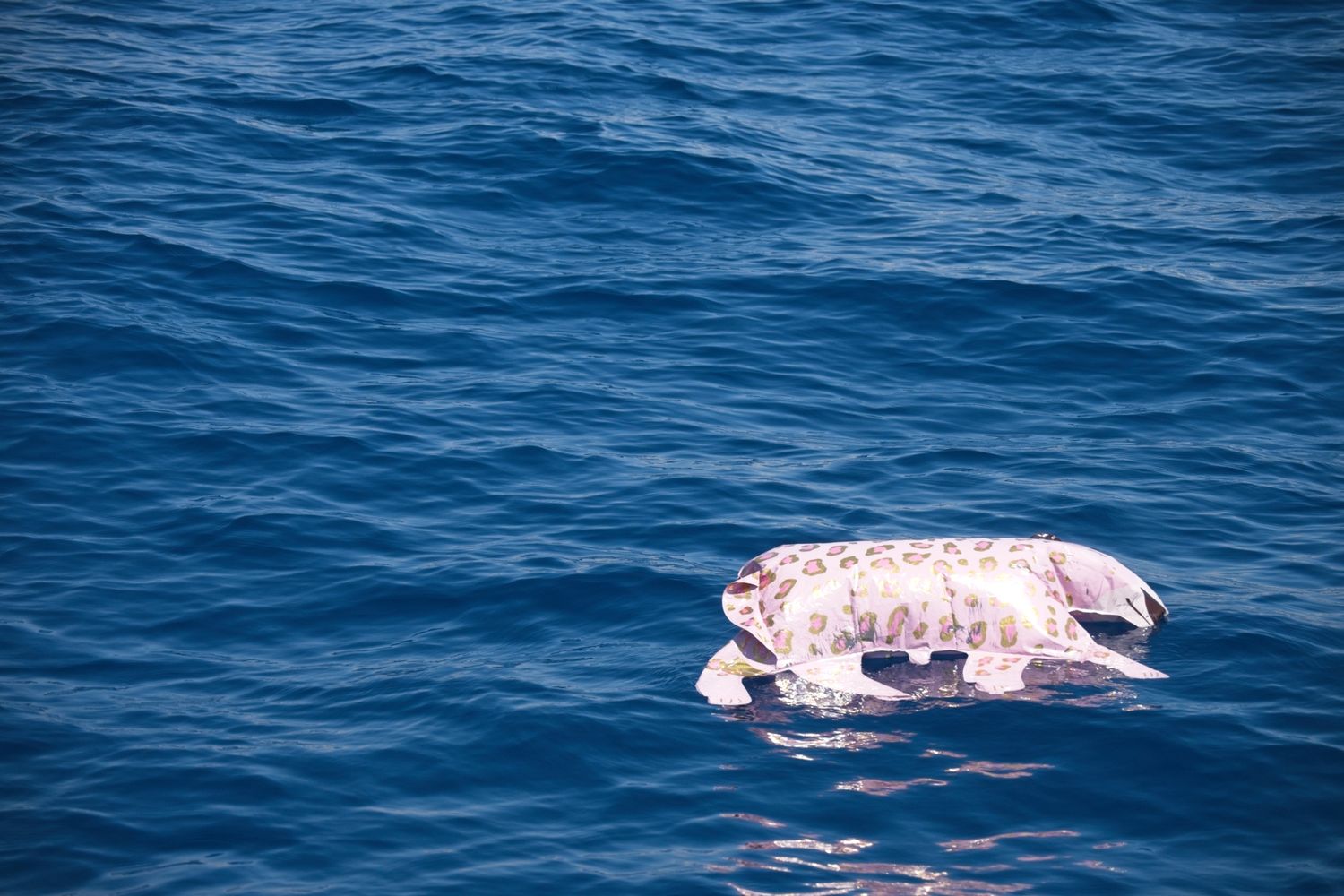
During my excursion, we didn’t have access to the hydrophone, but we were lucky enough to observe pilot whales swimming peacefully, bottlenose dolphins playing in our boat’s wake, and even a small green sea turtle. We also recovered a surprising piece of debris: a large inflatable pool float drifting in the ocean. I particularly appreciated the explanations of Misael, the marine biologist who founded this initiative, as he taught us about the marine mammals of the region and how sea turtles travel the world only to return and nest where they were born — often in places like Costa Rica.
Swimming with Sharks in Hawaii
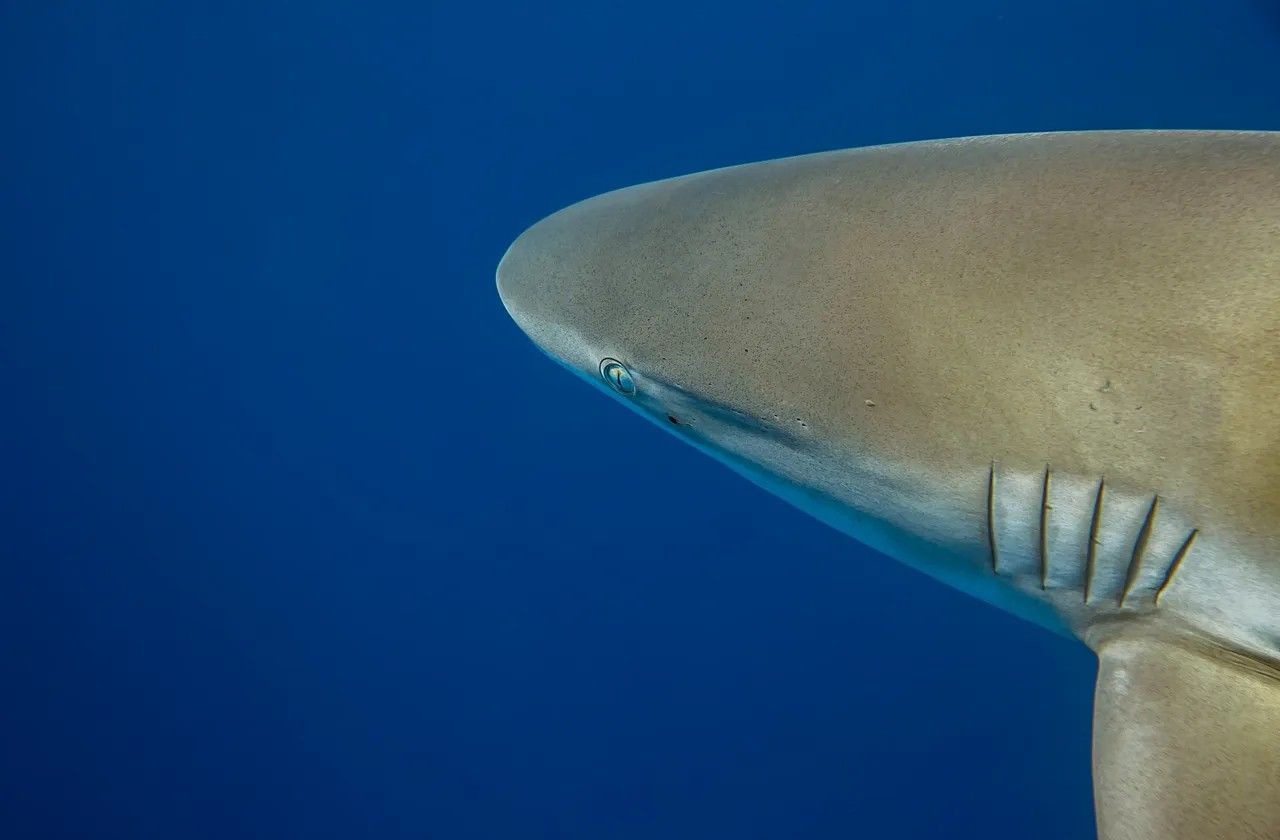
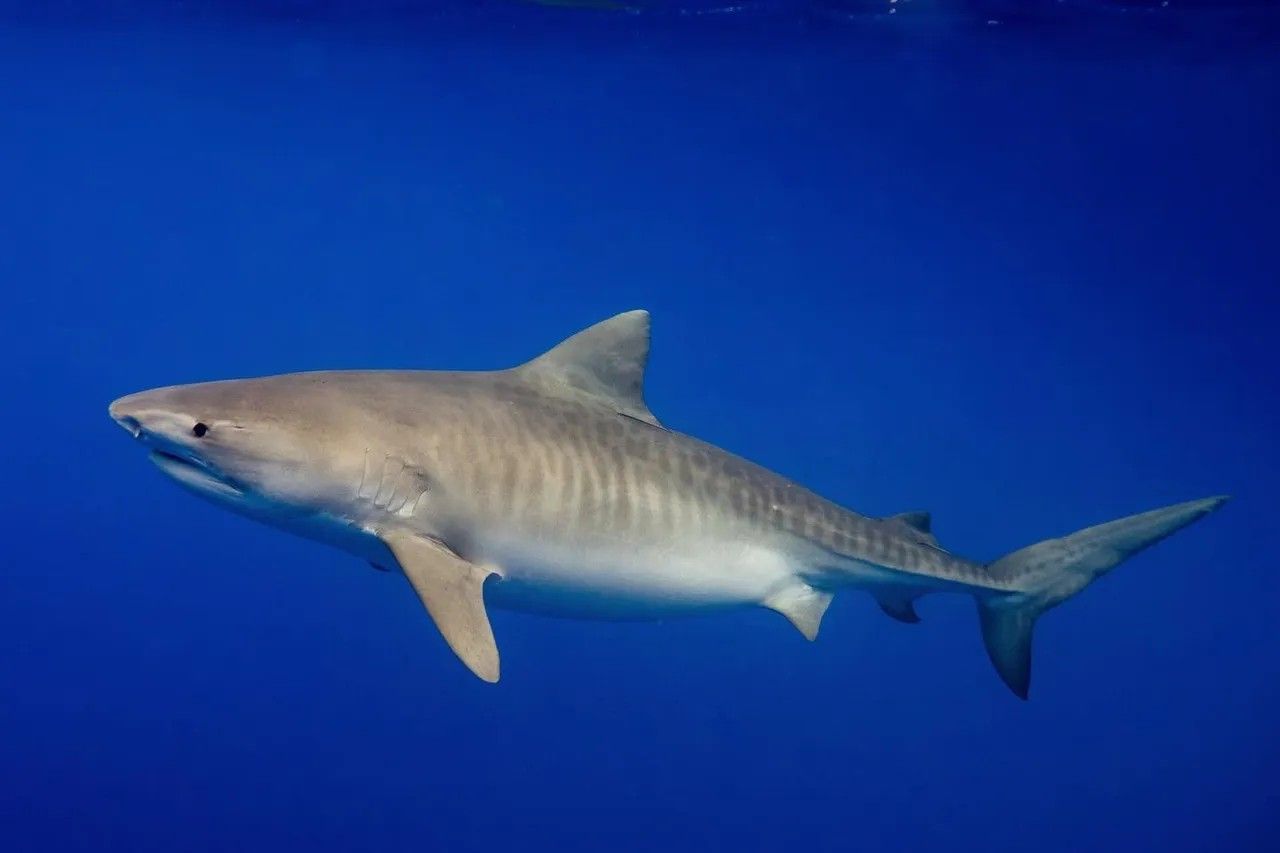
Although Hawaii is best known for its paradise beaches, I was able to experience something truly extraordinary there. Swimming with fearsome predators can seem intimidating — especially without a cage — but One Ocean Diving focuses on education rather than mere tourism. Marine biologist Ocean Ramsey is renowned for swimming closely with sharks, and the team that accompanies visitors is equally inspiring. The goal of these tours is not only to observe sharks but also to allow the organization to identify species and individuals while helping tourists like me better understand that sharks are not as dangerous as they are often perceived to be.
Studies show that about 100 million sharks are killed each year for their fins, and global shark populations have declined by nearly 70% in less than 50 years. It is therefore crucial to continue learning about and protecting them, as sharks play an essential role in marine ecosystems. They act as the oceans’ cleaners, consuming dead animal carcasses and maintaining ecological balance. By eliminating weak or sick individuals, they help prevent the spread of disease and support healthy marine populations. Their role as top predators also regulates the food chain, preventing overpopulation of certain species and preserving ocean biodiversity. Protecting them is therefore vital for the health of marine ecosystems.
When I got into the water, I had a strange feeling, because we grow up learning to fear sharks and other predators. Through documentaries, movies, and books, sharks are almost always portrayed as dangerous man-eaters. But we don’t learn to understand them — and that’s what I loved about this experience. The mix between fear and fascination. Hanging on the side of the boat, looking underwater, I caught a glimpse of a tiger shark gliding below. Unfortunately, I wasn’t totally ready for the rough water that day. Still, I would love to return — this time better prepared to snorkel comfortably in open water.
Photos by One Ocean Diving
Citizen Science
Tourism is not the only way we can help protect the environment. You don’t need to travel far from home to make a difference. Citizen science refers to situations where ordinary citizens contribute actively to scientific research—tracking native species (plants, animals, birds, etc.) and monitoring ecosystems. This helps fill data gaps that professional biologists and researchers cannot always cover due to funding shortages or shifting organizational priorities. Unlike volunteering, which requires structured coordination, citizen science can be done independently and whenever convenient. It often involves mobile applications or community events such as the Big Garden Birdwatch organized by the RSPB (Royal Society for the Protection of Birds) in the UK.
Several platforms enable public participation in data collection. Here are some worth exploring:
- iNaturalist – A serious platform allowing users to document biodiversity and contribute to scientific databases used by researchers and conservationists. Its sister app, Seek, is designed for personal, non-scientific use, helping users identify species via their phone camera while earning badges and completing nature challenges.
- eBird – A key platform for collecting ornithological data, helping both scientists and birdwatchers analyze migration trends and bird distributions. Conversely, Merlin, a related app, focuses more on personal use—helping people identify bird species through interactive tools without contributing directly to scientific databases.
- Cornell Lab NestWatch – A project collecting data on nesting birds to better understand their behaviors and habitats.
- Happywhale – A platform that tracks individual whales using photos contributed by observers, helping scientists monitor migrations and populations.
- Zooniverse – A large citizen science network enabling volunteers to contribute to research projects across disciplines—from astronomy to biology.
Looking Ahead
Looking to the future, it is crucial to strengthen the links between responsible tourism, citizen science, and conservation policy. By promoting sustainable practices, creating appropriate regulatory frameworks, and raising travelers’ awareness of their ecological impact, we can build a model where nature preservation becomes a priority integrated into our habits and economy. By combining citizen engagement with ecological innovation, we have the opportunity to shape a future where balance between human development and environmental protection can finally be achieved.